Drainage Considerations for Schools, Colleges and Universities
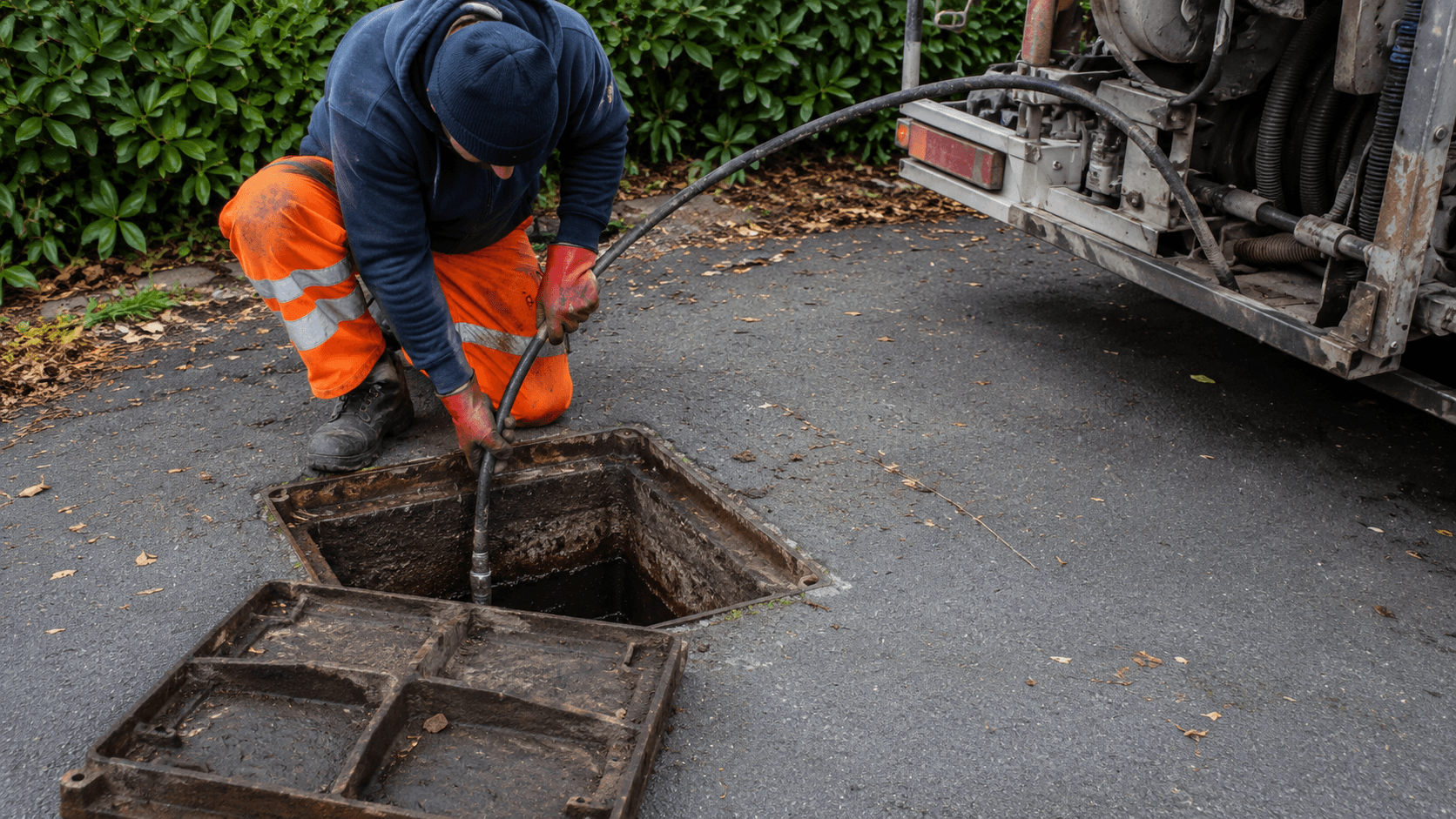
Drainage

Drainage

Table of Contents

No anchors found on page.

Why Drainage Matters in Education Settings

Drainage is easy to overlook until a blockage, leak or flooding issue disrupts the school day. For schools, colleges and universities, drainage systems are under constant pressure from toilets, kitchens, canteens, laboratories, external gullies, changing rooms and high footfall areas. A small drainage issue can quickly become a major operational problem, affecting hygiene, safety, access and the ability to keep buildings open. Barry Turner & Son Ltd supports education sites with practical property maintenance and facilities support, helping clients keep buildings safe, usable and prepared for daily demand.

What to Consider When You Increase Pressure on Drainage

If your site is adding new toilets, expanding a canteen, refurbishing changing rooms, increasing pupil numbers or changing the way a building is used, the existing drainage should be reviewed before work begins. More usage means more pressure on pipework, gullies, waste outlets and underground drainage. Without proper planning, improvements inside the building can expose weaknesses below ground. Before starting works, schools and colleges should check whether the current drainage system can cope with extra demand, whether there are known blockage points and whether surveys are needed before finalising the project. This is especially important during school refurbishment and education maintenance projects, where works often need to be completed during holidays or phased around term time.

Warning Signs to Look Out For

Early drainage warning signs should never be ignored. Slow draining sinks, unpleasant smells, gurgling toilets, water pooling around gullies, recurring blockages, damp patches, overflowing external drains and increased pest activity can all point to drainage issues. These problems may be caused by damaged pipework, poor falls, fat and food waste build up, tree root intrusion, collapsed drains or systems that are no longer suitable for the level of use. The Environment Agency provides guidance on pollution prevention and responsible waste management, while GOV.UK offers useful information for organisations managing waste and environmental risk. Education sites should treat drainage as part of wider planned maintenance, not just an emergency repair.

How to Receive a Drainage Quote

To receive an accurate drainage quote, provide as much information as possible at the enquiry stage. Useful details include the site location, the type of issue, how long it has been happening, which areas are affected, whether the problem is internal or external, and whether there are any photos, plans or previous drainage reports available. For larger sites, a survey may be needed to assess the cause and recommend the right solution. Barry Turner & Son Ltd can review the issue, discuss access requirements, consider safe working around pupils, staff or visitors and provide a clear plan for remedial works. You can also view our wider project portfolio to see the types of commercial and education environments we support.

Conclusion: Plan Drainage Before It Becomes a Disruption

Good drainage management helps schools, colleges and universities avoid disruption, protect hygiene standards and reduce the risk of emergency closures. If your site is being refurbished, expanded or experiencing recurring drainage problems, it is worth reviewing the system before demand increases further. Planning early helps identify issues, control costs and reduce downtime across busy education environments. For drainage support, maintenance advice or a site quote, speak to Barry Turner & Son Ltd through the contact page.

Drainage Considerations for Schools, Colleges and Universities

Drainage

Drainage

Table of Contents

No anchors found on page.

Why Drainage Matters in Education Settings

Drainage is easy to overlook until a blockage, leak or flooding issue disrupts the school day. For schools, colleges and universities, drainage systems are under constant pressure from toilets, kitchens, canteens, laboratories, external gullies, changing rooms and high footfall areas. A small drainage issue can quickly become a major operational problem, affecting hygiene, safety, access and the ability to keep buildings open. Barry Turner & Son Ltd supports education sites with practical property maintenance and facilities support, helping clients keep buildings safe, usable and prepared for daily demand.

What to Consider When You Increase Pressure on Drainage

If your site is adding new toilets, expanding a canteen, refurbishing changing rooms, increasing pupil numbers or changing the way a building is used, the existing drainage should be reviewed before work begins. More usage means more pressure on pipework, gullies, waste outlets and underground drainage. Without proper planning, improvements inside the building can expose weaknesses below ground. Before starting works, schools and colleges should check whether the current drainage system can cope with extra demand, whether there are known blockage points and whether surveys are needed before finalising the project. This is especially important during school refurbishment and education maintenance projects, where works often need to be completed during holidays or phased around term time.

Warning Signs to Look Out For

Early drainage warning signs should never be ignored. Slow draining sinks, unpleasant smells, gurgling toilets, water pooling around gullies, recurring blockages, damp patches, overflowing external drains and increased pest activity can all point to drainage issues. These problems may be caused by damaged pipework, poor falls, fat and food waste build up, tree root intrusion, collapsed drains or systems that are no longer suitable for the level of use. The Environment Agency provides guidance on pollution prevention and responsible waste management, while GOV.UK offers useful information for organisations managing waste and environmental risk. Education sites should treat drainage as part of wider planned maintenance, not just an emergency repair.

How to Receive a Drainage Quote

To receive an accurate drainage quote, provide as much information as possible at the enquiry stage. Useful details include the site location, the type of issue, how long it has been happening, which areas are affected, whether the problem is internal or external, and whether there are any photos, plans or previous drainage reports available. For larger sites, a survey may be needed to assess the cause and recommend the right solution. Barry Turner & Son Ltd can review the issue, discuss access requirements, consider safe working around pupils, staff or visitors and provide a clear plan for remedial works. You can also view our wider project portfolio to see the types of commercial and education environments we support.

Conclusion: Plan Drainage Before It Becomes a Disruption

Good drainage management helps schools, colleges and universities avoid disruption, protect hygiene standards and reduce the risk of emergency closures. If your site is being refurbished, expanded or experiencing recurring drainage problems, it is worth reviewing the system before demand increases further. Planning early helps identify issues, control costs and reduce downtime across busy education environments. For drainage support, maintenance advice or a site quote, speak to Barry Turner & Son Ltd through the contact page.

Drainage Considerations for Schools, Colleges and Universities

Drainage

Drainage

Table of Contents

No anchors found on page.

Why Drainage Matters in Education Settings

Drainage is easy to overlook until a blockage, leak or flooding issue disrupts the school day. For schools, colleges and universities, drainage systems are under constant pressure from toilets, kitchens, canteens, laboratories, external gullies, changing rooms and high footfall areas. A small drainage issue can quickly become a major operational problem, affecting hygiene, safety, access and the ability to keep buildings open. Barry Turner & Son Ltd supports education sites with practical property maintenance and facilities support, helping clients keep buildings safe, usable and prepared for daily demand.

What to Consider When You Increase Pressure on Drainage

If your site is adding new toilets, expanding a canteen, refurbishing changing rooms, increasing pupil numbers or changing the way a building is used, the existing drainage should be reviewed before work begins. More usage means more pressure on pipework, gullies, waste outlets and underground drainage. Without proper planning, improvements inside the building can expose weaknesses below ground. Before starting works, schools and colleges should check whether the current drainage system can cope with extra demand, whether there are known blockage points and whether surveys are needed before finalising the project. This is especially important during school refurbishment and education maintenance projects, where works often need to be completed during holidays or phased around term time.

Warning Signs to Look Out For

Early drainage warning signs should never be ignored. Slow draining sinks, unpleasant smells, gurgling toilets, water pooling around gullies, recurring blockages, damp patches, overflowing external drains and increased pest activity can all point to drainage issues. These problems may be caused by damaged pipework, poor falls, fat and food waste build up, tree root intrusion, collapsed drains or systems that are no longer suitable for the level of use. The Environment Agency provides guidance on pollution prevention and responsible waste management, while GOV.UK offers useful information for organisations managing waste and environmental risk. Education sites should treat drainage as part of wider planned maintenance, not just an emergency repair.

How to Receive a Drainage Quote

To receive an accurate drainage quote, provide as much information as possible at the enquiry stage. Useful details include the site location, the type of issue, how long it has been happening, which areas are affected, whether the problem is internal or external, and whether there are any photos, plans or previous drainage reports available. For larger sites, a survey may be needed to assess the cause and recommend the right solution. Barry Turner & Son Ltd can review the issue, discuss access requirements, consider safe working around pupils, staff or visitors and provide a clear plan for remedial works. You can also view our wider project portfolio to see the types of commercial and education environments we support.

Conclusion: Plan Drainage Before It Becomes a Disruption

Good drainage management helps schools, colleges and universities avoid disruption, protect hygiene standards and reduce the risk of emergency closures. If your site is being refurbished, expanded or experiencing recurring drainage problems, it is worth reviewing the system before demand increases further. Planning early helps identify issues, control costs and reduce downtime across busy education environments. For drainage support, maintenance advice or a site quote, speak to Barry Turner & Son Ltd through the contact page.

SEO: Dynamic Breadcrumb Data
Auto-detecting current URL
Converts URL like: example.com/blog/category/post
To breadcrumbs: Home → Blog → Category → Post