Fire Door Compliance in Commercial Buildings: What Businesses Need to Check in 2026
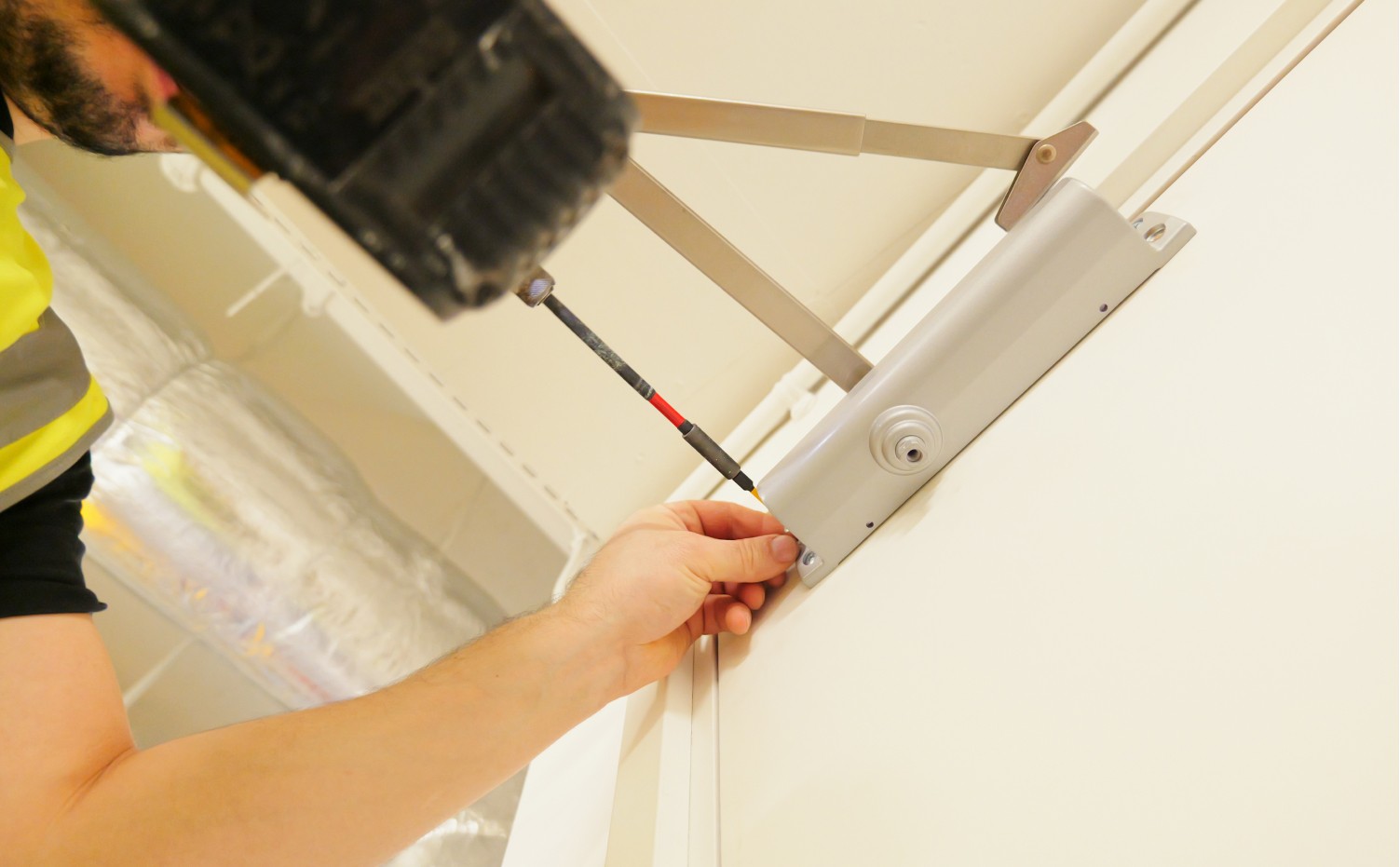
Gas Boiler Engineer performing a check

Compliance

Table of Contents

No anchors found on page.

Why Fire Door Compliance Matters in 2026

Fire doors are one of the most important life safety systems in a commercial building. They help slow the spread of fire and smoke, protect escape routes and give occupants more time to leave safely. For offices, schools, warehouses, hospitality venues and mixed-use buildings, fire door compliance should not be treated as a one-off check. It needs to be part of regular building maintenance, especially where doors are used heavily every day. Barry Turner & Son Ltd provides commercial fire door installations and remedials, supporting businesses with compliant fitting, repairs and practical upgrades across commercial spaces.

What Businesses Should Check on Fire Doors

A compliant fire door is more than just the door leaf. Businesses should check the full door set, including the frame, hinges, closer, glazing, seals, signage, gaps and ironmongery. Common issues include damaged intumescent strips, missing smoke seals, doors that do not close fully, excessive gaps around the frame, wedged open doors, damaged glazing and incorrect handles or hinges. These small defects can stop a fire door from working properly when it matters most. For a simple breakdown, Barry Turner & Son Ltd has also published a useful guide on fire door checks, gaps, seals and closers, which is ideal for facilities managers and building owners reviewing their current doors.

Fire safety in commercial buildings is a legal responsibility. GOV.UK explains that the responsible person for business or non-domestic premises can be the employer, owner, landlord, occupier or anyone else with control of the premises, such as a facilities manager or building manager. This means businesses must understand who is responsible for fire safety, keep suitable records and act when defects are found. Official guidance is available through GOV.UK workplace fire safety responsibilities. For construction, refurbishment or remedial projects, the HSE also explains that commercial clients have duties under CDM 2015 to make suitable arrangements for managing health and safety risks. You can read more through the HSE commercial client duties guidance. Barry Turner & Son Ltd supports wider commercial works through its commercial construction and repair services, helping clients address fire safety, refurbishment and maintenance needs together.

When Fire Door Remedials Are Needed

Not every issue requires a full fire door replacement. In many cases, remedial works can bring existing doors back to a compliant condition, depending on the level of damage and the door specification. Remedials may include replacing seals, adjusting closers, fitting correct signage, repairing frames, upgrading ironmongery, improving gaps or replacing damaged components. Where doors are beyond repair, replacement may be the safest and most compliant option. Barry Turner & Son Ltd recently completed a fire door compliance project near Tower Bridge, London, delivering essential upgrades in a live commercial environment while helping the client maintain day to day operations. You can also explore the wider project portfolio to see other examples of commercial and compliance-led work.

Conclusion: Keep Your Building Safe, Compliant and Ready

Fire door compliance protects people, supports legal duties and reduces the risk of enforcement action, insurance issues and operational disruption. In 2026, businesses should be checking door condition, closing action, seals, gaps, signage, damage, documentation and inspection routines as part of regular facilities management. If your building is due a review, has damaged doors or has recently undergone refurbishment, now is the right time to act. For fire door inspections, remedial works or commercial compliance support, speak to Barry Turner & Son Ltd through the contact page.

Fire Door Compliance in Commercial Buildings: What Businesses Need to Check in 2026

Gas Boiler Engineer performing a check

Compliance

Table of Contents

No anchors found on page.

Why Fire Door Compliance Matters in 2026

Fire doors are one of the most important life safety systems in a commercial building. They help slow the spread of fire and smoke, protect escape routes and give occupants more time to leave safely. For offices, schools, warehouses, hospitality venues and mixed-use buildings, fire door compliance should not be treated as a one-off check. It needs to be part of regular building maintenance, especially where doors are used heavily every day. Barry Turner & Son Ltd provides commercial fire door installations and remedials, supporting businesses with compliant fitting, repairs and practical upgrades across commercial spaces.

What Businesses Should Check on Fire Doors

A compliant fire door is more than just the door leaf. Businesses should check the full door set, including the frame, hinges, closer, glazing, seals, signage, gaps and ironmongery. Common issues include damaged intumescent strips, missing smoke seals, doors that do not close fully, excessive gaps around the frame, wedged open doors, damaged glazing and incorrect handles or hinges. These small defects can stop a fire door from working properly when it matters most. For a simple breakdown, Barry Turner & Son Ltd has also published a useful guide on fire door checks, gaps, seals and closers, which is ideal for facilities managers and building owners reviewing their current doors.

Fire safety in commercial buildings is a legal responsibility. GOV.UK explains that the responsible person for business or non-domestic premises can be the employer, owner, landlord, occupier or anyone else with control of the premises, such as a facilities manager or building manager. This means businesses must understand who is responsible for fire safety, keep suitable records and act when defects are found. Official guidance is available through GOV.UK workplace fire safety responsibilities. For construction, refurbishment or remedial projects, the HSE also explains that commercial clients have duties under CDM 2015 to make suitable arrangements for managing health and safety risks. You can read more through the HSE commercial client duties guidance. Barry Turner & Son Ltd supports wider commercial works through its commercial construction and repair services, helping clients address fire safety, refurbishment and maintenance needs together.

When Fire Door Remedials Are Needed

Not every issue requires a full fire door replacement. In many cases, remedial works can bring existing doors back to a compliant condition, depending on the level of damage and the door specification. Remedials may include replacing seals, adjusting closers, fitting correct signage, repairing frames, upgrading ironmongery, improving gaps or replacing damaged components. Where doors are beyond repair, replacement may be the safest and most compliant option. Barry Turner & Son Ltd recently completed a fire door compliance project near Tower Bridge, London, delivering essential upgrades in a live commercial environment while helping the client maintain day to day operations. You can also explore the wider project portfolio to see other examples of commercial and compliance-led work.

Conclusion: Keep Your Building Safe, Compliant and Ready

Fire door compliance protects people, supports legal duties and reduces the risk of enforcement action, insurance issues and operational disruption. In 2026, businesses should be checking door condition, closing action, seals, gaps, signage, damage, documentation and inspection routines as part of regular facilities management. If your building is due a review, has damaged doors or has recently undergone refurbishment, now is the right time to act. For fire door inspections, remedial works or commercial compliance support, speak to Barry Turner & Son Ltd through the contact page.

Fire Door Compliance in Commercial Buildings: What Businesses Need to Check in 2026

Gas Boiler Engineer performing a check

Compliance

Table of Contents

No anchors found on page.

Why Fire Door Compliance Matters in 2026

Fire doors are one of the most important life safety systems in a commercial building. They help slow the spread of fire and smoke, protect escape routes and give occupants more time to leave safely. For offices, schools, warehouses, hospitality venues and mixed-use buildings, fire door compliance should not be treated as a one-off check. It needs to be part of regular building maintenance, especially where doors are used heavily every day. Barry Turner & Son Ltd provides commercial fire door installations and remedials, supporting businesses with compliant fitting, repairs and practical upgrades across commercial spaces.

What Businesses Should Check on Fire Doors

A compliant fire door is more than just the door leaf. Businesses should check the full door set, including the frame, hinges, closer, glazing, seals, signage, gaps and ironmongery. Common issues include damaged intumescent strips, missing smoke seals, doors that do not close fully, excessive gaps around the frame, wedged open doors, damaged glazing and incorrect handles or hinges. These small defects can stop a fire door from working properly when it matters most. For a simple breakdown, Barry Turner & Son Ltd has also published a useful guide on fire door checks, gaps, seals and closers, which is ideal for facilities managers and building owners reviewing their current doors.

Fire safety in commercial buildings is a legal responsibility. GOV.UK explains that the responsible person for business or non-domestic premises can be the employer, owner, landlord, occupier or anyone else with control of the premises, such as a facilities manager or building manager. This means businesses must understand who is responsible for fire safety, keep suitable records and act when defects are found. Official guidance is available through GOV.UK workplace fire safety responsibilities. For construction, refurbishment or remedial projects, the HSE also explains that commercial clients have duties under CDM 2015 to make suitable arrangements for managing health and safety risks. You can read more through the HSE commercial client duties guidance. Barry Turner & Son Ltd supports wider commercial works through its commercial construction and repair services, helping clients address fire safety, refurbishment and maintenance needs together.

When Fire Door Remedials Are Needed

Not every issue requires a full fire door replacement. In many cases, remedial works can bring existing doors back to a compliant condition, depending on the level of damage and the door specification. Remedials may include replacing seals, adjusting closers, fitting correct signage, repairing frames, upgrading ironmongery, improving gaps or replacing damaged components. Where doors are beyond repair, replacement may be the safest and most compliant option. Barry Turner & Son Ltd recently completed a fire door compliance project near Tower Bridge, London, delivering essential upgrades in a live commercial environment while helping the client maintain day to day operations. You can also explore the wider project portfolio to see other examples of commercial and compliance-led work.

Conclusion: Keep Your Building Safe, Compliant and Ready

Fire door compliance protects people, supports legal duties and reduces the risk of enforcement action, insurance issues and operational disruption. In 2026, businesses should be checking door condition, closing action, seals, gaps, signage, damage, documentation and inspection routines as part of regular facilities management. If your building is due a review, has damaged doors or has recently undergone refurbishment, now is the right time to act. For fire door inspections, remedial works or commercial compliance support, speak to Barry Turner & Son Ltd through the contact page.

SEO: Dynamic Breadcrumb Data
Auto-detecting current URL
Converts URL like: example.com/blog/category/post
To breadcrumbs: Home → Blog → Category → Post