Fire Door Remedial Works After a Survey: How to Plan the Next Steps
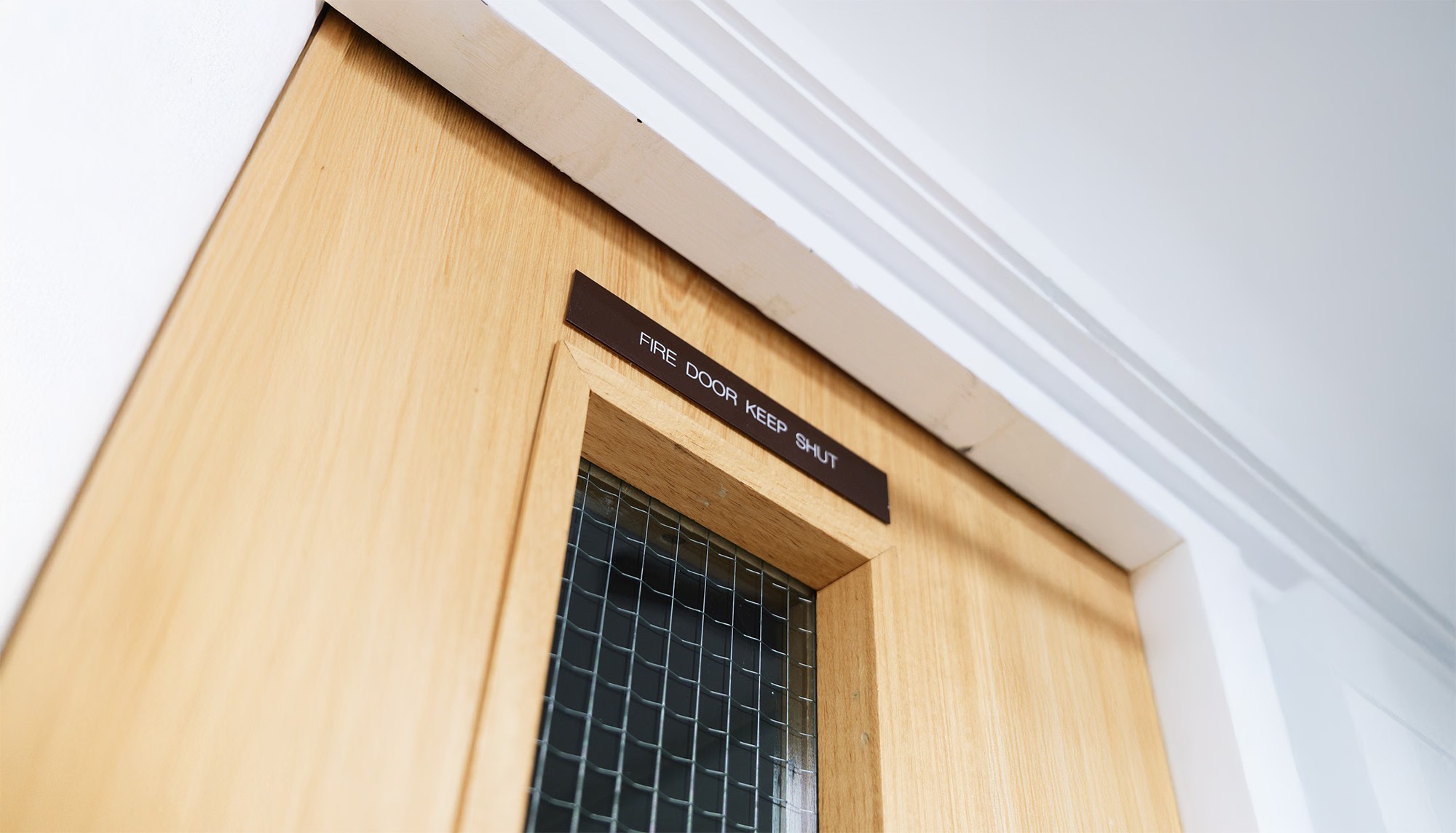
Fire door with keep shut sign in a commercial building

Fire Door Remedials

Table of Contents

A fire door survey is useful only when its findings become a practical work plan. For a facilities manager or responsible person, the next step is to separate urgent defects from planned remedials, confirm the specification and record completed work.

Start with the survey schedule

Read each finding against the door location, door-set type and surveyor's recommendation. A note such as “door does not close” is not yet a complete work instruction. The cause, required adjustment or replacement component, and any further inspection need to be clear before the job is priced or scheduled.

Keep the original survey and a working schedule together. Record the door reference, defect, priority, agreed action, access constraints, contractor and completion evidence. This makes handover easier across multi-floor or multi-site estates.

Prioritise risk, not just convenience

Some defects may need prompt action while others can be grouped into an organised programme. The responsible person should assess the risk in the context of the building, its occupants and the fire-safety strategy, using competent advice where needed. Do not assume every leaf, closer or seal can be treated in the same way.

The government's fire door guidance explains the importance of keeping fire doors in efficient working order. It does not replace a building-specific assessment.

Check the scope before work starts

A useful remedial brief should say which door sets are included, whether existing components are to be repaired or replaced, which specification applies and who will check the finished work. Confirm access to occupied areas, working hours, protection of adjacent finishes and how discoveries outside the original survey will be approved.

Where a defect points to a wider issue, such as repeated damage or unsuitable hardware, review the underlying cause rather than repeatedly patching the symptom.

Keep the evidence trail

For each door, retain the survey finding, agreed remedy, product information where relevant, dated photographs and completion record. Record any item that could not be completed and why. The final handover should clearly distinguish completed work from remaining actions.

Turn the schedule into a manageable programme

Group compatible work by building, floor or access window, but keep each door's record separate. This can reduce disruption without losing traceability. For an occupied site, discuss safe access and temporary arrangements before a door is taken out of service.

Barry Turner & Son supports commercial fire door installation and remedial works. If you have a survey schedule, send the door references, findings, location and access requirements with your enquiry so the team can discuss a defined scope.

Fire Door Remedial Works After a Survey: How to Plan the Next Steps

Fire door with keep shut sign in a commercial building

Fire Door Remedials

Table of Contents

A fire door survey is useful only when its findings become a practical work plan. For a facilities manager or responsible person, the next step is to separate urgent defects from planned remedials, confirm the specification and record completed work.

Start with the survey schedule

Read each finding against the door location, door-set type and surveyor's recommendation. A note such as “door does not close” is not yet a complete work instruction. The cause, required adjustment or replacement component, and any further inspection need to be clear before the job is priced or scheduled.

Keep the original survey and a working schedule together. Record the door reference, defect, priority, agreed action, access constraints, contractor and completion evidence. This makes handover easier across multi-floor or multi-site estates.

Prioritise risk, not just convenience

Some defects may need prompt action while others can be grouped into an organised programme. The responsible person should assess the risk in the context of the building, its occupants and the fire-safety strategy, using competent advice where needed. Do not assume every leaf, closer or seal can be treated in the same way.

The government's fire door guidance explains the importance of keeping fire doors in efficient working order. It does not replace a building-specific assessment.

Check the scope before work starts

A useful remedial brief should say which door sets are included, whether existing components are to be repaired or replaced, which specification applies and who will check the finished work. Confirm access to occupied areas, working hours, protection of adjacent finishes and how discoveries outside the original survey will be approved.

Where a defect points to a wider issue, such as repeated damage or unsuitable hardware, review the underlying cause rather than repeatedly patching the symptom.

Keep the evidence trail

For each door, retain the survey finding, agreed remedy, product information where relevant, dated photographs and completion record. Record any item that could not be completed and why. The final handover should clearly distinguish completed work from remaining actions.

Turn the schedule into a manageable programme

Group compatible work by building, floor or access window, but keep each door's record separate. This can reduce disruption without losing traceability. For an occupied site, discuss safe access and temporary arrangements before a door is taken out of service.

Barry Turner & Son supports commercial fire door installation and remedial works. If you have a survey schedule, send the door references, findings, location and access requirements with your enquiry so the team can discuss a defined scope.

Fire Door Remedial Works After a Survey: How to Plan the Next Steps

Fire door with keep shut sign in a commercial building

Fire Door Remedials

Table of Contents

A fire door survey is useful only when its findings become a practical work plan. For a facilities manager or responsible person, the next step is to separate urgent defects from planned remedials, confirm the specification and record completed work.

Start with the survey schedule

Read each finding against the door location, door-set type and surveyor's recommendation. A note such as “door does not close” is not yet a complete work instruction. The cause, required adjustment or replacement component, and any further inspection need to be clear before the job is priced or scheduled.

Keep the original survey and a working schedule together. Record the door reference, defect, priority, agreed action, access constraints, contractor and completion evidence. This makes handover easier across multi-floor or multi-site estates.

Prioritise risk, not just convenience

Some defects may need prompt action while others can be grouped into an organised programme. The responsible person should assess the risk in the context of the building, its occupants and the fire-safety strategy, using competent advice where needed. Do not assume every leaf, closer or seal can be treated in the same way.

The government's fire door guidance explains the importance of keeping fire doors in efficient working order. It does not replace a building-specific assessment.

Check the scope before work starts

A useful remedial brief should say which door sets are included, whether existing components are to be repaired or replaced, which specification applies and who will check the finished work. Confirm access to occupied areas, working hours, protection of adjacent finishes and how discoveries outside the original survey will be approved.

Where a defect points to a wider issue, such as repeated damage or unsuitable hardware, review the underlying cause rather than repeatedly patching the symptom.

Keep the evidence trail

For each door, retain the survey finding, agreed remedy, product information where relevant, dated photographs and completion record. Record any item that could not be completed and why. The final handover should clearly distinguish completed work from remaining actions.

Turn the schedule into a manageable programme

Group compatible work by building, floor or access window, but keep each door's record separate. This can reduce disruption without losing traceability. For an occupied site, discuss safe access and temporary arrangements before a door is taken out of service.

Barry Turner & Son supports commercial fire door installation and remedial works. If you have a survey schedule, send the door references, findings, location and access requirements with your enquiry so the team can discuss a defined scope.