Net Zero Upgrades in 2026: How LED, HVAC & Insulation Are Transforming UK Commercial Buildings
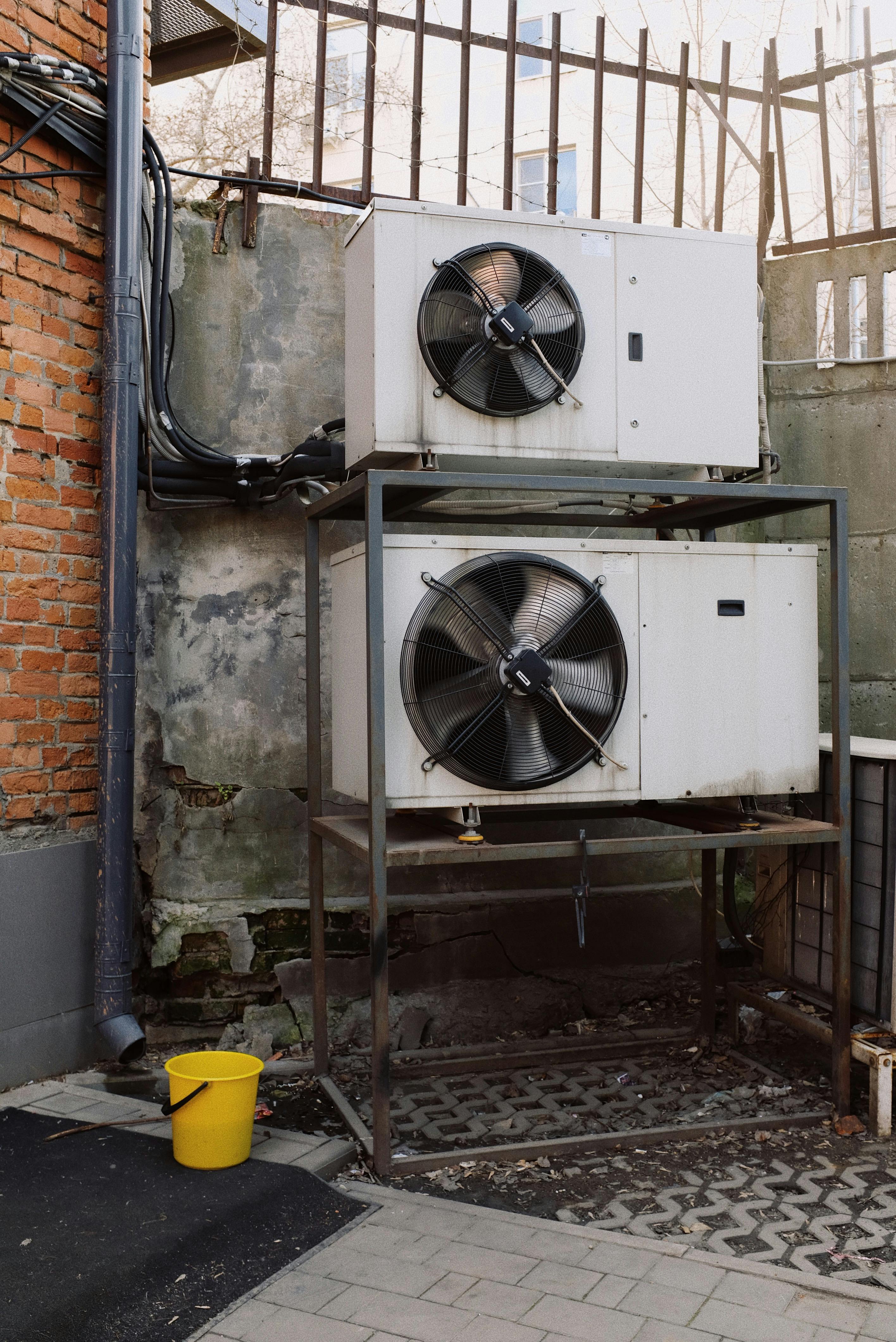
HVAC

Table of Contents

No anchors found on page.

Why Net Zero Is No Longer Optional for UK Businesses

Rising energy costs, stricter regulations, and increasing pressure on sustainability mean that net zero is no longer a future goal. For commercial buildings across the UK, energy efficiency upgrades are now a necessity, not a luxury. Businesses that fail to act are facing higher operational costs, reduced asset value, and growing compliance risks.

Government targets such as the UK’s Net Zero Strategy continue to drive change across the built environment. You can explore official guidance here:
https://www.gov.uk/government/publications/net-zero-strategy

For businesses operating large premises, aligning with these targets is now a key part of facilities and asset management.

LED Lighting Upgrades: The Fastest Return on Investment

One of the most effective and immediate ways to improve energy efficiency is upgrading to LED lighting. Compared to traditional systems, LED solutions use significantly less energy while delivering better brightness and longevity.

Working with specialists such as Azure Electrical Ltd ensures installations are carried out to a high commercial standard, with systems designed for performance, efficiency, and longevity.

LED upgrades can:

  • Reduce energy consumption by up to 70 percent

  • Lower maintenance costs due to longer lifespan

  • Improve lighting quality in retail, office, and industrial environments

  • Enhance the overall customer and staff experience

For more insight into energy-efficient lighting, visit the Energy Saving Trust:
https://energysavingtrust.org.uk/advice/lighting/

For many businesses, LED retrofitting is the quickest win in reducing energy bills and improving sustainability credentials.

HVAC Systems: The Hidden Cost Driver in Commercial Buildings

Heating, ventilation, and air conditioning systems are often the largest contributors to energy consumption within commercial properties. Outdated HVAC systems can operate inefficiently, leading to unnecessary energy waste and higher utility bills.

Modern HVAC upgrades focus on:

  • Smart temperature control systems

  • Energy-efficient units with lower emissions

  • Zoned heating and cooling for better control

  • Integration with building management systems

Upgrading HVAC systems not only reduces costs but also improves air quality and comfort, which can directly impact productivity and customer satisfaction.

For guidance on improving building efficiency, refer to CIBSE (Chartered Institution of Building Services Engineers):
https://www.cibse.org/

Barry Turner & Son Ltd delivers mechanical upgrades and system optimisation as part of wider commercial refurbishment and maintenance strategies.

Insulation: The Overlooked Foundation of Energy Efficiency

While lighting and HVAC upgrades often take priority, insulation plays a critical role in maintaining energy efficiency. Poor insulation allows heat to escape in winter and enter in summer, forcing systems to work harder.

Key benefits of improved insulation include:

  • Reduced heating and cooling demand

  • Lower energy bills year-round

  • Increased building lifespan

  • Improved environmental performance

For older buildings in particular, insulation upgrades can deliver significant long-term savings.

You can explore building insulation standards via the UK Building Regulations (Approved Documents):
https://www.gov.uk/government/collections/approved-documents

The Financial Benefits of Energy Efficiency Upgrades

Investing in net zero improvements is not just about sustainability. It is a commercial decision that directly impacts the bottom line.

Businesses can benefit from:

  • Lower monthly energy costs

  • Reduced maintenance and repair expenses

  • Increased property value

  • Enhanced brand reputation through sustainability efforts

Support schemes and funding options may also be available depending on the scale of the project. For current guidance, visit:
https://www.gov.uk/guidance/find-energy-grants-for-you

Key Considerations Before Upgrading

Before implementing energy efficiency improvements, businesses should take a strategic approach. Not all upgrades deliver the same results without proper planning.

Important considerations include:

  • Conducting a full energy audit

  • Understanding building usage and peak demand

  • Selecting the right systems for your environment

  • Ensuring compliance with UK regulations

  • Working with experienced contractors

Choosing the right partners is critical to ensuring systems are installed correctly and deliver expected performance. You can view examples of our completed commercial projects here.

Why Integrated Upgrades Deliver the Best Results

The most effective approach to achieving net zero targets is not through isolated upgrades, but through a holistic strategy. Combining LED lighting, HVAC improvements, and insulation creates a compounding effect, significantly reducing overall energy consumption.

Integrated systems allow businesses to:

  • Monitor and manage energy usage in real time

  • Improve operational efficiency

  • Future-proof their buildings against regulatory changes

This approach positions organisations for long-term success in an increasingly energy-conscious market.

Start Your Net Zero Journey Today

Energy efficiency is no longer just about reducing costs. It is about staying competitive, compliant, and future-ready.

Whether it is upgrading lighting, improving HVAC systems, or enhancing insulation, taking action now can deliver immediate and long-term benefits.

Businesses looking to begin their journey should prioritise quick wins such as LED upgrades while planning for wider improvements across their property portfolio.

Speak to our team about upgrading your commercial systems.

Net Zero Upgrades in 2026: How LED, HVAC & Insulation Are Transforming UK Commercial Buildings

HVAC

Table of Contents

No anchors found on page.

Why Net Zero Is No Longer Optional for UK Businesses

Rising energy costs, stricter regulations, and increasing pressure on sustainability mean that net zero is no longer a future goal. For commercial buildings across the UK, energy efficiency upgrades are now a necessity, not a luxury. Businesses that fail to act are facing higher operational costs, reduced asset value, and growing compliance risks.

Government targets such as the UK’s Net Zero Strategy continue to drive change across the built environment. You can explore official guidance here:
https://www.gov.uk/government/publications/net-zero-strategy

For businesses operating large premises, aligning with these targets is now a key part of facilities and asset management.

LED Lighting Upgrades: The Fastest Return on Investment

One of the most effective and immediate ways to improve energy efficiency is upgrading to LED lighting. Compared to traditional systems, LED solutions use significantly less energy while delivering better brightness and longevity.

Working with specialists such as Azure Electrical Ltd ensures installations are carried out to a high commercial standard, with systems designed for performance, efficiency, and longevity.

LED upgrades can:

  • Reduce energy consumption by up to 70 percent

  • Lower maintenance costs due to longer lifespan

  • Improve lighting quality in retail, office, and industrial environments

  • Enhance the overall customer and staff experience

For more insight into energy-efficient lighting, visit the Energy Saving Trust:
https://energysavingtrust.org.uk/advice/lighting/

For many businesses, LED retrofitting is the quickest win in reducing energy bills and improving sustainability credentials.

HVAC Systems: The Hidden Cost Driver in Commercial Buildings

Heating, ventilation, and air conditioning systems are often the largest contributors to energy consumption within commercial properties. Outdated HVAC systems can operate inefficiently, leading to unnecessary energy waste and higher utility bills.

Modern HVAC upgrades focus on:

  • Smart temperature control systems

  • Energy-efficient units with lower emissions

  • Zoned heating and cooling for better control

  • Integration with building management systems

Upgrading HVAC systems not only reduces costs but also improves air quality and comfort, which can directly impact productivity and customer satisfaction.

For guidance on improving building efficiency, refer to CIBSE (Chartered Institution of Building Services Engineers):
https://www.cibse.org/

Barry Turner & Son Ltd delivers mechanical upgrades and system optimisation as part of wider commercial refurbishment and maintenance strategies.

Insulation: The Overlooked Foundation of Energy Efficiency

While lighting and HVAC upgrades often take priority, insulation plays a critical role in maintaining energy efficiency. Poor insulation allows heat to escape in winter and enter in summer, forcing systems to work harder.

Key benefits of improved insulation include:

  • Reduced heating and cooling demand

  • Lower energy bills year-round

  • Increased building lifespan

  • Improved environmental performance

For older buildings in particular, insulation upgrades can deliver significant long-term savings.

You can explore building insulation standards via the UK Building Regulations (Approved Documents):
https://www.gov.uk/government/collections/approved-documents

The Financial Benefits of Energy Efficiency Upgrades

Investing in net zero improvements is not just about sustainability. It is a commercial decision that directly impacts the bottom line.

Businesses can benefit from:

  • Lower monthly energy costs

  • Reduced maintenance and repair expenses

  • Increased property value

  • Enhanced brand reputation through sustainability efforts

Support schemes and funding options may also be available depending on the scale of the project. For current guidance, visit:
https://www.gov.uk/guidance/find-energy-grants-for-you

Key Considerations Before Upgrading

Before implementing energy efficiency improvements, businesses should take a strategic approach. Not all upgrades deliver the same results without proper planning.

Important considerations include:

  • Conducting a full energy audit

  • Understanding building usage and peak demand

  • Selecting the right systems for your environment

  • Ensuring compliance with UK regulations

  • Working with experienced contractors

Choosing the right partners is critical to ensuring systems are installed correctly and deliver expected performance. You can view examples of our completed commercial projects here.

Why Integrated Upgrades Deliver the Best Results

The most effective approach to achieving net zero targets is not through isolated upgrades, but through a holistic strategy. Combining LED lighting, HVAC improvements, and insulation creates a compounding effect, significantly reducing overall energy consumption.

Integrated systems allow businesses to:

  • Monitor and manage energy usage in real time

  • Improve operational efficiency

  • Future-proof their buildings against regulatory changes

This approach positions organisations for long-term success in an increasingly energy-conscious market.

Start Your Net Zero Journey Today

Energy efficiency is no longer just about reducing costs. It is about staying competitive, compliant, and future-ready.

Whether it is upgrading lighting, improving HVAC systems, or enhancing insulation, taking action now can deliver immediate and long-term benefits.

Businesses looking to begin their journey should prioritise quick wins such as LED upgrades while planning for wider improvements across their property portfolio.

Speak to our team about upgrading your commercial systems.

Net Zero Upgrades in 2026: How LED, HVAC & Insulation Are Transforming UK Commercial Buildings

HVAC

Table of Contents

No anchors found on page.

Why Net Zero Is No Longer Optional for UK Businesses

Rising energy costs, stricter regulations, and increasing pressure on sustainability mean that net zero is no longer a future goal. For commercial buildings across the UK, energy efficiency upgrades are now a necessity, not a luxury. Businesses that fail to act are facing higher operational costs, reduced asset value, and growing compliance risks.

Government targets such as the UK’s Net Zero Strategy continue to drive change across the built environment. You can explore official guidance here:
https://www.gov.uk/government/publications/net-zero-strategy

For businesses operating large premises, aligning with these targets is now a key part of facilities and asset management.

LED Lighting Upgrades: The Fastest Return on Investment

One of the most effective and immediate ways to improve energy efficiency is upgrading to LED lighting. Compared to traditional systems, LED solutions use significantly less energy while delivering better brightness and longevity.

Working with specialists such as Azure Electrical Ltd ensures installations are carried out to a high commercial standard, with systems designed for performance, efficiency, and longevity.

LED upgrades can:

  • Reduce energy consumption by up to 70 percent

  • Lower maintenance costs due to longer lifespan

  • Improve lighting quality in retail, office, and industrial environments

  • Enhance the overall customer and staff experience

For more insight into energy-efficient lighting, visit the Energy Saving Trust:
https://energysavingtrust.org.uk/advice/lighting/

For many businesses, LED retrofitting is the quickest win in reducing energy bills and improving sustainability credentials.

HVAC Systems: The Hidden Cost Driver in Commercial Buildings

Heating, ventilation, and air conditioning systems are often the largest contributors to energy consumption within commercial properties. Outdated HVAC systems can operate inefficiently, leading to unnecessary energy waste and higher utility bills.

Modern HVAC upgrades focus on:

  • Smart temperature control systems

  • Energy-efficient units with lower emissions

  • Zoned heating and cooling for better control

  • Integration with building management systems

Upgrading HVAC systems not only reduces costs but also improves air quality and comfort, which can directly impact productivity and customer satisfaction.

For guidance on improving building efficiency, refer to CIBSE (Chartered Institution of Building Services Engineers):
https://www.cibse.org/

Barry Turner & Son Ltd delivers mechanical upgrades and system optimisation as part of wider commercial refurbishment and maintenance strategies.

Insulation: The Overlooked Foundation of Energy Efficiency

While lighting and HVAC upgrades often take priority, insulation plays a critical role in maintaining energy efficiency. Poor insulation allows heat to escape in winter and enter in summer, forcing systems to work harder.

Key benefits of improved insulation include:

  • Reduced heating and cooling demand

  • Lower energy bills year-round

  • Increased building lifespan

  • Improved environmental performance

For older buildings in particular, insulation upgrades can deliver significant long-term savings.

You can explore building insulation standards via the UK Building Regulations (Approved Documents):
https://www.gov.uk/government/collections/approved-documents

The Financial Benefits of Energy Efficiency Upgrades

Investing in net zero improvements is not just about sustainability. It is a commercial decision that directly impacts the bottom line.

Businesses can benefit from:

  • Lower monthly energy costs

  • Reduced maintenance and repair expenses

  • Increased property value

  • Enhanced brand reputation through sustainability efforts

Support schemes and funding options may also be available depending on the scale of the project. For current guidance, visit:
https://www.gov.uk/guidance/find-energy-grants-for-you

Key Considerations Before Upgrading

Before implementing energy efficiency improvements, businesses should take a strategic approach. Not all upgrades deliver the same results without proper planning.

Important considerations include:

  • Conducting a full energy audit

  • Understanding building usage and peak demand

  • Selecting the right systems for your environment

  • Ensuring compliance with UK regulations

  • Working with experienced contractors

Choosing the right partners is critical to ensuring systems are installed correctly and deliver expected performance. You can view examples of our completed commercial projects here.

Why Integrated Upgrades Deliver the Best Results

The most effective approach to achieving net zero targets is not through isolated upgrades, but through a holistic strategy. Combining LED lighting, HVAC improvements, and insulation creates a compounding effect, significantly reducing overall energy consumption.

Integrated systems allow businesses to:

  • Monitor and manage energy usage in real time

  • Improve operational efficiency

  • Future-proof their buildings against regulatory changes

This approach positions organisations for long-term success in an increasingly energy-conscious market.

Start Your Net Zero Journey Today

Energy efficiency is no longer just about reducing costs. It is about staying competitive, compliant, and future-ready.

Whether it is upgrading lighting, improving HVAC systems, or enhancing insulation, taking action now can deliver immediate and long-term benefits.

Businesses looking to begin their journey should prioritise quick wins such as LED upgrades while planning for wider improvements across their property portfolio.

Speak to our team about upgrading your commercial systems.

SEO: Dynamic Breadcrumb Data
Auto-detecting current URL
Converts URL like: example.com/blog/category/post
To breadcrumbs: Home → Blog → Category → Post