Small Office Fit Out London: How to Make a Compact Workspace Work Harder
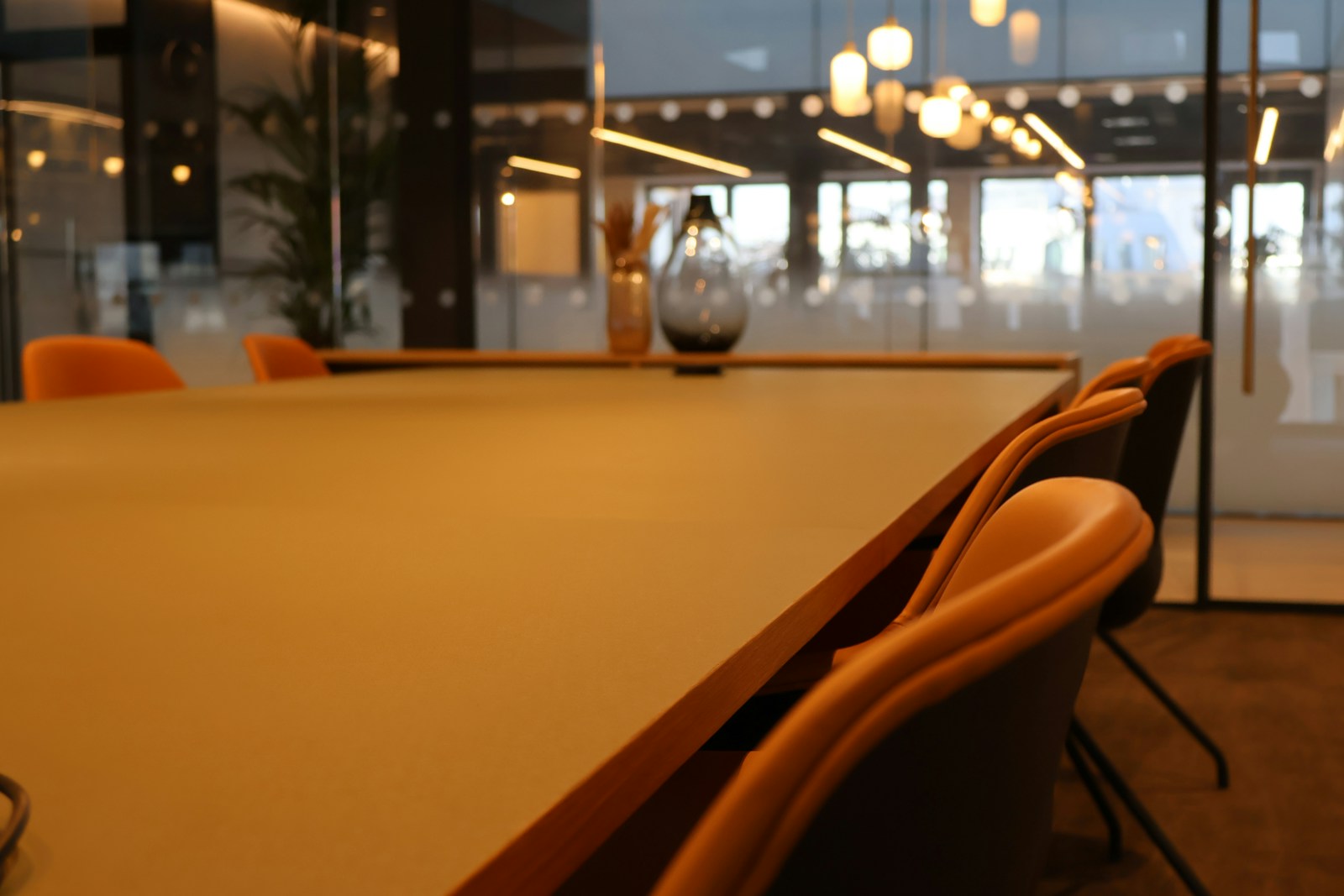
Modern compact office meeting room with glass partitions

Office Fit Out & Commercial Refurbishment

Table of Contents

No anchors found on page.

Answer First: What Makes a Good Small Office Fit Out?

A good small office fit out makes every part of the workspace useful without making it feel cramped. For London businesses, this usually means improving layout, storage, lighting, acoustics, meeting space, ventilation, technology and staff comfort while keeping disruption, cost and wasted space under control.

Small office fit out projects work best when they are planned around how people actually use the space. That includes focused work, calls, meetings, collaboration, storage, breaks, visitors and hybrid working.

The goal is not to fill the office with more desks. The goal is to create a workspace that supports the business properly.

Why Small Office Fit Outs Are Becoming More Important in London

Many London businesses are rethinking how much office space they really need.

Hybrid working has changed the role of the office. Some teams no longer need rows of fixed desks, but they do need better meeting rooms, video call spaces, breakout areas and flexible work zones.

At the same time, London office space is expensive. For smaller businesses, charities, professional services firms, creative teams, satellite offices and growing companies, making better use of an existing space can be more practical than moving.

This is why searches for small office fit out, office fit out design and office fit out London are becoming more valuable. Businesses are not just looking for a contractor. They are looking for a way to make limited space perform better.

The British Council for Offices has also highlighted that modern office fit out guidance now reflects hybrid working, wellbeing, smart technology and net zero considerations. Businesses planning an office update should treat fit out as a strategic workplace decision, not just an interior refresh. See the British Council for Offices update on its office fit out guidance: https://www.bco.org.uk/bco-launches-new-guidance-for-office-design-reflecting-hybrid-working-patterns-and-net-zero-transition

Who Is a Small Office Fit Out For?

A small office fit out can be suitable for:

  • growing businesses moving into their first commercial office

  • teams downsizing after hybrid working changes

  • landlords preparing compact spaces for tenants

  • professional services firms needing a more client-facing workplace

  • businesses converting unused rooms into productive work areas

  • companies refreshing tired offices without relocating

  • satellite offices needing better facilities

  • organisations improving staff experience in a limited footprint

Small does not mean simple. In many cases, a compact office requires more careful planning because there is less room for wasted space, poor storage or inefficient circulation.

Small Office Fit Out vs Large Office Fit Out

The main difference is tolerance.

A large office can often absorb small mistakes. A small office cannot.

In a compact workspace, every decision matters:

  • where people sit

  • where calls happen

  • where coats and bags go

  • how visitors are welcomed

  • where printers and shared equipment sit

  • how kitchen or tea point areas are managed

  • where storage is hidden

  • how noise travels

  • how natural light is used

A small office fit out in London needs to balance function, comfort and compliance within a tighter footprint.

That is why the design and planning stage is so important.

What Should Be Included in a Small Office Fit Out?

Every office is different, but a small commercial office fit out may include:

Layout Planning

The layout should support the way the team works.

This may include:

  • fixed desks

  • hot desks

  • collaboration tables

  • meeting rooms

  • quiet zones

  • visitor areas

  • storage

  • breakout space

The biggest mistake is assuming the old layout still works.

Before committing to a design, ask how the business operates now, not how it operated five years ago.

Office Interior Fit Out

The interior fit out shapes how the workspace feels and functions.

This may include:

  • flooring

  • decoration

  • ceilings

  • partitions

  • feature walls

  • joinery

  • signage

  • furniture coordination

A good small office interior fit out should make the space feel professional without overwhelming it.

Lighting and Electrical Works

Lighting has a major impact on comfort, productivity and how spacious the office feels.

A small office may need:

  • LED lighting upgrades

  • task lighting

  • feature lighting

  • emergency lighting

  • additional sockets

  • data points

  • meeting room power

  • charging points

  • improved cable management

Poor socket placement can quickly make a compact office feel cluttered.

Ventilation and Comfort

Small offices can become uncomfortable quickly if ventilation, heating or cooling is not properly considered.

Common issues include:

  • stuffy meeting rooms

  • uneven temperatures

  • poor airflow

  • noisy ventilation

  • overheating from equipment

  • lack of fresh air in internal rooms

The HSE notes that workplaces should have suitable ventilation, comfortable temperatures and appropriate welfare facilities. These basics are especially important in compact offices where people are working close together. See HSE workplace facilities guidance: https://www.hse.gov.uk/simple-health-safety/workplace-facilities/index.htm

Meeting and Call Spaces

Hybrid working has made small meeting spaces more important.

A small office fit out may need to include:

  • one-to-one call booths

  • small meeting rooms

  • video call spaces

  • acoustic panels

  • quiet work zones

  • shared collaboration areas

Without these, staff may end up taking calls from desks, kitchens or corridors, which can disrupt the whole office.

Kitchen and Tea Point Areas

Even a small office needs practical staff facilities.

This may include:

  • compact kitchen units

  • sink and water supply

  • storage

  • fridge space

  • waste management

  • wipe-clean surfaces

  • lighting

  • ventilation

If plumbing or drainage work is needed, it should be considered early so the layout does not need to change later.

How to Make a Small Office Feel Bigger

A small office does not have to feel cramped.

The right fit out can make the space feel more open, organised and efficient.

Use Glass Partitions Where Appropriate

Glass partitions can separate spaces without blocking light.

They are useful for:

  • meeting rooms

  • private offices

  • client areas

  • acoustic separation

  • visual openness

Reduce Visual Clutter

Clutter makes small offices feel smaller.

Good design should include:

  • concealed storage

  • cable management

  • clear walkways

  • simple finishes

  • integrated shelving

  • defined zones

If everything has a place, the workspace becomes easier to use and maintain.

Improve Lighting

A brighter office usually feels larger.

This can be achieved through:

  • better LED lighting

  • lighter finishes

  • reflective surfaces

  • feature lighting

  • improved task lighting

  • making better use of natural light

Choose Flexible Furniture

Small offices benefit from furniture that can adapt.

This may include:

  • modular desks

  • movable tables

  • stackable seating

  • integrated storage

  • multi-use breakout furniture

  • compact meeting tables

The less fixed the space is, the easier it becomes to adapt as the business changes.

Compliance Considerations for Small Office Fit Outs

Small offices still need to meet commercial building responsibilities.

A smaller project does not remove the need to think about safety, access and compliance.

Important areas include:

  • fire safety

  • escape routes

  • emergency lighting

  • fire doors

  • electrical safety

  • ventilation

  • accessibility

  • CDM duties

  • welfare facilities

GOV.UK guidance explains that the responsible person for fire safety in business or non-domestic premises may be an employer, owner, landlord, occupier, facilities manager or anyone else with control of the premises. See workplace fire safety responsibilities here: https://www.gov.uk/workplace-fire-safety-your-responsibilities

CDM Duties Still Apply to Small Office Fit Out Projects

Even if the project is small, commercial clients still have responsibilities when construction work is carried out.

The HSE states that commercial clients influence how projects are run and must make suitable arrangements for managing the project so work can be carried out safely. See HSE guidance on commercial client duties under CDM 2015: https://www.hse.gov.uk/construction/cdm/2015/commercial-clients.htm

For office fit out projects, this means clients should think about:

  • appointing suitable contractors

  • giving enough information about the site

  • allowing enough time and resources

  • considering access and safety

  • coordinating works properly

  • managing risks to staff, visitors and contractors

This is particularly important if the office remains occupied during the works.

Common Small Office Fit Out Mistakes

Trying to Fit Too Much Into the Space

More desks do not always mean a better office.

Overcrowding can create:

  • noise issues

  • poor circulation

  • lack of privacy

  • reduced comfort

  • pressure on services

  • lower staff satisfaction

A better approach is to design around actual working patterns.

Ignoring Storage

Storage is often underestimated.

Without enough storage, clutter quickly takes over.

Small offices should include space for:

  • documents

  • stationery

  • personal items

  • cleaning supplies

  • equipment

  • coats and bags

  • archive materials

Leaving Technology Too Late

Technology should be planned early.

This includes:

  • screens

  • AV equipment

  • data points

  • Wi-Fi coverage

  • charging points

  • video call facilities

  • cable routes

If technology is added late, the result can feel messy and inefficient.

Forgetting About Acoustics

Small offices can become noisy quickly.

Acoustic issues often come from:

  • hard flooring

  • glass partitions

  • open-plan layouts

  • meeting calls

  • breakout areas

  • shared desks

Acoustic treatments, layout planning and meeting zones can help reduce disruption.

Treating the Fit Out as Decoration Only

A small office fit out is not just painting and furniture.

It should consider:

  • how people work

  • how services perform

  • how safe the building is

  • how the team uses space

  • how the office will adapt over time

A purely cosmetic update may look better initially but fail to solve practical problems.

Small Office Fit Out Planning Checklist

Before starting a small office fit out in London, check:

  • What does the business need from the office?

  • How many people use the space each day?

  • How often are meetings held?

  • Are video calls disrupting the office?

  • Is there enough storage?

  • Are lighting levels suitable?

  • Is ventilation comfortable?

  • Are sockets and data points in the right places?

  • Are escape routes clear?

  • Are fire doors and fire stopping affected?

  • Will works happen while staff remain on site?

  • Is the contractor experienced in commercial environments?

  • Is the specification clear before pricing?

  • Has a handover and snagging process been agreed?

Why Small Office Fit Outs Need the Right Contractor

A small office fit out can involve multiple trades in a tight space.

That may include:

  • decorators

  • electricians

  • plumbers

  • HVAC engineers

  • carpenters

  • flooring contractors

  • fire door specialists

  • data and technology installers

Good coordination matters because delays, poor sequencing or unclear responsibility can quickly disrupt the project.

When comparing office fit out services, look for a contractor that understands commercial buildings, live working environments and practical delivery, not just finishes.

When Is Refurbishment Better Than Moving Office?

For many London businesses, refurbishment can be more practical than relocation.

Refurbishment may be better when:

  • the location still works

  • the lease is favourable

  • the team likes the area

  • the office is tired but functional

  • the layout can be improved

  • moving would cause major disruption

  • the business wants to reduce unnecessary costs

Moving may still be the right choice in some cases, but a well-planned small office fit out can often unlock more value from the space you already have.

Final Thoughts

A small office fit out in London is not about squeezing more furniture into less space.

It is about making the office more useful.

The best small office fit outs improve layout, comfort, storage, lighting, acoustics, technology, compliance and staff experience. They help businesses create a workspace that supports how people actually work now.

For compact offices, planning matters even more. Every square metre should have a purpose.

Barry Turner and Son Ltd supports businesses with office refurbishment, commercial office fit out, electrical works, HVAC, plumbing, decorating, fire doors, fire stopping and wider commercial building upgrades across London and the South East.

To discuss a small office fit out or workplace refurbishment project, visit Commercial Services or request a Free Quotation.

FAQ

What is a small office fit out?

A small office fit out is the process of adapting a compact commercial workspace so it is ready for business use. It may include layout changes, lighting, electrical works, decoration, flooring, furniture, meeting spaces and compliance upgrades.

What should be included in a small office fit out?

A small office fit out should include layout planning, storage, lighting, power, data, ventilation, furniture, decoration, meeting space, staff facilities and fire safety considerations.

How do you make a small office feel bigger?

Use natural light, efficient storage, glass partitions, flexible furniture, simple finishes, good lighting and clear walkways. Avoid overcrowding the space with too many desks.

Is a small office fit out cheaper than a large office fit out?

Usually, but the cost depends on specification, building condition, services upgrades, compliance works and whether the office remains occupied during the project.

Can a small office fit out support hybrid working?

Yes. Small offices can support hybrid working by including shared desks, video call spaces, flexible meeting areas, collaboration zones and better technology planning.

Do small office fit outs need fire safety checks?

Yes. Even small office fit outs should consider escape routes, fire doors, fire stopping, emergency lighting and fire risk assessment requirements.

Does CDM apply to small office fit out projects?

Commercial clients still have duties under CDM when construction work is carried out. The scale of the project may vary, but planning, safety and contractor suitability still matter.

What is the difference between office fit out design and office refurbishment?

Office fit out design focuses on preparing or shaping the workspace for use. Office refurbishment usually improves or updates an existing workplace. Many projects involve both.

Who should manage a small office fit out?

A contractor with commercial refurbishment and fit out experience should manage the works, coordinate trades and help the client understand programme, access, compliance and handover requirements.

Is office fit out better than moving premises?

For many London businesses, improving an existing office can be more cost-effective and less disruptive than relocating, especially if the location still works but the space needs updating.

Small Office Fit Out London: How to Make a Compact Workspace Work Harder

Modern compact office meeting room with glass partitions

Office Fit Out & Commercial Refurbishment

Table of Contents

No anchors found on page.

Answer First: What Makes a Good Small Office Fit Out?

A good small office fit out makes every part of the workspace useful without making it feel cramped. For London businesses, this usually means improving layout, storage, lighting, acoustics, meeting space, ventilation, technology and staff comfort while keeping disruption, cost and wasted space under control.

Small office fit out projects work best when they are planned around how people actually use the space. That includes focused work, calls, meetings, collaboration, storage, breaks, visitors and hybrid working.

The goal is not to fill the office with more desks. The goal is to create a workspace that supports the business properly.

Why Small Office Fit Outs Are Becoming More Important in London

Many London businesses are rethinking how much office space they really need.

Hybrid working has changed the role of the office. Some teams no longer need rows of fixed desks, but they do need better meeting rooms, video call spaces, breakout areas and flexible work zones.

At the same time, London office space is expensive. For smaller businesses, charities, professional services firms, creative teams, satellite offices and growing companies, making better use of an existing space can be more practical than moving.

This is why searches for small office fit out, office fit out design and office fit out London are becoming more valuable. Businesses are not just looking for a contractor. They are looking for a way to make limited space perform better.

The British Council for Offices has also highlighted that modern office fit out guidance now reflects hybrid working, wellbeing, smart technology and net zero considerations. Businesses planning an office update should treat fit out as a strategic workplace decision, not just an interior refresh. See the British Council for Offices update on its office fit out guidance: https://www.bco.org.uk/bco-launches-new-guidance-for-office-design-reflecting-hybrid-working-patterns-and-net-zero-transition

Who Is a Small Office Fit Out For?

A small office fit out can be suitable for:

  • growing businesses moving into their first commercial office

  • teams downsizing after hybrid working changes

  • landlords preparing compact spaces for tenants

  • professional services firms needing a more client-facing workplace

  • businesses converting unused rooms into productive work areas

  • companies refreshing tired offices without relocating

  • satellite offices needing better facilities

  • organisations improving staff experience in a limited footprint

Small does not mean simple. In many cases, a compact office requires more careful planning because there is less room for wasted space, poor storage or inefficient circulation.

Small Office Fit Out vs Large Office Fit Out

The main difference is tolerance.

A large office can often absorb small mistakes. A small office cannot.

In a compact workspace, every decision matters:

  • where people sit

  • where calls happen

  • where coats and bags go

  • how visitors are welcomed

  • where printers and shared equipment sit

  • how kitchen or tea point areas are managed

  • where storage is hidden

  • how noise travels

  • how natural light is used

A small office fit out in London needs to balance function, comfort and compliance within a tighter footprint.

That is why the design and planning stage is so important.

What Should Be Included in a Small Office Fit Out?

Every office is different, but a small commercial office fit out may include:

Layout Planning

The layout should support the way the team works.

This may include:

  • fixed desks

  • hot desks

  • collaboration tables

  • meeting rooms

  • quiet zones

  • visitor areas

  • storage

  • breakout space

The biggest mistake is assuming the old layout still works.

Before committing to a design, ask how the business operates now, not how it operated five years ago.

Office Interior Fit Out

The interior fit out shapes how the workspace feels and functions.

This may include:

  • flooring

  • decoration

  • ceilings

  • partitions

  • feature walls

  • joinery

  • signage

  • furniture coordination

A good small office interior fit out should make the space feel professional without overwhelming it.

Lighting and Electrical Works

Lighting has a major impact on comfort, productivity and how spacious the office feels.

A small office may need:

  • LED lighting upgrades

  • task lighting

  • feature lighting

  • emergency lighting

  • additional sockets

  • data points

  • meeting room power

  • charging points

  • improved cable management

Poor socket placement can quickly make a compact office feel cluttered.

Ventilation and Comfort

Small offices can become uncomfortable quickly if ventilation, heating or cooling is not properly considered.

Common issues include:

  • stuffy meeting rooms

  • uneven temperatures

  • poor airflow

  • noisy ventilation

  • overheating from equipment

  • lack of fresh air in internal rooms

The HSE notes that workplaces should have suitable ventilation, comfortable temperatures and appropriate welfare facilities. These basics are especially important in compact offices where people are working close together. See HSE workplace facilities guidance: https://www.hse.gov.uk/simple-health-safety/workplace-facilities/index.htm

Meeting and Call Spaces

Hybrid working has made small meeting spaces more important.

A small office fit out may need to include:

  • one-to-one call booths

  • small meeting rooms

  • video call spaces

  • acoustic panels

  • quiet work zones

  • shared collaboration areas

Without these, staff may end up taking calls from desks, kitchens or corridors, which can disrupt the whole office.

Kitchen and Tea Point Areas

Even a small office needs practical staff facilities.

This may include:

  • compact kitchen units

  • sink and water supply

  • storage

  • fridge space

  • waste management

  • wipe-clean surfaces

  • lighting

  • ventilation

If plumbing or drainage work is needed, it should be considered early so the layout does not need to change later.

How to Make a Small Office Feel Bigger

A small office does not have to feel cramped.

The right fit out can make the space feel more open, organised and efficient.

Use Glass Partitions Where Appropriate

Glass partitions can separate spaces without blocking light.

They are useful for:

  • meeting rooms

  • private offices

  • client areas

  • acoustic separation

  • visual openness

Reduce Visual Clutter

Clutter makes small offices feel smaller.

Good design should include:

  • concealed storage

  • cable management

  • clear walkways

  • simple finishes

  • integrated shelving

  • defined zones

If everything has a place, the workspace becomes easier to use and maintain.

Improve Lighting

A brighter office usually feels larger.

This can be achieved through:

  • better LED lighting

  • lighter finishes

  • reflective surfaces

  • feature lighting

  • improved task lighting

  • making better use of natural light

Choose Flexible Furniture

Small offices benefit from furniture that can adapt.

This may include:

  • modular desks

  • movable tables

  • stackable seating

  • integrated storage

  • multi-use breakout furniture

  • compact meeting tables

The less fixed the space is, the easier it becomes to adapt as the business changes.

Compliance Considerations for Small Office Fit Outs

Small offices still need to meet commercial building responsibilities.

A smaller project does not remove the need to think about safety, access and compliance.

Important areas include:

  • fire safety

  • escape routes

  • emergency lighting

  • fire doors

  • electrical safety

  • ventilation

  • accessibility

  • CDM duties

  • welfare facilities

GOV.UK guidance explains that the responsible person for fire safety in business or non-domestic premises may be an employer, owner, landlord, occupier, facilities manager or anyone else with control of the premises. See workplace fire safety responsibilities here: https://www.gov.uk/workplace-fire-safety-your-responsibilities

CDM Duties Still Apply to Small Office Fit Out Projects

Even if the project is small, commercial clients still have responsibilities when construction work is carried out.

The HSE states that commercial clients influence how projects are run and must make suitable arrangements for managing the project so work can be carried out safely. See HSE guidance on commercial client duties under CDM 2015: https://www.hse.gov.uk/construction/cdm/2015/commercial-clients.htm

For office fit out projects, this means clients should think about:

  • appointing suitable contractors

  • giving enough information about the site

  • allowing enough time and resources

  • considering access and safety

  • coordinating works properly

  • managing risks to staff, visitors and contractors

This is particularly important if the office remains occupied during the works.

Common Small Office Fit Out Mistakes

Trying to Fit Too Much Into the Space

More desks do not always mean a better office.

Overcrowding can create:

  • noise issues

  • poor circulation

  • lack of privacy

  • reduced comfort

  • pressure on services

  • lower staff satisfaction

A better approach is to design around actual working patterns.

Ignoring Storage

Storage is often underestimated.

Without enough storage, clutter quickly takes over.

Small offices should include space for:

  • documents

  • stationery

  • personal items

  • cleaning supplies

  • equipment

  • coats and bags

  • archive materials

Leaving Technology Too Late

Technology should be planned early.

This includes:

  • screens

  • AV equipment

  • data points

  • Wi-Fi coverage

  • charging points

  • video call facilities

  • cable routes

If technology is added late, the result can feel messy and inefficient.

Forgetting About Acoustics

Small offices can become noisy quickly.

Acoustic issues often come from:

  • hard flooring

  • glass partitions

  • open-plan layouts

  • meeting calls

  • breakout areas

  • shared desks

Acoustic treatments, layout planning and meeting zones can help reduce disruption.

Treating the Fit Out as Decoration Only

A small office fit out is not just painting and furniture.

It should consider:

  • how people work

  • how services perform

  • how safe the building is

  • how the team uses space

  • how the office will adapt over time

A purely cosmetic update may look better initially but fail to solve practical problems.

Small Office Fit Out Planning Checklist

Before starting a small office fit out in London, check:

  • What does the business need from the office?

  • How many people use the space each day?

  • How often are meetings held?

  • Are video calls disrupting the office?

  • Is there enough storage?

  • Are lighting levels suitable?

  • Is ventilation comfortable?

  • Are sockets and data points in the right places?

  • Are escape routes clear?

  • Are fire doors and fire stopping affected?

  • Will works happen while staff remain on site?

  • Is the contractor experienced in commercial environments?

  • Is the specification clear before pricing?

  • Has a handover and snagging process been agreed?

Why Small Office Fit Outs Need the Right Contractor

A small office fit out can involve multiple trades in a tight space.

That may include:

  • decorators

  • electricians

  • plumbers

  • HVAC engineers

  • carpenters

  • flooring contractors

  • fire door specialists

  • data and technology installers

Good coordination matters because delays, poor sequencing or unclear responsibility can quickly disrupt the project.

When comparing office fit out services, look for a contractor that understands commercial buildings, live working environments and practical delivery, not just finishes.

When Is Refurbishment Better Than Moving Office?

For many London businesses, refurbishment can be more practical than relocation.

Refurbishment may be better when:

  • the location still works

  • the lease is favourable

  • the team likes the area

  • the office is tired but functional

  • the layout can be improved

  • moving would cause major disruption

  • the business wants to reduce unnecessary costs

Moving may still be the right choice in some cases, but a well-planned small office fit out can often unlock more value from the space you already have.

Final Thoughts

A small office fit out in London is not about squeezing more furniture into less space.

It is about making the office more useful.

The best small office fit outs improve layout, comfort, storage, lighting, acoustics, technology, compliance and staff experience. They help businesses create a workspace that supports how people actually work now.

For compact offices, planning matters even more. Every square metre should have a purpose.

Barry Turner and Son Ltd supports businesses with office refurbishment, commercial office fit out, electrical works, HVAC, plumbing, decorating, fire doors, fire stopping and wider commercial building upgrades across London and the South East.

To discuss a small office fit out or workplace refurbishment project, visit Commercial Services or request a Free Quotation.

FAQ

What is a small office fit out?

A small office fit out is the process of adapting a compact commercial workspace so it is ready for business use. It may include layout changes, lighting, electrical works, decoration, flooring, furniture, meeting spaces and compliance upgrades.

What should be included in a small office fit out?

A small office fit out should include layout planning, storage, lighting, power, data, ventilation, furniture, decoration, meeting space, staff facilities and fire safety considerations.

How do you make a small office feel bigger?

Use natural light, efficient storage, glass partitions, flexible furniture, simple finishes, good lighting and clear walkways. Avoid overcrowding the space with too many desks.

Is a small office fit out cheaper than a large office fit out?

Usually, but the cost depends on specification, building condition, services upgrades, compliance works and whether the office remains occupied during the project.

Can a small office fit out support hybrid working?

Yes. Small offices can support hybrid working by including shared desks, video call spaces, flexible meeting areas, collaboration zones and better technology planning.

Do small office fit outs need fire safety checks?

Yes. Even small office fit outs should consider escape routes, fire doors, fire stopping, emergency lighting and fire risk assessment requirements.

Does CDM apply to small office fit out projects?

Commercial clients still have duties under CDM when construction work is carried out. The scale of the project may vary, but planning, safety and contractor suitability still matter.

What is the difference between office fit out design and office refurbishment?

Office fit out design focuses on preparing or shaping the workspace for use. Office refurbishment usually improves or updates an existing workplace. Many projects involve both.

Who should manage a small office fit out?

A contractor with commercial refurbishment and fit out experience should manage the works, coordinate trades and help the client understand programme, access, compliance and handover requirements.

Is office fit out better than moving premises?

For many London businesses, improving an existing office can be more cost-effective and less disruptive than relocating, especially if the location still works but the space needs updating.

Small Office Fit Out London: How to Make a Compact Workspace Work Harder

Modern compact office meeting room with glass partitions

Office Fit Out & Commercial Refurbishment

Table of Contents

No anchors found on page.

Answer First: What Makes a Good Small Office Fit Out?

A good small office fit out makes every part of the workspace useful without making it feel cramped. For London businesses, this usually means improving layout, storage, lighting, acoustics, meeting space, ventilation, technology and staff comfort while keeping disruption, cost and wasted space under control.

Small office fit out projects work best when they are planned around how people actually use the space. That includes focused work, calls, meetings, collaboration, storage, breaks, visitors and hybrid working.

The goal is not to fill the office with more desks. The goal is to create a workspace that supports the business properly.

Why Small Office Fit Outs Are Becoming More Important in London

Many London businesses are rethinking how much office space they really need.

Hybrid working has changed the role of the office. Some teams no longer need rows of fixed desks, but they do need better meeting rooms, video call spaces, breakout areas and flexible work zones.

At the same time, London office space is expensive. For smaller businesses, charities, professional services firms, creative teams, satellite offices and growing companies, making better use of an existing space can be more practical than moving.

This is why searches for small office fit out, office fit out design and office fit out London are becoming more valuable. Businesses are not just looking for a contractor. They are looking for a way to make limited space perform better.

The British Council for Offices has also highlighted that modern office fit out guidance now reflects hybrid working, wellbeing, smart technology and net zero considerations. Businesses planning an office update should treat fit out as a strategic workplace decision, not just an interior refresh. See the British Council for Offices update on its office fit out guidance: https://www.bco.org.uk/bco-launches-new-guidance-for-office-design-reflecting-hybrid-working-patterns-and-net-zero-transition

Who Is a Small Office Fit Out For?

A small office fit out can be suitable for:

  • growing businesses moving into their first commercial office

  • teams downsizing after hybrid working changes

  • landlords preparing compact spaces for tenants

  • professional services firms needing a more client-facing workplace

  • businesses converting unused rooms into productive work areas

  • companies refreshing tired offices without relocating

  • satellite offices needing better facilities

  • organisations improving staff experience in a limited footprint

Small does not mean simple. In many cases, a compact office requires more careful planning because there is less room for wasted space, poor storage or inefficient circulation.

Small Office Fit Out vs Large Office Fit Out

The main difference is tolerance.

A large office can often absorb small mistakes. A small office cannot.

In a compact workspace, every decision matters:

  • where people sit

  • where calls happen

  • where coats and bags go

  • how visitors are welcomed

  • where printers and shared equipment sit

  • how kitchen or tea point areas are managed

  • where storage is hidden

  • how noise travels

  • how natural light is used

A small office fit out in London needs to balance function, comfort and compliance within a tighter footprint.

That is why the design and planning stage is so important.

What Should Be Included in a Small Office Fit Out?

Every office is different, but a small commercial office fit out may include:

Layout Planning

The layout should support the way the team works.

This may include:

  • fixed desks

  • hot desks

  • collaboration tables

  • meeting rooms

  • quiet zones

  • visitor areas

  • storage

  • breakout space

The biggest mistake is assuming the old layout still works.

Before committing to a design, ask how the business operates now, not how it operated five years ago.

Office Interior Fit Out

The interior fit out shapes how the workspace feels and functions.

This may include:

  • flooring

  • decoration

  • ceilings

  • partitions

  • feature walls

  • joinery

  • signage

  • furniture coordination

A good small office interior fit out should make the space feel professional without overwhelming it.

Lighting and Electrical Works

Lighting has a major impact on comfort, productivity and how spacious the office feels.

A small office may need:

  • LED lighting upgrades

  • task lighting

  • feature lighting

  • emergency lighting

  • additional sockets

  • data points

  • meeting room power

  • charging points

  • improved cable management

Poor socket placement can quickly make a compact office feel cluttered.

Ventilation and Comfort

Small offices can become uncomfortable quickly if ventilation, heating or cooling is not properly considered.

Common issues include:

  • stuffy meeting rooms

  • uneven temperatures

  • poor airflow

  • noisy ventilation

  • overheating from equipment

  • lack of fresh air in internal rooms

The HSE notes that workplaces should have suitable ventilation, comfortable temperatures and appropriate welfare facilities. These basics are especially important in compact offices where people are working close together. See HSE workplace facilities guidance: https://www.hse.gov.uk/simple-health-safety/workplace-facilities/index.htm

Meeting and Call Spaces

Hybrid working has made small meeting spaces more important.

A small office fit out may need to include:

  • one-to-one call booths

  • small meeting rooms

  • video call spaces

  • acoustic panels

  • quiet work zones

  • shared collaboration areas

Without these, staff may end up taking calls from desks, kitchens or corridors, which can disrupt the whole office.

Kitchen and Tea Point Areas

Even a small office needs practical staff facilities.

This may include:

  • compact kitchen units

  • sink and water supply

  • storage

  • fridge space

  • waste management

  • wipe-clean surfaces

  • lighting

  • ventilation

If plumbing or drainage work is needed, it should be considered early so the layout does not need to change later.

How to Make a Small Office Feel Bigger

A small office does not have to feel cramped.

The right fit out can make the space feel more open, organised and efficient.

Use Glass Partitions Where Appropriate

Glass partitions can separate spaces without blocking light.

They are useful for:

  • meeting rooms

  • private offices

  • client areas

  • acoustic separation

  • visual openness

Reduce Visual Clutter

Clutter makes small offices feel smaller.

Good design should include:

  • concealed storage

  • cable management

  • clear walkways

  • simple finishes

  • integrated shelving

  • defined zones

If everything has a place, the workspace becomes easier to use and maintain.

Improve Lighting

A brighter office usually feels larger.

This can be achieved through:

  • better LED lighting

  • lighter finishes

  • reflective surfaces

  • feature lighting

  • improved task lighting

  • making better use of natural light

Choose Flexible Furniture

Small offices benefit from furniture that can adapt.

This may include:

  • modular desks

  • movable tables

  • stackable seating

  • integrated storage

  • multi-use breakout furniture

  • compact meeting tables

The less fixed the space is, the easier it becomes to adapt as the business changes.

Compliance Considerations for Small Office Fit Outs

Small offices still need to meet commercial building responsibilities.

A smaller project does not remove the need to think about safety, access and compliance.

Important areas include:

  • fire safety

  • escape routes

  • emergency lighting

  • fire doors

  • electrical safety

  • ventilation

  • accessibility

  • CDM duties

  • welfare facilities

GOV.UK guidance explains that the responsible person for fire safety in business or non-domestic premises may be an employer, owner, landlord, occupier, facilities manager or anyone else with control of the premises. See workplace fire safety responsibilities here: https://www.gov.uk/workplace-fire-safety-your-responsibilities

CDM Duties Still Apply to Small Office Fit Out Projects

Even if the project is small, commercial clients still have responsibilities when construction work is carried out.

The HSE states that commercial clients influence how projects are run and must make suitable arrangements for managing the project so work can be carried out safely. See HSE guidance on commercial client duties under CDM 2015: https://www.hse.gov.uk/construction/cdm/2015/commercial-clients.htm

For office fit out projects, this means clients should think about:

  • appointing suitable contractors

  • giving enough information about the site

  • allowing enough time and resources

  • considering access and safety

  • coordinating works properly

  • managing risks to staff, visitors and contractors

This is particularly important if the office remains occupied during the works.

Common Small Office Fit Out Mistakes

Trying to Fit Too Much Into the Space

More desks do not always mean a better office.

Overcrowding can create:

  • noise issues

  • poor circulation

  • lack of privacy

  • reduced comfort

  • pressure on services

  • lower staff satisfaction

A better approach is to design around actual working patterns.

Ignoring Storage

Storage is often underestimated.

Without enough storage, clutter quickly takes over.

Small offices should include space for:

  • documents

  • stationery

  • personal items

  • cleaning supplies

  • equipment

  • coats and bags

  • archive materials

Leaving Technology Too Late

Technology should be planned early.

This includes:

  • screens

  • AV equipment

  • data points

  • Wi-Fi coverage

  • charging points

  • video call facilities

  • cable routes

If technology is added late, the result can feel messy and inefficient.

Forgetting About Acoustics

Small offices can become noisy quickly.

Acoustic issues often come from:

  • hard flooring

  • glass partitions

  • open-plan layouts

  • meeting calls

  • breakout areas

  • shared desks

Acoustic treatments, layout planning and meeting zones can help reduce disruption.

Treating the Fit Out as Decoration Only

A small office fit out is not just painting and furniture.

It should consider:

  • how people work

  • how services perform

  • how safe the building is

  • how the team uses space

  • how the office will adapt over time

A purely cosmetic update may look better initially but fail to solve practical problems.

Small Office Fit Out Planning Checklist

Before starting a small office fit out in London, check:

  • What does the business need from the office?

  • How many people use the space each day?

  • How often are meetings held?

  • Are video calls disrupting the office?

  • Is there enough storage?

  • Are lighting levels suitable?

  • Is ventilation comfortable?

  • Are sockets and data points in the right places?

  • Are escape routes clear?

  • Are fire doors and fire stopping affected?

  • Will works happen while staff remain on site?

  • Is the contractor experienced in commercial environments?

  • Is the specification clear before pricing?

  • Has a handover and snagging process been agreed?

Why Small Office Fit Outs Need the Right Contractor

A small office fit out can involve multiple trades in a tight space.

That may include:

  • decorators

  • electricians

  • plumbers

  • HVAC engineers

  • carpenters

  • flooring contractors

  • fire door specialists

  • data and technology installers

Good coordination matters because delays, poor sequencing or unclear responsibility can quickly disrupt the project.

When comparing office fit out services, look for a contractor that understands commercial buildings, live working environments and practical delivery, not just finishes.

When Is Refurbishment Better Than Moving Office?

For many London businesses, refurbishment can be more practical than relocation.

Refurbishment may be better when:

  • the location still works

  • the lease is favourable

  • the team likes the area

  • the office is tired but functional

  • the layout can be improved

  • moving would cause major disruption

  • the business wants to reduce unnecessary costs

Moving may still be the right choice in some cases, but a well-planned small office fit out can often unlock more value from the space you already have.

Final Thoughts

A small office fit out in London is not about squeezing more furniture into less space.

It is about making the office more useful.

The best small office fit outs improve layout, comfort, storage, lighting, acoustics, technology, compliance and staff experience. They help businesses create a workspace that supports how people actually work now.

For compact offices, planning matters even more. Every square metre should have a purpose.

Barry Turner and Son Ltd supports businesses with office refurbishment, commercial office fit out, electrical works, HVAC, plumbing, decorating, fire doors, fire stopping and wider commercial building upgrades across London and the South East.

To discuss a small office fit out or workplace refurbishment project, visit Commercial Services or request a Free Quotation.

FAQ

What is a small office fit out?

A small office fit out is the process of adapting a compact commercial workspace so it is ready for business use. It may include layout changes, lighting, electrical works, decoration, flooring, furniture, meeting spaces and compliance upgrades.

What should be included in a small office fit out?

A small office fit out should include layout planning, storage, lighting, power, data, ventilation, furniture, decoration, meeting space, staff facilities and fire safety considerations.

How do you make a small office feel bigger?

Use natural light, efficient storage, glass partitions, flexible furniture, simple finishes, good lighting and clear walkways. Avoid overcrowding the space with too many desks.

Is a small office fit out cheaper than a large office fit out?

Usually, but the cost depends on specification, building condition, services upgrades, compliance works and whether the office remains occupied during the project.

Can a small office fit out support hybrid working?

Yes. Small offices can support hybrid working by including shared desks, video call spaces, flexible meeting areas, collaboration zones and better technology planning.

Do small office fit outs need fire safety checks?

Yes. Even small office fit outs should consider escape routes, fire doors, fire stopping, emergency lighting and fire risk assessment requirements.

Does CDM apply to small office fit out projects?

Commercial clients still have duties under CDM when construction work is carried out. The scale of the project may vary, but planning, safety and contractor suitability still matter.

What is the difference between office fit out design and office refurbishment?

Office fit out design focuses on preparing or shaping the workspace for use. Office refurbishment usually improves or updates an existing workplace. Many projects involve both.

Who should manage a small office fit out?

A contractor with commercial refurbishment and fit out experience should manage the works, coordinate trades and help the client understand programme, access, compliance and handover requirements.

Is office fit out better than moving premises?

For many London businesses, improving an existing office can be more cost-effective and less disruptive than relocating, especially if the location still works but the space needs updating.

SEO: Dynamic Breadcrumb Data
Auto-detecting current URL
Converts URL like: example.com/blog/category/post
To breadcrumbs: Home → Blog → Category → Post