Awaab’s Law & Damp/Mould: The 2026 Ventilation Checklist Homeowners Can Use Today
Home Repairs
Table of Contents
If you’ve got condensation, damp patches or mould, the fastest, safest wins are usually:
Remove moisture at the source (use extractor fans, lids on pans, close bathroom doors, vent tumble dryers properly).
Ventilate correctly (short “purge” ventilation beats leaving one window on latch all day).
Warm key surfaces (cold surfaces + moist air = condensation).
Stop water getting in (leaks, gutters, cracked seals, roof issues).
If it keeps coming back, it’s often the building, not your habits (ventilation, insulation or a hidden leak). Damp alone can raise health risks even before you see visible mould.
Why everyone’s talking about Awaab’s Law (and what it means for homeowners)
Awaab’s Law is a set of requirements brought in for social landlords to respond to damp and mould hazards within defined timeframes, with further hazards being phased in from 2026.
Even if you own your home, the big takeaway is simple: damp and mould are being treated as a serious health and safety issue, not a cosmetic nuisance. Government guidance highlights that damp and mould can produce allergens and irritants that affect health and dampness alone can increase health risks.
If you’re in Kent, Bromley, Romford (Havering) or nearby, this checklist is designed to help you:
get control quickly,
understand what’s actually causing the problem,
and know when it’s time to bring in a professional.
The homeowner’s 2026 ventilation checklist
Use this like a “decision tool” rather than a lecture. Start at the top, work down and you’ll usually find the cause.
Step 1: Identify what kind of damp you’re dealing with
Most “mould problems” fall into one of three buckets:
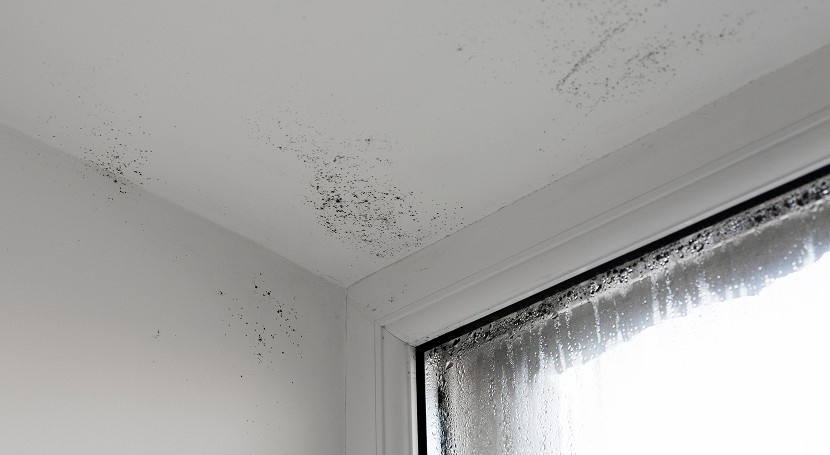
A) Condensation damp (most common)
Water droplets on windows in the morning
Mould in corners/behind furniture
Worse in bedrooms/bathrooms/kitchens
Condensation is basically moisture in the air settling on cold surfaces.
B) Penetrating damp (water coming through the building)
Localised patch that grows after rain
Staining on ceilings, chimney breasts, external walls
Flaking paint / crumbling plaster in one area
Common culprits: roof/gutters, cracked render, gaps around windows.
C) Plumbing leaks
Damp patch that grows regardless of weather
Musty smell in one area
Warped skirting, bubbling paint near pipe runs
If it’s B or C, ventilation alone won’t solve it. You need the source fixed.
Step 2: “Today fixes” that make a difference within 48 hours
These are practical actions supported by mainstream housing advice: reduce moisture generation and improve ventilation.
In the bathroom
Run the extractor during showers and for 15–20 minutes after
Keep the bathroom door shut during bathing
Wipe down tiles/glass to remove water sitting on surfaces
In the kitchen
Use lids on pans
Always use extractor/hood (and check it actually vents outside, if applicable)
Avoid drying clothes in the kitchen (it’s a moisture bomb)
In bedrooms/living rooms
Don’t push furniture tight against outside walls (leave a small gap for airflow)
Do short “purge ventilation” (open windows wide for 5–10 minutes) rather than keeping one cracked all day in winter
Laundry
Drying clothes indoors can significantly worsen condensation; if you must do it, ventilate the room and keep doors closed to stop moisture spreading.
Step 3: Check your ventilation “hardware” (the stuff that’s meant to do the work)
A lot of homes technically have ventilation, it’s just not working properly.
Extractor fans
Do they switch on reliably?
Are they weak/noisy (often a sign they’re blocked or failing)?
Is there a proper vent route, or is it just recirculating?
Trickle vents / background ventilation
Approved Document F is the UK’s guidance on meeting Building Regulations for ventilation.
The key point for homeowners: there are multiple ways to ventilate a home properly; it’s not “one product fixes all.”
If you suspect your home simply can’t cope with normal living moisture, that’s often a whole-house ventilation conversation, not a window-opening one.
Step 4: The “cold surface” test (why your windows are always wet)
Condensation happens when warm, moist air hits a colder surface. You can reduce it by:
improving airflow, and/or
reducing humidity, and/or
making the surface warmer (insulation, sealing draughts, fixing gaps)
If you’ve got draughty windows, failed seals or gaps around frames, fixing those can reduce cold spots and improve comfort.
Explore our window repair and sealing services.
Step 5: Know when it’s not “your fault” anymore
If you’ve done Steps 1–4 and mould keeps returning, it’s usually one of these:
hidden leak (roof, pipework, guttering),
inadequate extraction (especially bathrooms without proper ventilation),
insulation issues creating cold bridges,
or a ventilation system that isn’t suited to the building.
This aligns with mainstream housing guidance that persistent condensation often requires addressing underlying ventilation/insulation issues rather than just day to day habits.
A “shareable” mould checklist you can send to a friend
Download our damp & mould Checklist.
When to get professional help
Get advice if:
mould is spreading quickly,
you have a recurring damp patch,
there’s a musty smell you can’t locate,
you’ve got respiratory issues or vulnerable people in the home.
Health guidance highlights that mould can produce allergens and irritants and damp/mould exposure can affect respiratory health.
How Barry Turner & Son can help
We’re not here to tell you to “open a window” and disappear. We can help you identify the cause and fix the root issue, whether that’s:
repairing water ingress (roof/guttering/window seals),
upgrading extraction,
improving ventilation approaches aligned with Building Regs guidance,
or handling urgent repairs if damp is linked to leaks.
If you want a professional opinion, get in touch and we’ll point you in the right direction.
BARRY TURNER & SON
Other News
01