Ventilation Upgrades That Actually Reduce Condensation
Ventilation Upgrades
Table of Contents
If you’re dealing with wet windows, musty smells, or mould that keeps returning, you don’t need random hacks. You need the right ventilation for your home and your habits.
This guide answers the real question people search for: “Which ventilation solution should I choose?” and it’s based on Building Regulations guidance and mainstream housing and energy advice.
If you want the quick actions first, start with Awaab’s Law and Damp/Mould: The 2026 Ventilation Checklist.
What should I install to reduce condensation?
Most homes get the biggest improvement from:
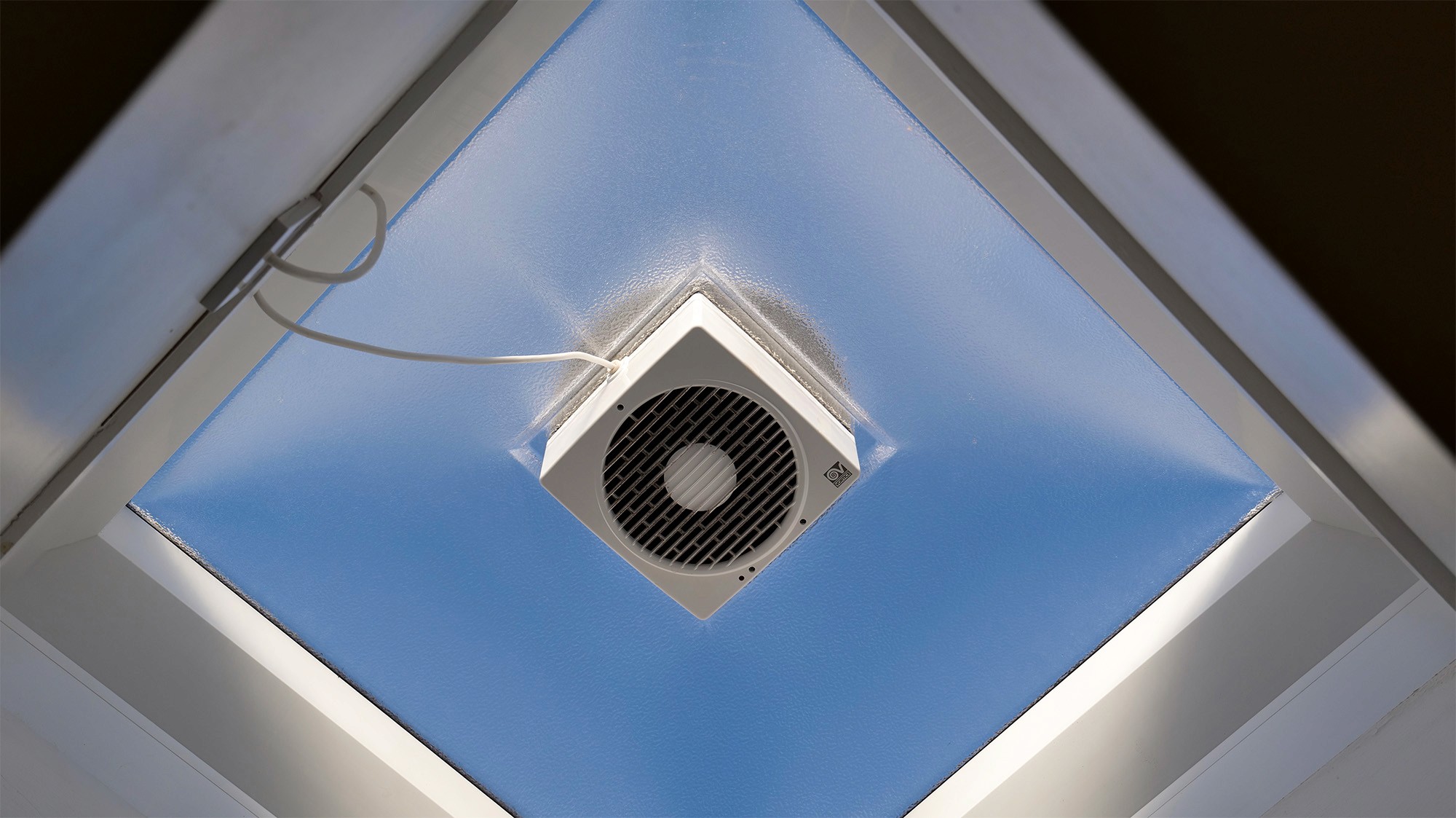
Proper extraction in bathrooms and kitchens (fan that actually moves moisture out)
Background ventilation (trickle vents or equivalent)
A whole-home option like PIV if condensation is widespread, especially bedrooms
This aligns with how ventilation is set out in Approved Document F, which covers background ventilators plus extract ventilation as common approaches in dwellings.
Step 1: choose the right system using this simple decision path
If condensation is mainly in one room
Bathroom after showers → upgrade the bathroom extractor
Kitchen during cooking → upgrade the cooker hood or kitchen extract
One bedroom in winter → check trickle vents, airflow around furniture, and whether moisture is building up overnight
Energy Saving Trust covers the basics here: trickle vents and extract fans are core tools for improving home ventilation.
If you see condensation across multiple rooms
You likely need background ventilation + better extraction
If it still persists, consider a whole-home system such as PIV
Good ventilation and air circulation are repeatedly emphasised in NHS materials on damp and condensation prevention.
If you’ve sealed draughts and things got worse
This is common. Draught proofing reduces uncontrolled air leakage, but you still need controlled ventilation. Energy Saving Trust explicitly points out that controlled ventilation helps reduce condensation, while draughts are uncontrolled.
Option 1: extractor fans
Best for bathrooms, en suites, utility rooms and kitchens
Choose extractor upgrades when:
Mirrors stay fogged long after a shower
The bathroom smells damp even when “clean”
Cooking steam spreads through the house
You keep wiping windows in the morning and the air feels heavy
Approved Document F includes guidance for extract ventilation and background ventilators as a typical route in dwellings.
What “good extraction” actually means in real life
The fan is vented to the outside, not into a loft void
It runs for long enough to clear moisture (during and after)
It is the right type for the room and usage pattern (intermittent or continuous)
Energy Saving Trust explains intermittent extract ventilation (bathroom fans and cooker hoods) and continuous extract systems as the main categories.
Common extractor mistakes that stop it working
Fan is weak, old, clogged, or noisy so people avoid using it
Extract duct is too long or poorly routed so airflow drops
The door is left open during showers so steam spreads
Cooker hood recirculates and never removes moisture outside
If your issue is mainly bathroom or kitchen related, extraction is usually the first upgrade that makes the home feel different within days.
Option 2: trickle vents and background ventilation
Best for ongoing airflow without leaving windows wide open
Choose trickle vents or background vents when:
Condensation shows up overnight, especially in bedrooms
You tend to keep windows shut in winter
The home feels stale or you get recurring corner mould
Approved Document F FAQ makes clear background ventilators can be provided through appropriate means, including through walls if equivalent performance is achieved.
What to know before you rely on trickle vents
Trickle vents support background ventilation
They work best alongside proper extraction in wet rooms
Closing them can undo the whole setup
NHS guidance commonly recommends keeping small vents open and using fans and vents to manage moisture.
Option 3: PIV
Best for whole-home condensation, especially bedrooms and older homes with limited airflow
PIV stands for Positive Input Ventilation. It brings filtered air into the home continuously, helping dilute moisture and push stale humid air out through natural leakage points.
A UK industry guide on ventilation in dwellings includes PIV as an option and places it within whole-dwelling ventilation approaches.
Choose PIV when:
Condensation is widespread, not just one room
Bedrooms are the worst, especially morning wet windows
You’ve improved extraction but still get mould corners
The home is occupied heavily (laundry indoors, lots of showers, busy family life)
PIV works best when this is also true
Bathrooms and kitchens still have functioning extract ventilation
Trickle vents are not permanently sealed
You control moisture sources (lids on pans, sensible laundry habits)
Energy Saving Trust’s damp and condensation guidance highlights reducing moisture and improving ventilation as the practical route to lower condensation risk.
The most effective setup in practice
It’s often not “one system”
For many homes, the best results come from a combo:
Extraction where moisture is created
Background ventilation for steady airflow
Whole-home support if condensation is persistent across rooms
That structure lines up with Approved Document F’s overall approach to ventilating dwellings through background ventilators and extract ventilation.
The mistakes that keep condensation coming back
These show up constantly:
Trying to fix moisture with heat alone
Heating helps surfaces warm up, but you still need moisture removal and airflow.Covering mould without fixing the cause
If moisture stays, mould returns.Sealing every gap then forgetting ventilation
Draught proofing helps comfort, but you still need controlled ventilation.Extractor fans that don’t actually extract
A fan that is noisy, clogged, badly ducted, or not vented outside will never win.
The quick “what should I do next?” checklist
Use this before you buy or install anything.
Check this today
Do bathroom and kitchen fans actually pull steam out?
Are trickle vents open where fitted?
Are you drying laundry indoors without extraction or airflow?
If condensation is mainly one room
Upgrade extraction for that room first
If it’s whole-house
Improve extraction + background ventilation
Consider PIV if it’s still persistent
FAQs
Is condensation only a winter problem?
It’s more visible in winter because surfaces are colder, but the root cause is indoor moisture meeting cold surfaces.
Are trickle vents enough on their own?
Often no. They support background ventilation but wet rooms still need extraction to remove moisture at source.
Is damp and mould a health issue?
It can be. GOV.UK guidance highlights health risks from damp and mould and the need to respond quickly and prevent recurrence.
Want us to assess the right upgrade for your home?
If you want a clear recommendation based on your layout, moisture sources, and current setup:
And if you haven’t already, start with the practical basics here: Awaab’s Law and Damp/Mould: The 2026 Ventilation Checklist
BARRY TURNER & SON
Other News
01