School Drainage system cleaned and maintaned by Better Than The Pest

Plumbing Routine

School Drainage system cleaned and maintaned by Better Than The Pest

Plumbing Routine

Table of Contents

No anchors found on page.

Blocked drains rarely happen “out of nowhere”. Most start as small habits: a bit of cooking grease here, a few wipes there, hair building up slowly, food scraps slipping past the plughole.

This guide is designed for one thing: help you prevent blockages and spot leaks early, without turning you into a full-time plumber.

If you’re dealing with an active leak right now and you’re not sure if it’s urgent, start with Is This an Emergency Repair? A Simple Home Decision Tree.

What should I do first if my drain is slow?

  1. Stop using that drain for 30 minutes (give it a chance to clear).

  2. Remove visible debris (hair, food, gunk at the plughole).

  3. Try hot water (not boiling) + a plunger if it’s a sink or shower.

  4. If more than one drain is backing up, or you see water rising in an outside drain, treat it as a bigger blockage and get it checked.

WaterSafe’s DIY advice includes using hot (not boiling) water, and a simple baking soda + vinegar method for sinks (helpful for minor build-up, not major blockages).

If you want a proper fix without guesswork, you can book help via Domestic Services or for urgent situations 24/7 Emergency Home Repair.

How do I know if my drain is blocked or just a bit slow?

Signs it’s a minor build-up (usually fixable with basic steps)

  • Water drains away, just slowly

  • The problem is only in one fixture (one sink, one shower)

  • No outside drain overflow

Signs it’s likely a bigger blockage (book it in)

  • Two or more fixtures are slow or backing up

  • Toilet is slow to flush and the shower gurgles

  • Bad smells that keep returning

  • Outside drain cover area has standing water

WaterSafe has a good rule of thumb: if only one fixture is affected, it may be local; if multiple are affected, it can point to a wider drainage issue.

The weekly plumbing routine (10 minutes, once a week)

1) Kitchen sink: stop the build-up before it becomes a blockage

  • Empty the plughole strainer (daily if you cook a lot).

  • Run hot water for 20–30 seconds after washing up.

  • If you use a dishwasher, check the sink is draining freely first (dishwasher waste often feeds into the same route).

Thames Water’s “Bin it” advice is blunt for a reason: hot water and washing up liquid do not stop grease and scraps building up in pipes long-term.

2) Bathroom: hair is the quiet culprit

  • Pull hair from the shower plughole trap/cover.

  • Check the bath drains freely (slow bath drains are often early warning).

  • If the bathroom smells “drainy” after water runs, note it. Repeating smells are a clue.

3) Under-sink leak check (the early warning most people skip)

Open the cupboard and do this:

  • Run cold water for 15 seconds, then hot for 15 seconds

  • Feel around the trap/U-bend, waste pipe connections, and isolation valves

  • Look for: damp patches, swelling chipboard, greenish staining on copper, white crust on joints

Small weeps become big problems when left alone, especially in cupboards where they’re easy to miss.

4) Outside drain glance (30 seconds that saves drama)

If you have an external gully/drain:

  • Look for standing water when nothing is running

  • Look for slow “swirl” drainage after a sink empties

  • If safe to do so, lift a cover only if you know it’s light and accessible, and only for a quick look (do not go poking around in deep drains)

WaterSafe recommends checking for visible signs of blockage around the drain cover and looking for stagnant/standing water.

What should I never pour down the sink? (Save this list)

This is where most blocked kitchen drains start.

Never pour these down the sink

  • Fats, oils and grease (even “liquid” oil or meat juices)

  • Gravy, sauces, custard, cream (they congeal and bind to pipe walls)

  • Coffee grounds

  • Rice, pasta, flour, mash (they expand and clump)

  • Paint, plaster, grout water

  • Anything described as “it’ll rinse away”

Water UK explains that fats, oils and grease combine with items like wipes and cotton buds to create sewer blockages (fatbergs).
Thames Water gives practical disposal advice: let fats/oils cool and put them in the bin, and scrape leftovers into the bin rather than rinsing them away.

What should I never flush down the toilet?

The simplest rule is still the best: only pee, poo and toilet paper.

Even if something says “flushable”, the safest habit is to bin it. The UK government has specifically advised people to bin wet wipes (even if labelled flushable) to reduce blockages, and it announced a law banning plastic wet wipes.

Water UK also flags wipes and sanitary products as major contributors to sewer blockages.

How can I unblock a sink safely without making it worse?

If it’s a single sink and it’s not overflowing:

Step 1: Plunger (works more often than people think)

  • Plug the overflow hole with a damp cloth

  • Add enough water to cover the plunger cup

  • Plunge in short, firm bursts

Step 2: Hot (not boiling) water + baking soda + vinegar (minor build-up)

WaterSafe’s method:

  • Remove standing water

  • Add baking soda, then vinegar, wait, then flush with hot (not boiling) water

Step 3: U-bend check (only if you’re comfortable)

  • Put a bowl underneath

  • Unscrew carefully and clear debris

  • Refit and test slowly

Stop and book help if:

  • More than one fixture is affected

  • It keeps blocking again quickly

  • You see any sign of leakage under pressure

For help that doesn’t involve trial-and-error, use Domestic Services, and if it’s urgent 24/7 Emergency Home Repair.

When does a blocked drain become an emergency?

It’s usually urgent when:

  • Water is backing up and you can’t stop it

  • There’s flooding risk

  • You suspect water is near electrics

  • You have sewage backing up or outside drain overflow

Use the calm checklist here first: Is This an Emergency Repair?.
If you need a fast response, go straight to 24/7 Emergency Home Repair.

Why do blocked drains often come back?

Usually one of these:

  • Grease is still going down the sink (it re-binds to pipe walls)

  • No strainer, so scraps keep entering the system

  • Hair build-up is ongoing in showers

  • There’s a partial restriction further along the line (especially if multiple fixtures are affected)

This is why “quick chemical fixes” can feel like they work, then the problem returns. Prevention beats repeat blockages.

The shareable checklist

Every week (10 minutes)

  • Empty and rinse plughole strainers

  • Remove hair from shower/bath drains

  • Run a quick under-sink leak check

  • Quick outside drain glance for standing water

Every day (tiny habits)

  • Scrape plates into the bin, not the sink

  • Bin fats/oils/grease after cooling

  • Only flush pee, poo and toilet paper

Need it sorted properly?

If you want us to diagnose the cause and fix it cleanly:

Trustworthy sources used

6 Feb 2026

Blocked Drains and Leaks: A Simple Weekly Plumbing Routine
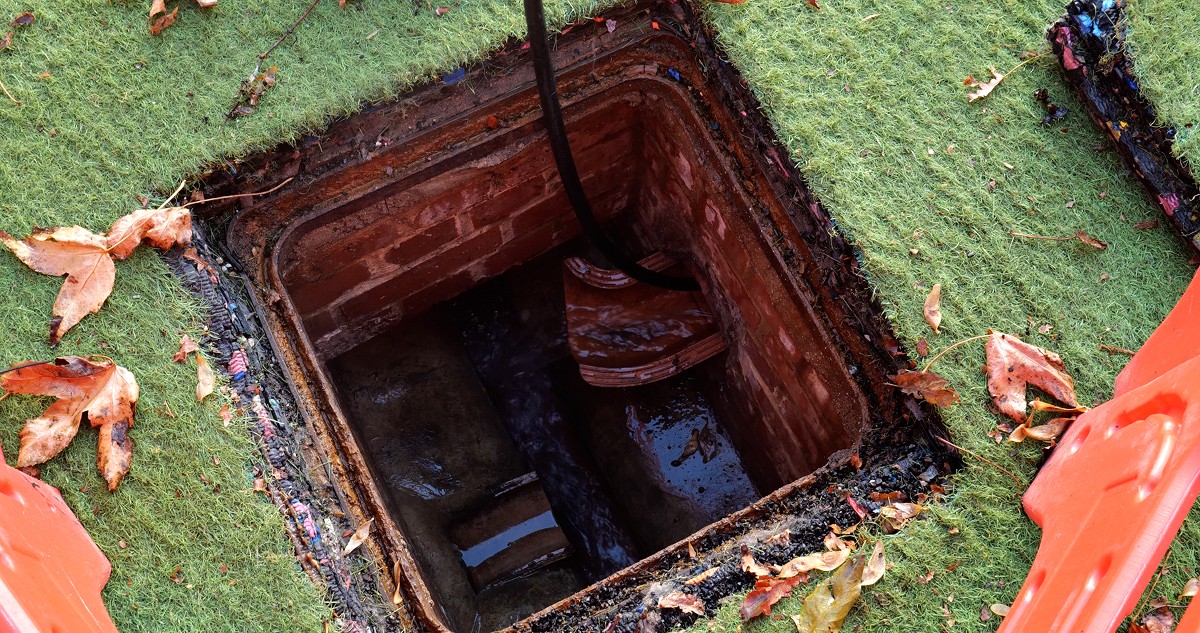
School Drainage system cleaned and maintaned by Better Than The Pest

Plumbing Routine

Table of Contents

No anchors found on page.

Blocked drains rarely happen “out of nowhere”. Most start as small habits: a bit of cooking grease here, a few wipes there, hair building up slowly, food scraps slipping past the plughole.

This guide is designed for one thing: help you prevent blockages and spot leaks early, without turning you into a full-time plumber.

If you’re dealing with an active leak right now and you’re not sure if it’s urgent, start with Is This an Emergency Repair? A Simple Home Decision Tree.

What should I do first if my drain is slow?

  1. Stop using that drain for 30 minutes (give it a chance to clear).

  2. Remove visible debris (hair, food, gunk at the plughole).

  3. Try hot water (not boiling) + a plunger if it’s a sink or shower.

  4. If more than one drain is backing up, or you see water rising in an outside drain, treat it as a bigger blockage and get it checked.

WaterSafe’s DIY advice includes using hot (not boiling) water, and a simple baking soda + vinegar method for sinks (helpful for minor build-up, not major blockages).

If you want a proper fix without guesswork, you can book help via Domestic Services or for urgent situations 24/7 Emergency Home Repair.

How do I know if my drain is blocked or just a bit slow?

Signs it’s a minor build-up (usually fixable with basic steps)

  • Water drains away, just slowly

  • The problem is only in one fixture (one sink, one shower)

  • No outside drain overflow

Signs it’s likely a bigger blockage (book it in)

  • Two or more fixtures are slow or backing up

  • Toilet is slow to flush and the shower gurgles

  • Bad smells that keep returning

  • Outside drain cover area has standing water

WaterSafe has a good rule of thumb: if only one fixture is affected, it may be local; if multiple are affected, it can point to a wider drainage issue.

The weekly plumbing routine (10 minutes, once a week)

1) Kitchen sink: stop the build-up before it becomes a blockage

  • Empty the plughole strainer (daily if you cook a lot).

  • Run hot water for 20–30 seconds after washing up.

  • If you use a dishwasher, check the sink is draining freely first (dishwasher waste often feeds into the same route).

Thames Water’s “Bin it” advice is blunt for a reason: hot water and washing up liquid do not stop grease and scraps building up in pipes long-term.

2) Bathroom: hair is the quiet culprit

  • Pull hair from the shower plughole trap/cover.

  • Check the bath drains freely (slow bath drains are often early warning).

  • If the bathroom smells “drainy” after water runs, note it. Repeating smells are a clue.

3) Under-sink leak check (the early warning most people skip)

Open the cupboard and do this:

  • Run cold water for 15 seconds, then hot for 15 seconds

  • Feel around the trap/U-bend, waste pipe connections, and isolation valves

  • Look for: damp patches, swelling chipboard, greenish staining on copper, white crust on joints

Small weeps become big problems when left alone, especially in cupboards where they’re easy to miss.

4) Outside drain glance (30 seconds that saves drama)

If you have an external gully/drain:

  • Look for standing water when nothing is running

  • Look for slow “swirl” drainage after a sink empties

  • If safe to do so, lift a cover only if you know it’s light and accessible, and only for a quick look (do not go poking around in deep drains)

WaterSafe recommends checking for visible signs of blockage around the drain cover and looking for stagnant/standing water.

What should I never pour down the sink? (Save this list)

This is where most blocked kitchen drains start.

Never pour these down the sink

  • Fats, oils and grease (even “liquid” oil or meat juices)

  • Gravy, sauces, custard, cream (they congeal and bind to pipe walls)

  • Coffee grounds

  • Rice, pasta, flour, mash (they expand and clump)

  • Paint, plaster, grout water

  • Anything described as “it’ll rinse away”

Water UK explains that fats, oils and grease combine with items like wipes and cotton buds to create sewer blockages (fatbergs).
Thames Water gives practical disposal advice: let fats/oils cool and put them in the bin, and scrape leftovers into the bin rather than rinsing them away.

What should I never flush down the toilet?

The simplest rule is still the best: only pee, poo and toilet paper.

Even if something says “flushable”, the safest habit is to bin it. The UK government has specifically advised people to bin wet wipes (even if labelled flushable) to reduce blockages, and it announced a law banning plastic wet wipes.

Water UK also flags wipes and sanitary products as major contributors to sewer blockages.

How can I unblock a sink safely without making it worse?

If it’s a single sink and it’s not overflowing:

Step 1: Plunger (works more often than people think)

  • Plug the overflow hole with a damp cloth

  • Add enough water to cover the plunger cup

  • Plunge in short, firm bursts

Step 2: Hot (not boiling) water + baking soda + vinegar (minor build-up)

WaterSafe’s method:

  • Remove standing water

  • Add baking soda, then vinegar, wait, then flush with hot (not boiling) water

Step 3: U-bend check (only if you’re comfortable)

  • Put a bowl underneath

  • Unscrew carefully and clear debris

  • Refit and test slowly

Stop and book help if:

  • More than one fixture is affected

  • It keeps blocking again quickly

  • You see any sign of leakage under pressure

For help that doesn’t involve trial-and-error, use Domestic Services, and if it’s urgent 24/7 Emergency Home Repair.

When does a blocked drain become an emergency?

It’s usually urgent when:

  • Water is backing up and you can’t stop it

  • There’s flooding risk

  • You suspect water is near electrics

  • You have sewage backing up or outside drain overflow

Use the calm checklist here first: Is This an Emergency Repair?.
If you need a fast response, go straight to 24/7 Emergency Home Repair.

Why do blocked drains often come back?

Usually one of these:

  • Grease is still going down the sink (it re-binds to pipe walls)

  • No strainer, so scraps keep entering the system

  • Hair build-up is ongoing in showers

  • There’s a partial restriction further along the line (especially if multiple fixtures are affected)

This is why “quick chemical fixes” can feel like they work, then the problem returns. Prevention beats repeat blockages.

The shareable checklist

Every week (10 minutes)

  • Empty and rinse plughole strainers

  • Remove hair from shower/bath drains

  • Run a quick under-sink leak check

  • Quick outside drain glance for standing water

Every day (tiny habits)

  • Scrape plates into the bin, not the sink

  • Bin fats/oils/grease after cooling

  • Only flush pee, poo and toilet paper

Need it sorted properly?

If you want us to diagnose the cause and fix it cleanly:

Trustworthy sources used

6 Feb 2026

Blocked Drains and Leaks: A Simple Weekly Plumbing Routine

School Drainage system cleaned and maintaned by Better Than The Pest

Plumbing Routine

Table of Contents

No anchors found on page.

Blocked drains rarely happen “out of nowhere”. Most start as small habits: a bit of cooking grease here, a few wipes there, hair building up slowly, food scraps slipping past the plughole.

This guide is designed for one thing: help you prevent blockages and spot leaks early, without turning you into a full-time plumber.

If you’re dealing with an active leak right now and you’re not sure if it’s urgent, start with Is This an Emergency Repair? A Simple Home Decision Tree.

What should I do first if my drain is slow?

  1. Stop using that drain for 30 minutes (give it a chance to clear).

  2. Remove visible debris (hair, food, gunk at the plughole).

  3. Try hot water (not boiling) + a plunger if it’s a sink or shower.

  4. If more than one drain is backing up, or you see water rising in an outside drain, treat it as a bigger blockage and get it checked.

WaterSafe’s DIY advice includes using hot (not boiling) water, and a simple baking soda + vinegar method for sinks (helpful for minor build-up, not major blockages).

If you want a proper fix without guesswork, you can book help via Domestic Services or for urgent situations 24/7 Emergency Home Repair.

How do I know if my drain is blocked or just a bit slow?

Signs it’s a minor build-up (usually fixable with basic steps)

  • Water drains away, just slowly

  • The problem is only in one fixture (one sink, one shower)

  • No outside drain overflow

Signs it’s likely a bigger blockage (book it in)

  • Two or more fixtures are slow or backing up

  • Toilet is slow to flush and the shower gurgles

  • Bad smells that keep returning

  • Outside drain cover area has standing water

WaterSafe has a good rule of thumb: if only one fixture is affected, it may be local; if multiple are affected, it can point to a wider drainage issue.

The weekly plumbing routine (10 minutes, once a week)

1) Kitchen sink: stop the build-up before it becomes a blockage

  • Empty the plughole strainer (daily if you cook a lot).

  • Run hot water for 20–30 seconds after washing up.

  • If you use a dishwasher, check the sink is draining freely first (dishwasher waste often feeds into the same route).

Thames Water’s “Bin it” advice is blunt for a reason: hot water and washing up liquid do not stop grease and scraps building up in pipes long-term.

2) Bathroom: hair is the quiet culprit

  • Pull hair from the shower plughole trap/cover.

  • Check the bath drains freely (slow bath drains are often early warning).

  • If the bathroom smells “drainy” after water runs, note it. Repeating smells are a clue.

3) Under-sink leak check (the early warning most people skip)

Open the cupboard and do this:

  • Run cold water for 15 seconds, then hot for 15 seconds

  • Feel around the trap/U-bend, waste pipe connections, and isolation valves

  • Look for: damp patches, swelling chipboard, greenish staining on copper, white crust on joints

Small weeps become big problems when left alone, especially in cupboards where they’re easy to miss.

4) Outside drain glance (30 seconds that saves drama)

If you have an external gully/drain:

  • Look for standing water when nothing is running

  • Look for slow “swirl” drainage after a sink empties

  • If safe to do so, lift a cover only if you know it’s light and accessible, and only for a quick look (do not go poking around in deep drains)

WaterSafe recommends checking for visible signs of blockage around the drain cover and looking for stagnant/standing water.

What should I never pour down the sink? (Save this list)

This is where most blocked kitchen drains start.

Never pour these down the sink

  • Fats, oils and grease (even “liquid” oil or meat juices)

  • Gravy, sauces, custard, cream (they congeal and bind to pipe walls)

  • Coffee grounds

  • Rice, pasta, flour, mash (they expand and clump)

  • Paint, plaster, grout water

  • Anything described as “it’ll rinse away”

Water UK explains that fats, oils and grease combine with items like wipes and cotton buds to create sewer blockages (fatbergs).
Thames Water gives practical disposal advice: let fats/oils cool and put them in the bin, and scrape leftovers into the bin rather than rinsing them away.

What should I never flush down the toilet?

The simplest rule is still the best: only pee, poo and toilet paper.

Even if something says “flushable”, the safest habit is to bin it. The UK government has specifically advised people to bin wet wipes (even if labelled flushable) to reduce blockages, and it announced a law banning plastic wet wipes.

Water UK also flags wipes and sanitary products as major contributors to sewer blockages.

How can I unblock a sink safely without making it worse?

If it’s a single sink and it’s not overflowing:

Step 1: Plunger (works more often than people think)

  • Plug the overflow hole with a damp cloth

  • Add enough water to cover the plunger cup

  • Plunge in short, firm bursts

Step 2: Hot (not boiling) water + baking soda + vinegar (minor build-up)

WaterSafe’s method:

  • Remove standing water

  • Add baking soda, then vinegar, wait, then flush with hot (not boiling) water

Step 3: U-bend check (only if you’re comfortable)

  • Put a bowl underneath

  • Unscrew carefully and clear debris

  • Refit and test slowly

Stop and book help if:

  • More than one fixture is affected

  • It keeps blocking again quickly

  • You see any sign of leakage under pressure

For help that doesn’t involve trial-and-error, use Domestic Services, and if it’s urgent 24/7 Emergency Home Repair.

When does a blocked drain become an emergency?

It’s usually urgent when:

  • Water is backing up and you can’t stop it

  • There’s flooding risk

  • You suspect water is near electrics

  • You have sewage backing up or outside drain overflow

Use the calm checklist here first: Is This an Emergency Repair?.
If you need a fast response, go straight to 24/7 Emergency Home Repair.

Why do blocked drains often come back?

Usually one of these:

  • Grease is still going down the sink (it re-binds to pipe walls)

  • No strainer, so scraps keep entering the system

  • Hair build-up is ongoing in showers

  • There’s a partial restriction further along the line (especially if multiple fixtures are affected)

This is why “quick chemical fixes” can feel like they work, then the problem returns. Prevention beats repeat blockages.

The shareable checklist

Every week (10 minutes)

  • Empty and rinse plughole strainers

  • Remove hair from shower/bath drains

  • Run a quick under-sink leak check

  • Quick outside drain glance for standing water

Every day (tiny habits)

  • Scrape plates into the bin, not the sink

  • Bin fats/oils/grease after cooling

  • Only flush pee, poo and toilet paper

Need it sorted properly?

If you want us to diagnose the cause and fix it cleanly:

Trustworthy sources used

SEO: Dynamic Breadcrumb Data
Auto-detecting current URL
Converts URL like: example.com/blog/category/post
To breadcrumbs: Home → Blog → Category → Post