Barry Turner and Son Ltd doing responding to a 24/7 emergency call-out in London

Emergency Repairs

Barry Turner and Son Ltd doing responding to a 24/7 emergency call-out in London

Emergency Repairs

Table of Contents

No anchors found on page.

Sometimes you just need a calm answer to one question: do I need to call someone right now, or can this wait until morning?

This guide gives you a simple decision tree for the three most common “panic moments” in a home:

  • Water leaks

  • Power loss and electrical faults

  • Security issues

No scare tactics. Just clear steps and safe next moves.

Quick answer: the 30-second emergency test

Treat it as an emergency (call for urgent help now) if any of these are true:

  • There is danger to life or someone is injured

  • You smell gas

  • There is water near electrics (for example leaking through a light fitting)

  • You see smoke, burning smells, scorching, buzzing, or crackling from electrics

  • There is active flooding entering the property

  • A serious crime is happening now, or someone is on your property

For genuine emergencies involving crime in progress or immediate danger, police guidance is to call 999. 101 is for non-emergency contact.

Decision tree 1: leaks, burst pipes and water where it should not be

Step 1: Is the leak active right now?

  • Yes, water is coming through and spreading → go to Step 2

  • No, it’s old staining or damp that comes and goes → skip to Step 5

Step 2: Is water anywhere near electrics?

Examples:

  • water coming through a ceiling light

  • water running near sockets, a consumer unit, or visible wiring

If yes: treat this as urgent. Water and electrics do not mix. Electrical Safety First advises switching off the supply at the fuse box if safe to do so, and getting professional advice if there are signs of arcing or overheating.

Do now

  1. If safe, switch off electricity at the consumer unit

  2. Keep everyone away from the area

  3. Call for urgent help

If you need urgent support: 24/7 Emergency Home Repair.

Step 3: Can you stop the water quickly?

If it’s a plumbing leak or burst pipe, your best move is usually to turn off the water supply.

WaterSafe explains how to turn off your internal stop tap and reminds you to turn it slowly and not force it.

Do now

  • Find your internal stop tap and turn clockwise to close

  • Open cold taps briefly to relieve pressure

  • Catch drips with towels and a bucket

Tip: Thames Water also explains that using your inside stop valve is usually the quickest option for turning water off at home.

Step 4: Is the leak linked to weather or the roof?

If water appears after heavy rain, or you have stains that grow during storms, the source can be higher up than you think (roof tiles, flashing, gutters, chimney details).

If the leak is “mysterious” or hard to see safely, a survey can help. Here’s a useful companion read: Drone Roof Surveys: What You Get, When to Book One, and How It Can Save You a Headache.

Step 5: When a leak is urgent vs can wait

Usually urgent

  • Water near electrics

  • Water entering fast, spreading across floors

  • Ceiling bulging or bowing

  • You cannot locate the stop tap or the leak will not stop

Often can wait (but still needs booking)

  • A slow drip under a sink you can contain

  • A small stain that is not growing and is dry to touch

  • Minor silicone failure around a bath that is not actively leaking

If you are unsure, it is safer to treat active leaks as urgent, isolate what you can, and get help.

Decision tree 2: power loss, tripping electrics and “that burning smell”

First, separate a power cut from a fault inside your home.

Step 1: Is it just your home, or the street too?

  • Ask a neighbour or check street lighting where possible

  • If it looks like a wider outage, call 105 in Great Britain to reach your local electricity network operator.

You can also follow standard advice from National Grid’s power cut guidance to check whether it’s a supply issue or your home electrics before you start resetting anything.

Step 2: If it’s only your home, check for danger signs

Treat it as urgent if you notice:

  • burning smell

  • scorch marks

  • buzzing or crackling

  • smoke

  • hot sockets or switches

HSE notes that electricity can cause serious injury, and safe precautions reduce risk. If you see signs of overheating, do not keep trying to “reset and hope”.

Step 3: If your consumer unit keeps tripping

If your RCD keeps tripping, Electrical Safety First says it likely indicates a fault with an appliance or the wiring and should be investigated by a registered electrician.

Safe, sensible steps

  1. Unplug appliances in the affected area

  2. Reset once

  3. Plug items back in one at a time to see if a specific appliance triggers it

  4. If it trips again, stop and get it checked

Step 4: If you have partial power loss

Partial loss (some sockets dead, lights working, or vice versa) can indicate a circuit issue. If you smell burning or see heat damage, treat as urgent.

If you want a deeper guide on warning signs and what an electrical report actually tells you, read: Does My House Need Rewiring? 7 Warning Signs and What an EICR Really Tells You.

Decision tree 3: security issues and “do I call the police or a repair team?”

Step 1: Is a crime happening now or someone is on your property?

If yes, call 999. Police guidance lists 999 for serious offences in progress, immediate danger, or property at risk of being damaged.

Step 2: If it has already happened and you need advice or to report

Use 101 for non-emergency enquiries and reporting when it’s not urgent.

Step 3: Make the home safe

Once everyone is safe and the police advice is followed (if needed), the next practical priorities are:

  • secure doors and windows

  • temporary boarding or lock changes if required

  • exterior lighting checks

  • checking sheds, side gates and access points

If you need urgent repairs after a break-in or damage, use 24/7 Emergency Home Repair.

The “do this first” checklist (save this)

Keep these basics in one place

  • A torch (and spare batteries)

  • Your stop tap location

  • The main electrical shut-off location (consumer unit)

  • A phone charger or power bank

If water is pouring in

  • Turn off water at the stop tap if possible (turn slowly, do not force)

  • Keep water away from electrics

  • If flooding is involved, GOV.UK advice includes turning off utilities if safe and avoiding electrical switches if standing in water.

If electrics seem unsafe

  • If safe, switch off power at the consumer unit

  • Do not touch anything that looks scorched or wet

  • If water has entered the fuse box or there are signs of overheating, seek professional advice before doing anything further

If you smell gas

Call the National Gas Emergency Service on 0800 111 999. National Gas lists immediate steps such as opening doors and windows, not smoking, and not operating electrical switches.

FAQs

How do I know if it’s a power cut or my electrics?

If neighbours are affected too, it’s likely a power cut. In Great Britain, call 105 to reach your local network operator.

My RCD keeps tripping. Is that an emergency?

If it trips once and resets normally, it can be an appliance issue. If it keeps tripping or you notice burning smells, buzzing, heat, or scorch marks, treat it as urgent. Electrical Safety First advises getting a registered electrician to investigate repeated RCD tripping.

Water is dripping through a ceiling light. What should I do?

Treat it as urgent. Keep people away from the area and switch off power if safe. Electrical Safety First flood guidance includes switching off electricity at the fuse box if safe, and seeking professional advice if there are signs of arcing or overheating.

I can’t turn the stop tap. Should I force it?

No. WaterSafe advises turning it slowly and not forcing it to avoid damage.

When you want help fast

If you need an urgent repair or you are not sure what category your issue falls into, use:

1 Feb 2026

Is This an Emergency Repair? A Simple Home Decision Tree
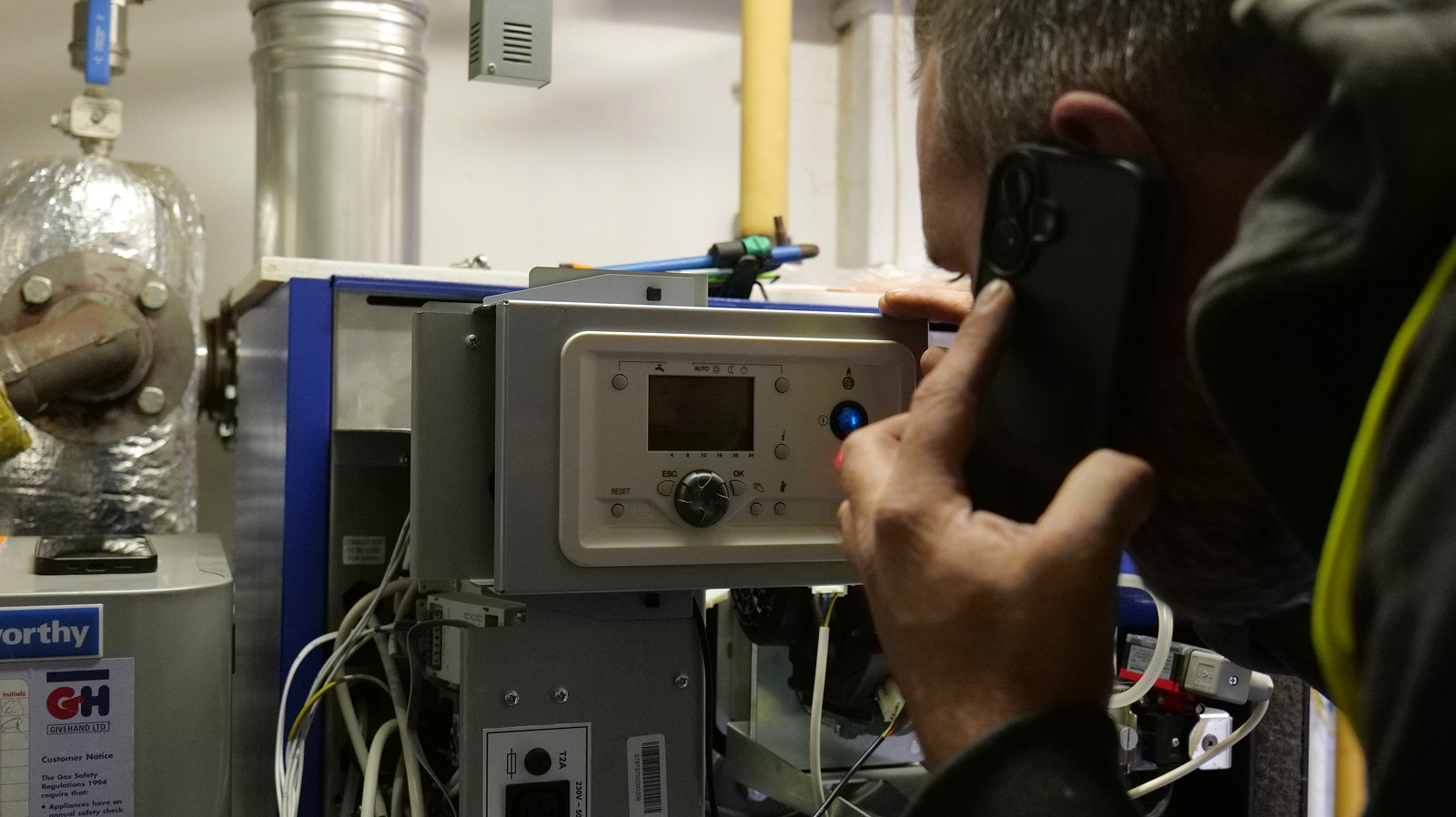
Barry Turner and Son Ltd doing responding to a 24/7 emergency call-out in London

Emergency Repairs

Table of Contents

No anchors found on page.

Sometimes you just need a calm answer to one question: do I need to call someone right now, or can this wait until morning?

This guide gives you a simple decision tree for the three most common “panic moments” in a home:

  • Water leaks

  • Power loss and electrical faults

  • Security issues

No scare tactics. Just clear steps and safe next moves.

Quick answer: the 30-second emergency test

Treat it as an emergency (call for urgent help now) if any of these are true:

  • There is danger to life or someone is injured

  • You smell gas

  • There is water near electrics (for example leaking through a light fitting)

  • You see smoke, burning smells, scorching, buzzing, or crackling from electrics

  • There is active flooding entering the property

  • A serious crime is happening now, or someone is on your property

For genuine emergencies involving crime in progress or immediate danger, police guidance is to call 999. 101 is for non-emergency contact.

Decision tree 1: leaks, burst pipes and water where it should not be

Step 1: Is the leak active right now?

  • Yes, water is coming through and spreading → go to Step 2

  • No, it’s old staining or damp that comes and goes → skip to Step 5

Step 2: Is water anywhere near electrics?

Examples:

  • water coming through a ceiling light

  • water running near sockets, a consumer unit, or visible wiring

If yes: treat this as urgent. Water and electrics do not mix. Electrical Safety First advises switching off the supply at the fuse box if safe to do so, and getting professional advice if there are signs of arcing or overheating.

Do now

  1. If safe, switch off electricity at the consumer unit

  2. Keep everyone away from the area

  3. Call for urgent help

If you need urgent support: 24/7 Emergency Home Repair.

Step 3: Can you stop the water quickly?

If it’s a plumbing leak or burst pipe, your best move is usually to turn off the water supply.

WaterSafe explains how to turn off your internal stop tap and reminds you to turn it slowly and not force it.

Do now

  • Find your internal stop tap and turn clockwise to close

  • Open cold taps briefly to relieve pressure

  • Catch drips with towels and a bucket

Tip: Thames Water also explains that using your inside stop valve is usually the quickest option for turning water off at home.

Step 4: Is the leak linked to weather or the roof?

If water appears after heavy rain, or you have stains that grow during storms, the source can be higher up than you think (roof tiles, flashing, gutters, chimney details).

If the leak is “mysterious” or hard to see safely, a survey can help. Here’s a useful companion read: Drone Roof Surveys: What You Get, When to Book One, and How It Can Save You a Headache.

Step 5: When a leak is urgent vs can wait

Usually urgent

  • Water near electrics

  • Water entering fast, spreading across floors

  • Ceiling bulging or bowing

  • You cannot locate the stop tap or the leak will not stop

Often can wait (but still needs booking)

  • A slow drip under a sink you can contain

  • A small stain that is not growing and is dry to touch

  • Minor silicone failure around a bath that is not actively leaking

If you are unsure, it is safer to treat active leaks as urgent, isolate what you can, and get help.

Decision tree 2: power loss, tripping electrics and “that burning smell”

First, separate a power cut from a fault inside your home.

Step 1: Is it just your home, or the street too?

  • Ask a neighbour or check street lighting where possible

  • If it looks like a wider outage, call 105 in Great Britain to reach your local electricity network operator.

You can also follow standard advice from National Grid’s power cut guidance to check whether it’s a supply issue or your home electrics before you start resetting anything.

Step 2: If it’s only your home, check for danger signs

Treat it as urgent if you notice:

  • burning smell

  • scorch marks

  • buzzing or crackling

  • smoke

  • hot sockets or switches

HSE notes that electricity can cause serious injury, and safe precautions reduce risk. If you see signs of overheating, do not keep trying to “reset and hope”.

Step 3: If your consumer unit keeps tripping

If your RCD keeps tripping, Electrical Safety First says it likely indicates a fault with an appliance or the wiring and should be investigated by a registered electrician.

Safe, sensible steps

  1. Unplug appliances in the affected area

  2. Reset once

  3. Plug items back in one at a time to see if a specific appliance triggers it

  4. If it trips again, stop and get it checked

Step 4: If you have partial power loss

Partial loss (some sockets dead, lights working, or vice versa) can indicate a circuit issue. If you smell burning or see heat damage, treat as urgent.

If you want a deeper guide on warning signs and what an electrical report actually tells you, read: Does My House Need Rewiring? 7 Warning Signs and What an EICR Really Tells You.

Decision tree 3: security issues and “do I call the police or a repair team?”

Step 1: Is a crime happening now or someone is on your property?

If yes, call 999. Police guidance lists 999 for serious offences in progress, immediate danger, or property at risk of being damaged.

Step 2: If it has already happened and you need advice or to report

Use 101 for non-emergency enquiries and reporting when it’s not urgent.

Step 3: Make the home safe

Once everyone is safe and the police advice is followed (if needed), the next practical priorities are:

  • secure doors and windows

  • temporary boarding or lock changes if required

  • exterior lighting checks

  • checking sheds, side gates and access points

If you need urgent repairs after a break-in or damage, use 24/7 Emergency Home Repair.

The “do this first” checklist (save this)

Keep these basics in one place

  • A torch (and spare batteries)

  • Your stop tap location

  • The main electrical shut-off location (consumer unit)

  • A phone charger or power bank

If water is pouring in

  • Turn off water at the stop tap if possible (turn slowly, do not force)

  • Keep water away from electrics

  • If flooding is involved, GOV.UK advice includes turning off utilities if safe and avoiding electrical switches if standing in water.

If electrics seem unsafe

  • If safe, switch off power at the consumer unit

  • Do not touch anything that looks scorched or wet

  • If water has entered the fuse box or there are signs of overheating, seek professional advice before doing anything further

If you smell gas

Call the National Gas Emergency Service on 0800 111 999. National Gas lists immediate steps such as opening doors and windows, not smoking, and not operating electrical switches.

FAQs

How do I know if it’s a power cut or my electrics?

If neighbours are affected too, it’s likely a power cut. In Great Britain, call 105 to reach your local network operator.

My RCD keeps tripping. Is that an emergency?

If it trips once and resets normally, it can be an appliance issue. If it keeps tripping or you notice burning smells, buzzing, heat, or scorch marks, treat it as urgent. Electrical Safety First advises getting a registered electrician to investigate repeated RCD tripping.

Water is dripping through a ceiling light. What should I do?

Treat it as urgent. Keep people away from the area and switch off power if safe. Electrical Safety First flood guidance includes switching off electricity at the fuse box if safe, and seeking professional advice if there are signs of arcing or overheating.

I can’t turn the stop tap. Should I force it?

No. WaterSafe advises turning it slowly and not forcing it to avoid damage.

When you want help fast

If you need an urgent repair or you are not sure what category your issue falls into, use:

1 Feb 2026

Is This an Emergency Repair? A Simple Home Decision Tree

Barry Turner and Son Ltd doing responding to a 24/7 emergency call-out in London

Emergency Repairs

Table of Contents

No anchors found on page.

Sometimes you just need a calm answer to one question: do I need to call someone right now, or can this wait until morning?

This guide gives you a simple decision tree for the three most common “panic moments” in a home:

  • Water leaks

  • Power loss and electrical faults

  • Security issues

No scare tactics. Just clear steps and safe next moves.

Quick answer: the 30-second emergency test

Treat it as an emergency (call for urgent help now) if any of these are true:

  • There is danger to life or someone is injured

  • You smell gas

  • There is water near electrics (for example leaking through a light fitting)

  • You see smoke, burning smells, scorching, buzzing, or crackling from electrics

  • There is active flooding entering the property

  • A serious crime is happening now, or someone is on your property

For genuine emergencies involving crime in progress or immediate danger, police guidance is to call 999. 101 is for non-emergency contact.

Decision tree 1: leaks, burst pipes and water where it should not be

Step 1: Is the leak active right now?

  • Yes, water is coming through and spreading → go to Step 2

  • No, it’s old staining or damp that comes and goes → skip to Step 5

Step 2: Is water anywhere near electrics?

Examples:

  • water coming through a ceiling light

  • water running near sockets, a consumer unit, or visible wiring

If yes: treat this as urgent. Water and electrics do not mix. Electrical Safety First advises switching off the supply at the fuse box if safe to do so, and getting professional advice if there are signs of arcing or overheating.

Do now

  1. If safe, switch off electricity at the consumer unit

  2. Keep everyone away from the area

  3. Call for urgent help

If you need urgent support: 24/7 Emergency Home Repair.

Step 3: Can you stop the water quickly?

If it’s a plumbing leak or burst pipe, your best move is usually to turn off the water supply.

WaterSafe explains how to turn off your internal stop tap and reminds you to turn it slowly and not force it.

Do now

  • Find your internal stop tap and turn clockwise to close

  • Open cold taps briefly to relieve pressure

  • Catch drips with towels and a bucket

Tip: Thames Water also explains that using your inside stop valve is usually the quickest option for turning water off at home.

Step 4: Is the leak linked to weather or the roof?

If water appears after heavy rain, or you have stains that grow during storms, the source can be higher up than you think (roof tiles, flashing, gutters, chimney details).

If the leak is “mysterious” or hard to see safely, a survey can help. Here’s a useful companion read: Drone Roof Surveys: What You Get, When to Book One, and How It Can Save You a Headache.

Step 5: When a leak is urgent vs can wait

Usually urgent

  • Water near electrics

  • Water entering fast, spreading across floors

  • Ceiling bulging or bowing

  • You cannot locate the stop tap or the leak will not stop

Often can wait (but still needs booking)

  • A slow drip under a sink you can contain

  • A small stain that is not growing and is dry to touch

  • Minor silicone failure around a bath that is not actively leaking

If you are unsure, it is safer to treat active leaks as urgent, isolate what you can, and get help.

Decision tree 2: power loss, tripping electrics and “that burning smell”

First, separate a power cut from a fault inside your home.

Step 1: Is it just your home, or the street too?

  • Ask a neighbour or check street lighting where possible

  • If it looks like a wider outage, call 105 in Great Britain to reach your local electricity network operator.

You can also follow standard advice from National Grid’s power cut guidance to check whether it’s a supply issue or your home electrics before you start resetting anything.

Step 2: If it’s only your home, check for danger signs

Treat it as urgent if you notice:

  • burning smell

  • scorch marks

  • buzzing or crackling

  • smoke

  • hot sockets or switches

HSE notes that electricity can cause serious injury, and safe precautions reduce risk. If you see signs of overheating, do not keep trying to “reset and hope”.

Step 3: If your consumer unit keeps tripping

If your RCD keeps tripping, Electrical Safety First says it likely indicates a fault with an appliance or the wiring and should be investigated by a registered electrician.

Safe, sensible steps

  1. Unplug appliances in the affected area

  2. Reset once

  3. Plug items back in one at a time to see if a specific appliance triggers it

  4. If it trips again, stop and get it checked

Step 4: If you have partial power loss

Partial loss (some sockets dead, lights working, or vice versa) can indicate a circuit issue. If you smell burning or see heat damage, treat as urgent.

If you want a deeper guide on warning signs and what an electrical report actually tells you, read: Does My House Need Rewiring? 7 Warning Signs and What an EICR Really Tells You.

Decision tree 3: security issues and “do I call the police or a repair team?”

Step 1: Is a crime happening now or someone is on your property?

If yes, call 999. Police guidance lists 999 for serious offences in progress, immediate danger, or property at risk of being damaged.

Step 2: If it has already happened and you need advice or to report

Use 101 for non-emergency enquiries and reporting when it’s not urgent.

Step 3: Make the home safe

Once everyone is safe and the police advice is followed (if needed), the next practical priorities are:

  • secure doors and windows

  • temporary boarding or lock changes if required

  • exterior lighting checks

  • checking sheds, side gates and access points

If you need urgent repairs after a break-in or damage, use 24/7 Emergency Home Repair.

The “do this first” checklist (save this)

Keep these basics in one place

  • A torch (and spare batteries)

  • Your stop tap location

  • The main electrical shut-off location (consumer unit)

  • A phone charger or power bank

If water is pouring in

  • Turn off water at the stop tap if possible (turn slowly, do not force)

  • Keep water away from electrics

  • If flooding is involved, GOV.UK advice includes turning off utilities if safe and avoiding electrical switches if standing in water.

If electrics seem unsafe

  • If safe, switch off power at the consumer unit

  • Do not touch anything that looks scorched or wet

  • If water has entered the fuse box or there are signs of overheating, seek professional advice before doing anything further

If you smell gas

Call the National Gas Emergency Service on 0800 111 999. National Gas lists immediate steps such as opening doors and windows, not smoking, and not operating electrical switches.

FAQs

How do I know if it’s a power cut or my electrics?

If neighbours are affected too, it’s likely a power cut. In Great Britain, call 105 to reach your local network operator.

My RCD keeps tripping. Is that an emergency?

If it trips once and resets normally, it can be an appliance issue. If it keeps tripping or you notice burning smells, buzzing, heat, or scorch marks, treat it as urgent. Electrical Safety First advises getting a registered electrician to investigate repeated RCD tripping.

Water is dripping through a ceiling light. What should I do?

Treat it as urgent. Keep people away from the area and switch off power if safe. Electrical Safety First flood guidance includes switching off electricity at the fuse box if safe, and seeking professional advice if there are signs of arcing or overheating.

I can’t turn the stop tap. Should I force it?

No. WaterSafe advises turning it slowly and not forcing it to avoid damage.

When you want help fast

If you need an urgent repair or you are not sure what category your issue falls into, use:

SEO: Dynamic Breadcrumb Data
Auto-detecting current URL
Converts URL like: example.com/blog/category/post
To breadcrumbs: Home → Blog → Category → Post