Painting a Room Properly: The Prep Sequence Most DIY Guides Skip (For a Finish That Lasts)
Home Decorating
Table of Contents
If your paint job keeps peeling, patching, or looking streaky, it is usually not the paint. It is the prep.
The best results come from this order:
Fix the cause of any damp or staining first
Clean and de grease properly
Fill, sand, and dust off (yes, dust matters)
Seal problem areas (stains, bare plaster, chalky surfaces)
Cut in, then roll while edges are still wet
Light sand between coats if needed for a smooth finish
That is the difference between “looks fine for a week” and “still looks great next year”.
Why most DIY paint jobs fail (and it is not because people are lazy)
Most guides tell you to “prep the wall” but they skip the bits that actually stop problems coming back.
Here are the big ones we see in real homes:
Painting over damp or mould because it “looks dry today”
Skipping a mist coat or primer on fresh plaster, so the paint soaks in unevenly
Rolling over dust after sanding, so paint cannot bond properly
Not sealing stains, so they bleed through later
Cutting in, then leaving it too long before rolling, so you get picture framing lines
If any of that sounds familiar, this post is for you.
Step 1: If there is damp, do not paint yet
This is the part many articles dance around because it is less fun than choosing colours.
If you have:
a recurring damp patch
mould that keeps returning in the same spot
staining that changes after rain
bubbling paint or flaking plaster
You need to deal with the cause first, otherwise paint becomes a temporary cover up. Homebuilding and Renovating makes the point clearly that painting over damp is a recipe for trouble if you skip the prep and fix.
If mould or condensation is part of the story, start with our ventilation checklist, then come back to decorating once the room is actually stable.
Step 2: Clean like you mean it (especially kitchens, hallways, kids’ rooms)
Paint hates grease, polish residue, and “invisible grime”. If the room has been lived in, assume the walls need a clean before you touch filler or paint.
A simple approach:
Wipe down marks, especially around light switches and door frames
Use a proper wall cleaner where needed, then let it fully dry
If you sand after cleaning, wipe again to remove dust
Mainstream decorating guides put “clean and inspect” right near the top for a reason.
Step 3: Fill, sand, and do not skip the dust removal
This is the step that separates a professional finish from a “good from far” finish.
A practical sequence:
Fill cracks, holes, and dents
Let it dry fully
Sand flush so you cannot feel the edge with your fingertips
Vacuum or wipe down the dust (do not paint onto sanding dust)
Even big DIY retailers set out this basic order because filler and sanding are what create a smooth surface.
Quick tip: close your eyes and run your hand over the wall. Your eyes miss what your fingertips catch.
Step 4: New plaster needs a mist coat or primer (do not rush this)
Fresh plaster is porous. If you paint straight onto it with normal emulsion, it can soak in unevenly and you end up chasing patchiness with extra coats.
Guides aimed at UK homeowners consistently recommend using a primer or mist coat on fresh plaster before finishing coats.
If you are not sure whether your wall is “fresh plaster” or just a repaired patch, treat the repaired areas as porous too and seal them properly.
Step 5: Stains need blocking, not “extra coats”
There are a few stains that love coming back:
old water marks
nicotine staining
tannin bleed from some woods
heavy marker marks in kids’ rooms
If you see a stain and think “I will just do another coat”, you usually lose.
Instead:
Identify what the stain is
Let it dry fully
Use a stain blocking product in the affected area
Then paint normally
If the stain is caused by damp, go back to Step 1 and fix the cause first.
Step 6: The order that avoids “picture framing” lines
If you have ever seen a room where the edges look darker or shinier than the middle, that is often timing.
A simple method that works:
Cut in a manageable section
Roll that section while the cut in edge is still wet
Keep a wet edge as you move across the wall
This “blend while wet” approach is built into many trade style guides because it reduces visible join lines.
Step 7: Ventilation matters, even indoors
This is not about being dramatic, it is just common sense.
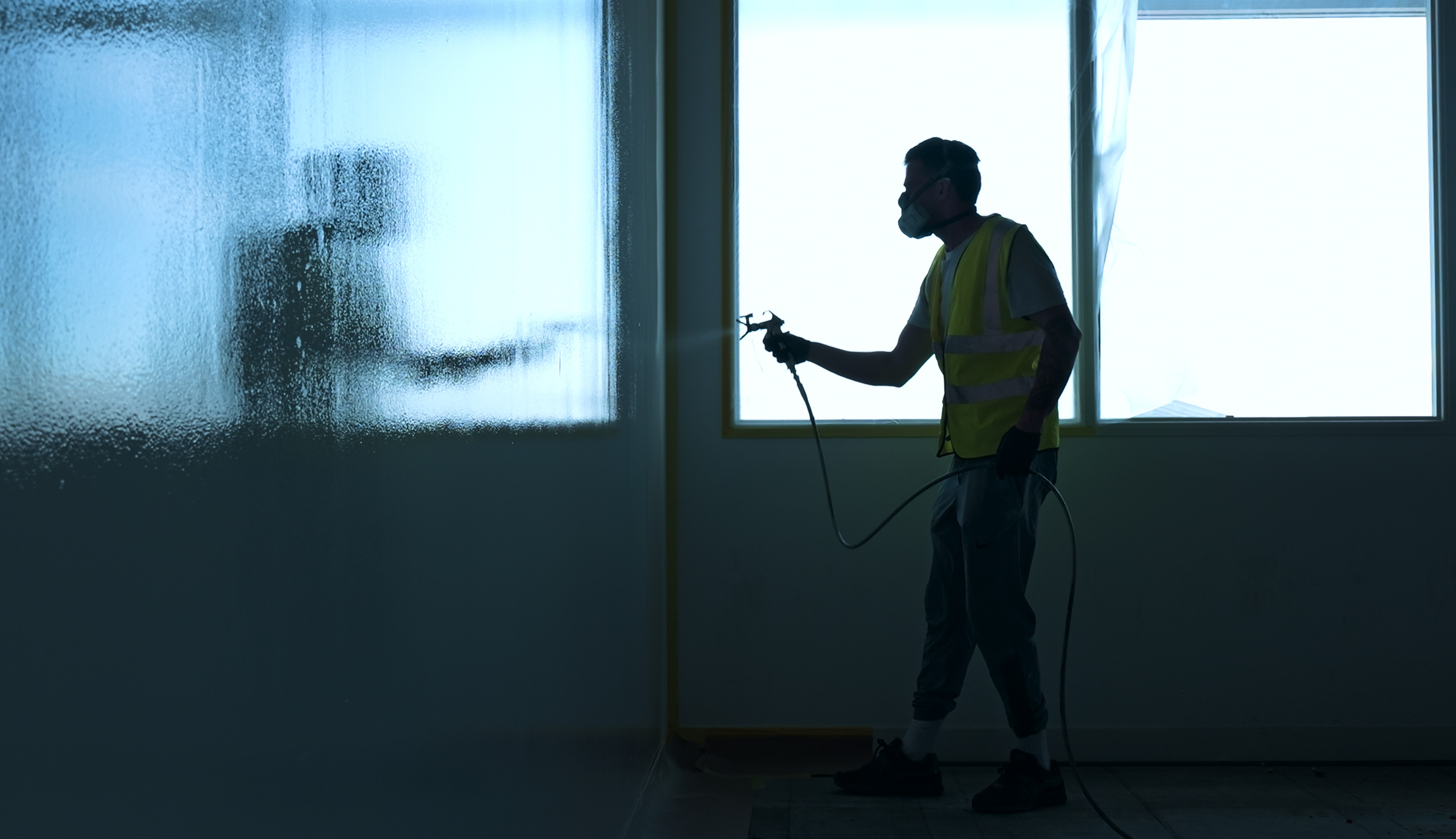
If you are painting with a brush or roller using lower VOC paints, HSE notes that you will not need a mask for most low risk jobs, but fresh air still matters.
If you are spraying, exposure can be much higher and needs more control.
Simple homeowner habits that help:
Open windows where possible
Keep internal doors closed to contain fumes
Keep kids and pets out of the room until it is dry
Do not dry laundry in the same space while paint is curing, it slows drying and adds moisture
The “room by room” pitfalls people do not talk about
Bathrooms
Paint fails fast if moisture is not controlled. If your extractor is weak or you regularly get condensation, you will keep repainting.
Kitchens
Grease is the hidden enemy. Cleaning properly before painting is not optional.
Hallways and stairs
High traffic areas need tougher finishes and better prep, because scuffs highlight every bump.
Bedrooms
If you get morning window condensation, that is a ventilation and temperature issue, not a “bad paint” issue.
When it is smarter to bring in the pros
You probably want a professional decorator when:
the walls are heavily damaged and need extensive prep
you have recurring stains or past water ingress
ceilings are involved (height and finish quality matter)
you want it done quickly with a clean, reliable result
If you are in Kent, Bromley, Romford, or nearby, we can help you get the finish right the first time, with the prep done properly so it lasts.
BARRY TURNER & SON
Other News
01