Commercial Drainage Checklist: How to Prevent Blockages, Leaks and Disruption
Drainage
Table of Contents
Why Commercial Drainage Needs Regular Attention
Commercial drainage systems work hard every day. In schools, offices, warehouses, hospitality venues and public buildings, drains are under pressure from toilets, kitchens, washrooms, external gullies, rainwater outlets and high footfall areas. When drainage is ignored, small issues can quickly become blocked drains, unpleasant smells, internal leaks, flooding, hygiene concerns and disruption to daily operations. Barry Turner & Son Ltd provides commercial plumbing and drainage services, helping businesses identify drainage problems early and keep their buildings running safely and smoothly.
Commercial Drainage Checklist: What to Inspect
A simple routine check can help facilities managers spot early warning signs before they become emergency callouts. Start by checking toilets, sinks, gullies, waste outlets, external drains, downpipes and any areas that have had previous blockages. Look for slow drainage, gurgling sounds, bad odours, standing water, overflowing gullies, damp patches, staining, cracked covers, loose drain lids and signs of pest activity around service points. Sites should also review whether drainage is suitable before refurbishments, extensions or layout changes increase demand. Barry Turner & Son Ltd supports schools and educational sites, offices and commercial workspaces and wider commercial construction and repair services, where planned drainage checks can reduce avoidable disruption.
What Not to Put Down Commercial Drains
Many drainage issues are caused by everyday waste being put into the wrong place. Fats, oils and grease from kitchens can cool, harden and restrict pipework. Wet wipes, sanitary products, paper towels, cotton pads, food waste and cleaning debris can also build up inside drains and cause blockages. Water UK warns that wet wipes, cotton buds, sanitary products and fats, oils and grease can create sewer blockages known as fatbergs, which can affect the environment and contribute to flooding. You can read more from Water UK on fighting fatbergs. Thames Water also advises that cooking fats, oils and grease should not be poured down sinks and should be cooled, scraped and disposed of correctly. See the guidance from Thames Water on fats, oils and grease. For businesses with kitchens, canteens or food preparation areas, clear signage, staff training and regular waste checks can make a major difference.
When to Arrange a Drainage Survey or Quote
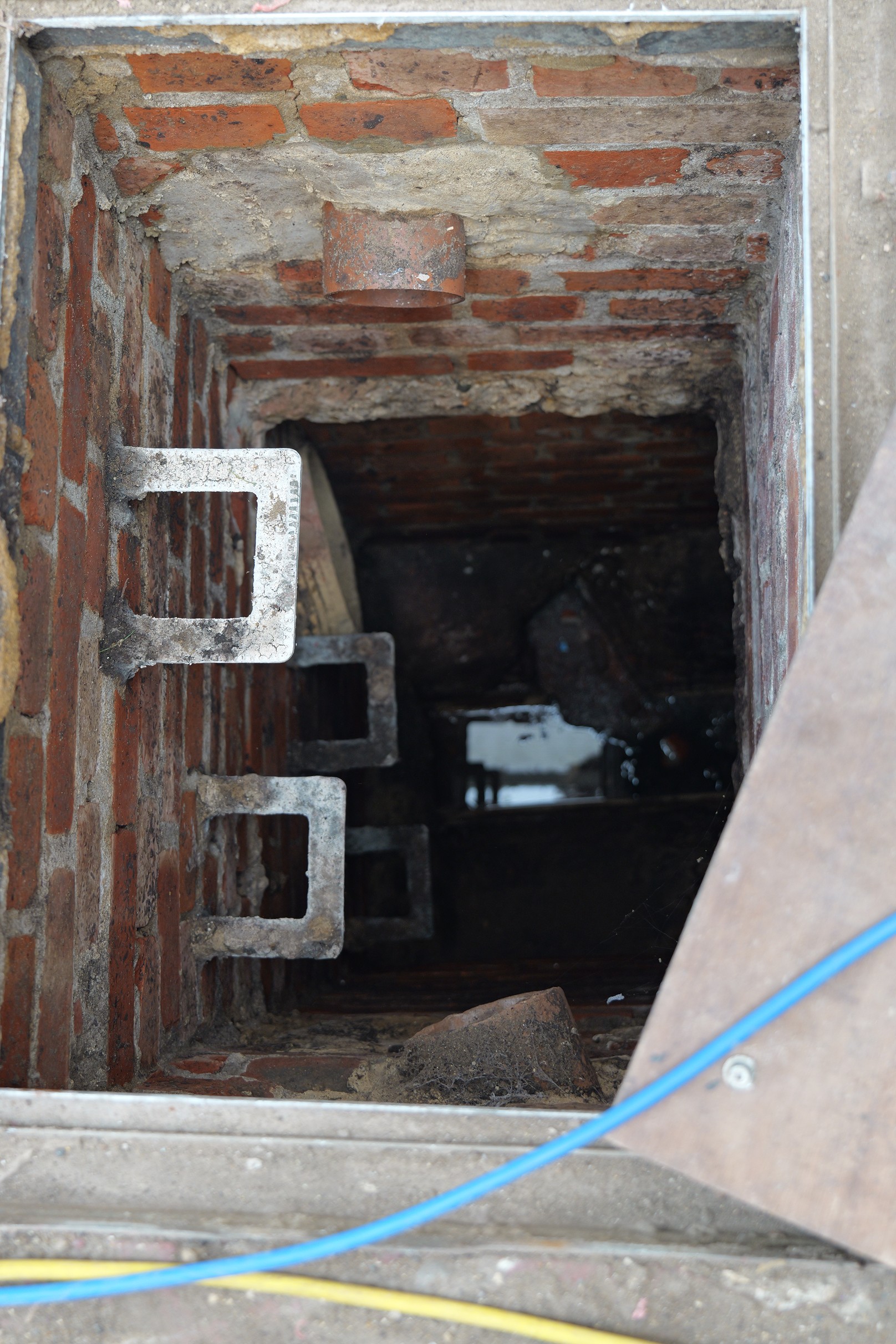
You should arrange a drainage review if the same blockage keeps returning, if there are smells inside the building, if water is backing up, if external drains are overflowing or if you are planning works that add more pressure to the system. A useful drainage enquiry should include the site address, affected area, photos, previous reports, how long the issue has been happening and whether the problem is affecting toilets, sinks, gullies, kitchens or underground drainage. For refurbishment or expansion projects, drainage should be reviewed before works begin so the system can be checked against the proposed layout and expected usage. Building Regulations Approved Document H covers drainage and waste disposal guidance, including foul water drainage, pipe sizes, manholes and inspection chambers. You can view the official GOV.UK guidance on drainage and waste disposal. Barry Turner & Son Ltd also shares practical drainage advice in its article Blocked Drains and Leaks: Weekly Routine and Never Pour List.
Conclusion: Prevent Drainage Problems Before They Disrupt Your Building
A good drainage checklist helps businesses stay ahead of avoidable issues. Regular inspections, clear waste rules, early reporting and planned maintenance can reduce blocked drains, leaks, flooding, hygiene risks and emergency costs. This is especially important for schools, offices, hospitality venues and commercial buildings where disruption can affect staff, visitors, pupils and customers. To arrange a drainage inspection, discuss a recurring issue or request a clear quote for remedial works, contact Barry Turner & Son Ltd through the contact page.
BARRY TURNER & SON
Other News
01