2 Dec 2025
Commercial Property EPC Requirements 2025: Your Complete Compliance Guide
Table of Contents
No anchors found on page.
The clock is ticking. Right now, commercial property owners across the UK face penalties of up to £150,000 for non-compliance with Energy Performance Certificate requirements and with Band C mandatory by April 2027 and Band B by 2030, the window for action is rapidly closing.
This comprehensive guide explains exactly what the 2025 commercial property EPC requirements mean for your business, the steps you need to take to achieve compliance, and the upgrade pathways available to future-proof your property investment.
What Are Commercial Property EPC Requirements?
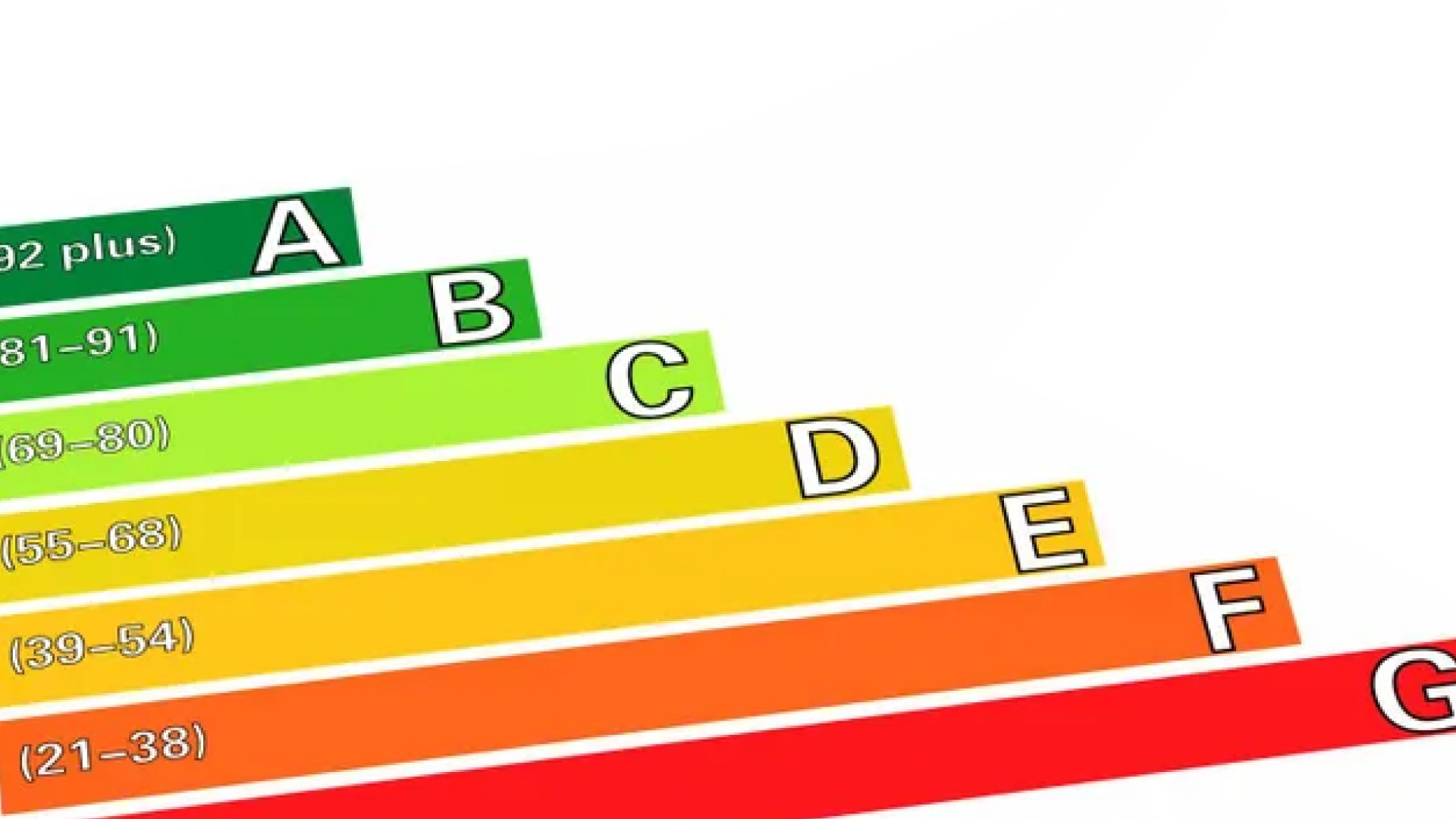
Energy Performance Certificates (EPCs) are mandatory assessments that rate the energy efficiency of commercial buildings on a scale from A (most efficient) to G (least efficient). Every commercial property in the UK must have a valid EPC when built, sold or rented.
The certificate provides two key ratings:
Current Energy Efficiency Rating: Your property's existing performance based on actual energy use for heating, hot water, lighting and ventilation
Potential Energy Efficiency Rating: What your property could achieve with recommended improvements
Commercial EPCs are valid for 10 years and must be made available to prospective tenants or buyers. However, having a certificate is only the first step, your property must also meet Minimum Energy Efficiency Standards (MEES) to be legally let.
Who Needs a Commercial EPC?
Commercial EPCs are required for:
Offices and commercial workspaces
Retail units and shopping centres
Hotels, pubs and restaurants
Schools, colleges, and educational facilities
Hospitals and healthcare buildings
Warehouses and industrial units
Leisure centres and sports facilities
Any building where people work or visit
The only exceptions are buildings used primarily for worship, temporary structures with a planned use of less than two years, and standalone buildings with total floor space under 50 square metres.
The April 2025 Deadline: What You Need to Know
Critical Date: 1 April 2025
From this date, all new tenancy agreements and lease renewals for commercial properties must meet a minimum EPC rating of Band E. This applies to existing regulations under the Minimum Energy Efficiency Standards (MEES).
However, the 2025 deadline is more nuanced than many property owners realise:
What Changes in April 2025?
While the minimum Band E requirement has been in force since 2018 for new tenancies and since 2023 for existing tenancies, April 2025 marks an important enforcement milestone where non-compliant properties face intensified scrutiny and stricter penalties.
More significantly, April 2025 serves as a crucial warning point: you have just two years until the Band C requirement takes effect in April 2027.
Why Act Now?
Most commercial property owners are discovering that upgrading from Band E, F or G to Band C requires substantial work that cannot be completed overnight. The average upgrade project timeline is:
Assessment and planning: 4-8 weeks
Funding applications: 8-12 weeks
Procurement and scheduling: 6-12 weeks
Installation and commissioning: 4-16 weeks (depending on scope)
This means properties starting their upgrade journey now may only just achieve Band C compliance by the April 2027 deadline.
If you're currently managing a commercial property portfolio and haven't assessed your EPC compliance status, the time to act is now not April 2025 and certainly not April 2027.
Need expert guidance on your commercial property's EPC compliance?
Barry Turner & Son brings over 50 years of combined experience helping commercial property owners across London, Kent, Essex, Surrey, West Sussex, East Sussex, Hertfordshire, Bedfordshire, Buckinghamshire, Oxfordshire, and Berkshire achieve energy efficiency compliance. As a Mitsubishi Electric accredited installer with Gas Safe and NICEIC certifications, we can assess your property, recommend cost-effective improvements, and manage the entire upgrade process from planning to certification.
Request Your Free EPC Assessment
Understanding MEES Regulations
The Minimum Energy Efficiency Standards (MEES) are regulations that prohibit landlords from letting commercial and residential properties that fall below a minimum energy efficiency rating.
Current MEES Requirements
Since 1 April 2023, it has been illegal to continue letting a commercial property with an EPC rating below Band E, even on an existing tenancy. This applies to:
New tenancy agreements
Tenancy renewals
Continuing tenancies (since April 2023)
Key MEES Rules You Must Know
1. The Compliance Obligation Falls on Landlords
Property owners and landlords are responsible for ensuring their buildings meet MEES before granting or continuing a tenancy. Tenants cannot be contractually required to fund improvements, though they may choose to do so.
2. Exemptions Are Temporary and Limited
Some properties may qualify for temporary exemptions lasting up to five years, including:
7-year payback exemption: If the cost of all recommended improvements exceeds a seven-year payback period
Consent exemptions: Where required consents (planning permission, listed building consent, etc.) cannot be obtained
Devaluation exemption: If improvements would reduce the property value by more than 5%
Third-party exemption: Where a third party (freeholder, mortgage lender) refuses consent
Importantly, exemptions must be formally registered on the national PRS Exemptions Register **before** a property is let. They are not automatic.
3. The £3,500 Per Property Cap Has Been Removed**
Previously, landlords were only required to fund improvements up to £3,500 per property. This cap no longer applies to properties below Band E, meaning landlords must now fund all cost-effective improvements necessary to reach Band E, regardless of cost.
4. MEES Applies to All Commercial Tenancy Types**
The regulations cover:
Standard commercial leases
Licences to occupy
Tenancies at will
Short-term lets
Even temporary commercial arrangements fall under MEES if they meet the legal definition of a tenancy.
Financial Penalties for Non-Compliance
The financial consequences of failing to meet commercial property EPC requirements are severe and escalating.
Current Penalty Structure
Local authorities can impose civil penalties for MEES breaches:
Duration of Breach | Penalty Amount |
|---|---|
Less than 3 months | Up to £5,000 |
3 months or more | Up to £10,000 |
Registered false or misleading information | Up to £1,000 |
Failure to comply with compliance notice | Up to £2,000 |
Maximum penalty per property: £150,000
The penalty is calculated based on the rateable value of the property and the length of non-compliance.
How Penalties Are Calculated
For properties let in breach of MEES:
Properties with rateable value under £50,000: 10% of rateable value (minimum £5,000, maximum £10,000)
Properties with rateable value £50,000 or above: 20% of rateable value (minimum £10,000, maximum £150,000)
These penalties apply per property, per breach. A landlord with multiple non-compliant properties faces multiple fines.
Beyond Financial Penalties
Non-compliance also brings:
Reputational damage: Breach details are published on a public register
Lease complications: Inability to grant new tenancies or renewals
Diminished property value: Non-compliant properties are worth significantly less
Insurance issues: Some commercial property insurers are beginning to factor EPC ratings into coverage decisions
Tenant litigation risk: Tenants may pursue legal remedies for non-compliant properties
Enforcement Is Increasing
While enforcement was initially light-touch, local authorities across the UK are now actively investigating MEES compliance, particularly in high-value commercial areas. Trading Standards officers can:
Request evidence of EPC compliance
Inspect properties
Issue compliance notices
Impose financial penalties without court proceedings
Future Requirements: Band C (2027) and Band B (2030)
The current Band E minimum is only the beginning of a progressive tightening of commercial energy efficiency standards.
April 2027: Band C Becomes Mandatory
From 1 April 2027, all commercially let properties must achieve a minimum EPC rating of Band C. This applies to:
All new tenancy agreements from April 2027
All tenancy renewals from April 2027
All continuing tenancies from April 2027
This represents a significant leap in energy efficiency requirements. Government data shows:
Approximately 60% of commercial properties currently fall below Band C
Upgrading from Band E to Band C typically requires investment of £15,000 to £80,000 depending on property size and current condition
The average improvement involves multiple systems: heating, lighting, insulation, and building management
April 2030: Band B Target
Current proposals suggest a further increase to Band B by 2030, though this remains subject to government consultation and final confirmation.
What This Means for Property Owners
Progressive Investment Strategy Required
Rather than treating compliance as a one-time upgrade, forward-thinking property owners are adopting a phased improvement approach:
Phase 1 (2024-2025): Achieve Band E compliance, focus on quick wins (LED lighting, heating controls, insulation)
Phase 2 (2025-2027): Progress toward Band C through more substantial upgrades (HVAC replacement, renewable energy, advanced building management systems)
Phase 3 (2027-2030): Optimisation and preparation for Band B requirements
This staged approach spreads costs, allows technology to mature, and positions properties to take advantage of emerging grant funding.
The Commercial Advantage of Early Compliance
Properties achieving Band C or higher ahead of the 2027 deadline benefit from:
Higher rental values: Research shows Band C properties command a premium of 5-10% over Band D/E equivalents
Improved tenant retention: Occupiers increasingly prioritise energy-efficient premises
Future-proofing: Avoiding the 2027 compliance rush when contractors will be in high demand
Grant eligibility: Current funding schemes prioritise early adopters
Enhanced corporate reputation: Demonstrating environmental leadership appeals to ESG-conscious tenants
How to Check Your Property's Current EPC Rating
Before planning any upgrades, you need to understand your property's current energy performance.
Finding Your Existing EPC
Option 1: EPC Register Search
Visit the official UK Government EPC register at www.epcregister.com and search by:
Full property postcode
Building address
EPC certificate number (if known)
The register is publicly accessible and free to use. You can download the full EPC certificate including the detailed recommendation report.
Option 2: Request from Your Letting Agent or Previous Owner
If you've recently acquired the property, the EPC should have been provided during the transaction. Check your property purchase or lease documentation.
Understanding Your EPC Certificate
Your EPC contains valuable information:
1. Energy Efficiency Rating (Current)
The main rating band (A-G) and numerical score (1-100+) showing current performance.
2. Environmental Impact Rating
A CO2 emissions rating, also scored A-G, showing the property's environmental performance.
3. Energy Use Per Square Metre
Measured in kWh/m²/year, this allows comparison with similar buildings.
4. Recommendation Report
Crucially, this section lists:
Recommended improvements to reach higher bands
Estimated costs for each improvement
Typical annual savings from each measure
Potential rating after implementing improvements
5. Validity Date
EPCs last 10 years. If yours is nearing expiry, you'll need a new assessment, an ideal opportunity to incorporate improvements before re-assessment.
When You Need a New EPC
A new EPC is required when:
Your current certificate has expired (after 10 years)
You've made significant building alterations
You've completed energy efficiency improvements and want the higher rating recognised
You're selling or letting the property and don't have a valid certificate
What If Your Property Doesn't Have an EPC?
Properties without a valid EPC cannot be legally marketed for sale or let. You must commission an EPC from an accredited Domestic Energy Assessor (for residential) or a qualified Commercial Energy Assessor before proceeding with any transaction.
Unsure about your property's current EPC rating or what improvements are needed?
Our commercial energy assessment team at Barry Turner & Son can conduct a comprehensive audit and provide a clear, prioritised action plan. With over 50 years of combined experience working across London and 10 South East counties, we've helped hundreds of commercial property owners navigate EPC compliance successfully. Request Your Free Property Assessment
Upgrade Pathways to Achieve Compliance
Moving from Band E, F or G to Band C requires a strategic approach. The most cost-effective pathway depends on your property's current condition and your long-term plans.
Step 1: Comprehensive Energy Audit
Before investing in improvements, commission a detailed energy audit that goes beyond the basic EPC assessment. This should include:
Thermal imaging to identify heat loss
Assessment of current HVAC system efficiency
Lighting audit and lux level measurements
Building fabric inspection (insulation, glazing, air tightness)
Review of heating and hot water systems
Analysis of building management and control systems
A thorough audit prevents wasted investment in measures that deliver minimal rating improvement.
Step 2: Prioritise High-Impact, Low-Cost Measures
The EPC recommendation report categorises improvements by cost-effectiveness. Focus first on measures offering the best return:
LED lighting replacement across all areas
Heating system controls and thermostatic radiator valves (TRVs)
Loft and cavity wall insulation (where applicable)
Draught-proofing and air tightness improvements
Hot water tank insulation
These measures often deliver immediate energy savings while improving your EPC band.
Step 3: Address Building Fabric
Before upgrading energy systems, improve the building envelope:
External or internal wall insulation
Roof insulation upgrades
Secondary glazing or window replacement
Air source heat pump readiness preparation
Improved ventilation with heat recovery
A well-insulated building reduces heating demand, allowing smaller, more efficient systems.
Step 4: Upgrade Major Systems
With fabric improvements complete, replace outdated energy systems:
High-efficiency boiler replacement or heat pump installation
Variable refrigerant flow (VRF) air conditioning systems
LED lighting with daylight and occupancy sensors
Building Energy Management System (BEMS)
Solar photovoltaic (PV) panels
Battery storage systems
These upgrades often push properties from Band D/E into Band C or higher.
Step 5: Optimisation and Verification
After installation:
Commission a new EPC to verify rating improvement
Monitor actual energy consumption against projections
Fine-tune controls and settings for optimal performance
Train facilities staff on new system operation
Barry Turner & Son is an approved Boiler Upgrade Scheme installer and Gas Safe registered, enabling us to manage your entire heat pump grant application and installation with full compliance guarantees.
Available Grants and Funding Support
Several funding schemes can offset the cost of commercial energy efficiency improvements:
1. Boiler Upgrade Scheme (BUS)
Grant Amount: £7,500 for air source heat pumps or ground source heat pumps
Eligibility: Commercial and residential properties in England and Wales
Application: Via approved installers
The BUS grant makes heat pump installation financially viable for many commercial properties. Barry Turner & Son is an approved installer and can manage your entire BUS application and installation process.
2. Enhanced Capital Allowances (ECAs)
Tax Benefit: 100% first-year capital allowance on qualifying energy-saving equipment
Eligibility: Businesses paying UK corporation tax or income tax
Qualifying Technologies: Energy-efficient lighting, HVAC systems, motors, and other equipment listed on the Energy Technology List
ECAs allow businesses to deduct the full cost of qualifying equipment from taxable profits in the year of purchase, providing immediate cash flow benefits.
3. Local Authority Energy Efficiency Schemes
Many local authorities operate grant programmes for commercial property energy improvements:
Greater London Authority (GLA) schemes for London businesses
Warmer Homes grants (some include commercial elements)
Business Energy Efficiency Programme (BEEP) in various regions
Contact your local authority's environmental or business support team to explore available funding.
4. Green Finance Options
Several lenders offer preferential finance for energy efficiency projects:
Green loans with reduced interest rates for EPC improvement projects
Property Assessed Clean Energy (PACE) financing (emerging in UK)
Energy Performance Contracts where savings fund the improvements
5. Renewable Heat Incentive (RHI)
Note: The non-domestic RHI closed to new applications in March 2022, but existing recipients continue receiving payments for 20 years. While no longer available for new projects, it demonstrates the government's ongoing commitment to renewable heat, expect future schemes.
Take Action Now: Your Next Steps
The April 2025 deadline is approaching rapidly, and the more significant Band C requirement arrives in April 2027—just over two years away. Commercial property owners who act now benefit from:
Avoiding the 2027 compliance rush when contractor availability will be constrained and prices inflated
Accessing current grant funding before budget allocations are exhausted
Spreading costs across multiple financial years
Maximising energy savings for a longer period
Positioning properties for premium rental values and strong tenant demand
Your Action Plan
Step 1: Assess Your Current Position (This Week)
Locate your property's existing EPC on the government register
Review the current rating and recommendation report
Calculate the gap between your current rating and Band C
Identify the April 2027 deadline on your calendar
Step 2: Commission a Detailed Energy Audit (This Month)
Engage a qualified assessor for a comprehensive property survey
Obtain thermal imaging to identify heat loss areas
Assess current systems (heating, lighting, ventilation, insulation)
Receive a prioritised improvement plan with cost estimates
Step 3: Develop Your Compliance Strategy (Next 2 Months)
Decide your target: Band E (minimum), Band C (2027 requirement), or Band B (future-proofing)
Explore available grants and funding options
Plan improvement phasing to spread costs and minimise disruption
Set internal project timelines and budgets
Step 4: Appoint Your Delivery Partner (Next 3 Months)
Obtain competitive quotations from qualified multi-trade contractors
Verify certifications, insurance, and relevant experience
Check references from similar commercial projects
Select a contractor capable of delivering the full scope
Step 5: Execute the Improvement Programme (Next 6-12 Months)
Begin with quick wins (LED lighting, controls, insulation)
Progress to major systems (HVAC, renewable energy)
Maintain operational continuity through careful scheduling
Monitor progress against timeline and budget
Step 6: Verify and Celebrate Compliance (Upon Completion)
Commission new EPC assessment to verify rating achievement
Register improved rating with the government database
Update marketing materials to highlight energy efficiency
Enjoy reduced energy costs and enhanced property value
Don't Wait Until April 2027
The properties that thrive under increasingly strict energy efficiency regulations will be those whose owners took proactive action. The penalties for non-compliance are substantial, but the benefits of early compliance are even greater.
Barry Turner & Son has supported commercial property owners across London, Kent, Essex, Surrey, West Sussex, East Sussex, Hertfordshire, Bedfordshire, Buckinghamshire, Oxfordshire, and Berkshire for over half a century. Our family-owned business founded by Barry Turner and now led by Dean Turner, combines personal service with corporate capability. We understand the challenges you face and have the multi-trade expertise to deliver complete EPC compliance solutions efficiently and cost-effectively.
Take the first step towards EPC compliance today.
Contact our commercial projects team for your free, no-obligation property assessment. We'll evaluate your current EPC rating, recommend cost-effective improvements, identify applicable grants, and provide a clear roadmap to achieve Band C or higher.
Call Now: 0800 0430 454
Email: admin@barryturnerandson.co.uk
Request Your Free Assessment: Complete Our Contact Form