Flooring Trends for 2026: Family-Proof LVT, Herringbone Looks and Tile Choices That Don’t Date
Flooring Trends
Table of Contents
If you want the quick answer first, here it is.
For most busy homes in 2026, the safest flooring choices are:
LVT in kitchens, hallways and family spaces
Porcelain tile in bathrooms, utility rooms and high-moisture areas
Engineered wood in living rooms and bedrooms if you want a warmer, longer-term finish
Herringbone only if the room suits it and the layout can carry it
That lines up with what current UK advice and trend coverage are showing. Recent flooring trend pieces are leaning toward warm wood tones, herringbone patterns and calmer stone looks, while consumer guidance still favours practicality, moisture resistance and easy maintenance for real homes.
If you are planning a wider room upgrade, these are the most relevant internal pages:
Kitchen & Bathroom Installations
Kitchen Trends for 2026: The Practical Guide Homeowners Can Actually Use
What flooring is actually trending in 2026?
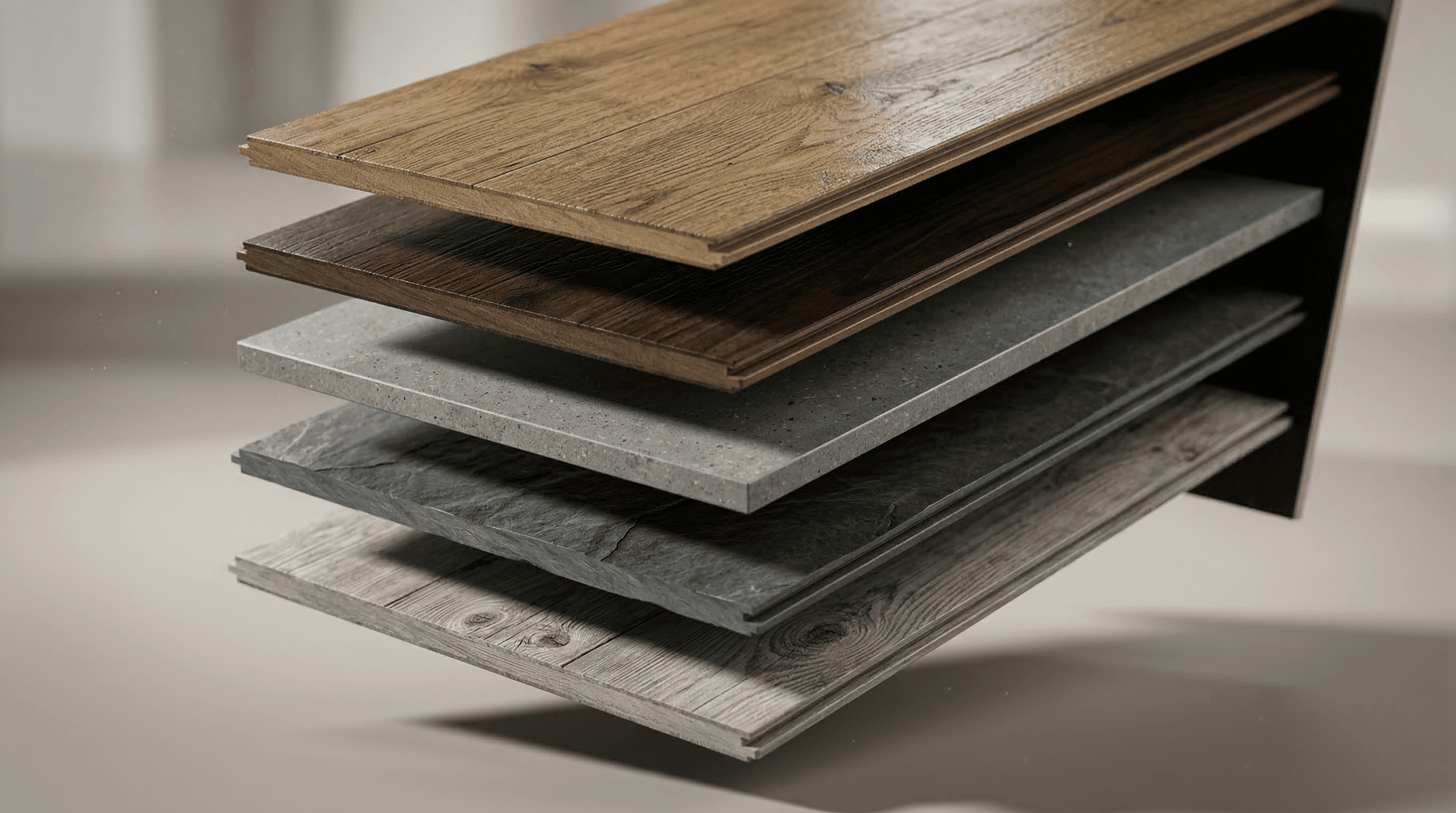
The direction is fairly clear. Flooring is moving away from cold, obviously “show home” finishes and toward materials that feel warmer, calmer and easier to live with day to day. Recent 2026 trend coverage points to warm oak-style tones, herringbone and chevron looks, larger-format tile, and more natural stone-inspired finishes.
The important bit is this: the trends that are sticking are the ones that also perform well. That is why LVT keeps coming up, and why porcelain tile remains a strong choice where water, wear and cleaning matter most. Which? says LVT is waterproof, durable and easy to maintain, while tile guidance from The Tile Association highlights porcelain as hard-wearing, low in water absorbency and well suited to bathrooms, utilities and other demanding spaces.
Which flooring is best if you want something that still looks good in five years?
Best all-rounder for busy homes: LVT
If your main concern is real life rather than showroom photos, LVT is hard to ignore.
Why it works:
water-resistant to waterproof depending on product
easy to clean
available in wood and stone looks
softer and quieter underfoot than tile
good fit for kitchens, hallways and open-plan spaces
Luxury vinyl flooring is waterproof, durable and easy to maintain, which is exactly why it keeps showing up in family-home searches and renovation guides. LVT is more water-resistant than engineered wood, making it better suited to humid rooms like kitchens and bathrooms.
Best for a timeless premium feel: engineered wood
If the room is lower moisture and you want warmth, grain and a more natural finish, engineered wood is still a strong option. It tends to feel more “settled” and less obviously trend-led than some pattern-heavy floors. Which? notes engineered wood is generally the more authentic and longer-term option compared with LVT, especially in drier spaces.
Best for wet rooms and heavy wear: porcelain tile
Porcelain still wins where durability and moisture resistance matter most. The Tile Association says porcelain tiles are extremely hard-wearing, have very low water absorbency and often offer good anti-slip qualities, making them a strong fit for bathrooms, laundry rooms and other hard-working areas. Large-format tile also remains popular because fewer grout lines can make a room look calmer and bigger.
Is herringbone still a good idea in 2026?
Yes, but not everywhere.
Herringbone is still very much in the 2026 mix. Multiple recent trend sources highlight it as one of the looks that continues to feel current, especially in wood and LVT formats.
What matters is whether the room can carry it.
Herringbone works best when:
the room has enough visual breathing space
you want a bit of movement and character in the floor
the rest of the finishes are fairly calm
you are using it in a hallway, kitchen-diner or reception space where pattern adds interest
Herringbone can be the wrong move when:
the room is already visually busy
the layout is awkward or chopped up
you are trying to make a small room feel simpler and bigger
you are mixing it with too many other strong finishes
This is one of those trends that can look brilliant or feel overdone. In most homes, a subtle herringbone LVT or engineered look in a warm oak tone has more staying power than anything too grey, too dark or too high contrast. That fits with the wider move toward warmer, calmer flooring palettes in 2026.
What flooring should you choose room by room?
Best flooring for kitchens
For kitchens, the shortlist is usually LVT or porcelain tile.
LVT wins when you want:
easier comfort underfoot
a wood look without the moisture worry
simpler day-to-day cleaning
Porcelain wins when you want:
maximum durability
strong moisture resistance
a cleaner, sharper tile finish
Modern luxury vinyl offers a strong balance of longevity and practicality in kitchens, while The Tile Association guidance supports porcelain as a durable, low-absorption option.
If you are already planning cabinets, layout and finishes, this article pairs well with Kitchen Trends for 2026: The Practical Guide Homeowners Can Actually Use�.
Best flooring for bathrooms
For bathrooms, porcelain tile is still the safest answer in most cases. It handles moisture well and can be chosen with appropriate slip resistance for wet areas. The Tile Association notes that slip resistance should be considered based on use, and that porcelain tiles are both hard-wearing and suitable for wet spaces.
LVT can also work in bathrooms where the product and installation are right, but tile is still the more classic answer if you want long-term water confidence.
Best flooring for hallways
Hallways need to cope with grit, shoes, bags, prams, pet traffic and constant cleaning.
The safest options are:
LVT
porcelain tile
engineered wood if the hallway is drier and you are happy with more upkeep
Wood-effect porcelain is especially good if you want a timber look without worrying about wear and water. Which? specifically notes that wood-effect tiles are waterproof and more resistant to wear and tear than hardwood and laminate, making them suitable for bathrooms, kitchens and high-traffic areas such as hallways.
Best flooring for living rooms and bedrooms
This is where engineered wood tends to shine. It gives a more natural look and a warmer feel underfoot. LVT still works well if you want consistency through the house or you have pets and need an easier-maintenance surface. Which? suggests engineered wood is the more investment-style option in drier rooms, while LVT is the more moisture-tolerant practical choice.
What flooring works best with underfloor heating?
This is one of the most useful buying questions because people often choose by look first and only think about heating later.
The broad rule is:
tile and engineered wood are generally good performers
LVT can work well
solid wood is more restrictive
you need the product and install spec checked early
BEAMA’s underfloor heating guide says most floor coverings can work with warm-water UFH, but the choice needs to be discussed early because floor finish affects performance. Flooring with good thermal conductivity, such as tiles or engineered wood, can improve heat distribution and efficiency.
Small warning, with engineered wood or laminate over underfloor heating, you should not set the heating above 27°C, as higher temperatures can damage the floor.
So the practical answer is not “can I use this flooring with UFH?” It is “is this exact product, buildup and temperature plan suitable?”
What dates fastest in tlooring?
This is the bit most trend articles skip.
The floors that date quickest are usually:
very cool greys with no warmth
overly busy patterns in small spaces
finishes chosen to mimic a fad rather than a natural material
cheap-looking stone effects with lots of visual noise
The flooring that tends to last visually is:
warm oak-style timber looks
subtle herringbone rather than high-contrast statement pattern
calmer stone and concrete tones
larger-format tile where the space suits it
That does not mean everything should be beige. It means the safest 2026 choices are warmer, quieter and more believable. Recent trend pieces are pointing the same way.
What should you check before choosing tile?
This is where a lot of regret starts.
Check slip resistance
The Tile Association says slip resistance should be considered according to where the tile will be used, especially in wet areas. More grip often means a more textured surface, and more textured surfaces can be harder to clean.
Check wear and water suitability
Porcelain is generally the tougher, lower-absorption option. For a bathroom or utility room, that matters.
Check grout lines and maintenance
Large-format tiles can make a room feel calmer because there are fewer grout lines. The Tile Association guide notes this visual effect directly.
The simple decision guide: which flooring should you pick?
Choose LVT if you want:
a practical all-rounder
easier cleaning
a wood or stone look in a busy home
something family-friendly in kitchens, hallways or open-plan areas
Choose porcelain tile if you want:
the most robust option for water and wear
bathroom or utility flooring
a timeless stone or large-format look
good compatibility with underfloor heating, subject to the full spec
Choose engineered wood if you want:
warmth and natural character
a more premium living-room or bedroom finish
something less trend-led than patterned floors
Choose herringbone if you want:
pattern and movement
a more designed look
something current that still has classic roots
But keep it subtle if you want the look to last.
Quick checklist before you commit
Which room is this for?
How much water, mud, pet traffic or wear will it really get?
Do you want quiet practicality or more visual impact?
Are you using underfloor heating?
Do you need slip resistance?
Will this still feel right when the rest of the room changes?
If you can answer those clearly, you usually end up choosing the right flooring much faster than by scrolling “2026 trend” galleries for hours.
Need help choosing flooring that looks good and works hard?
If you want the floor, tiling and wider room finish handled properly as one job, start here:
Kitchen & Bathroom Installations
Contact
BARRY TURNER & SON
Other News
01