Office Furniture Fit Out: How to Plan Desks, Storage and Layout Before Refurbishment
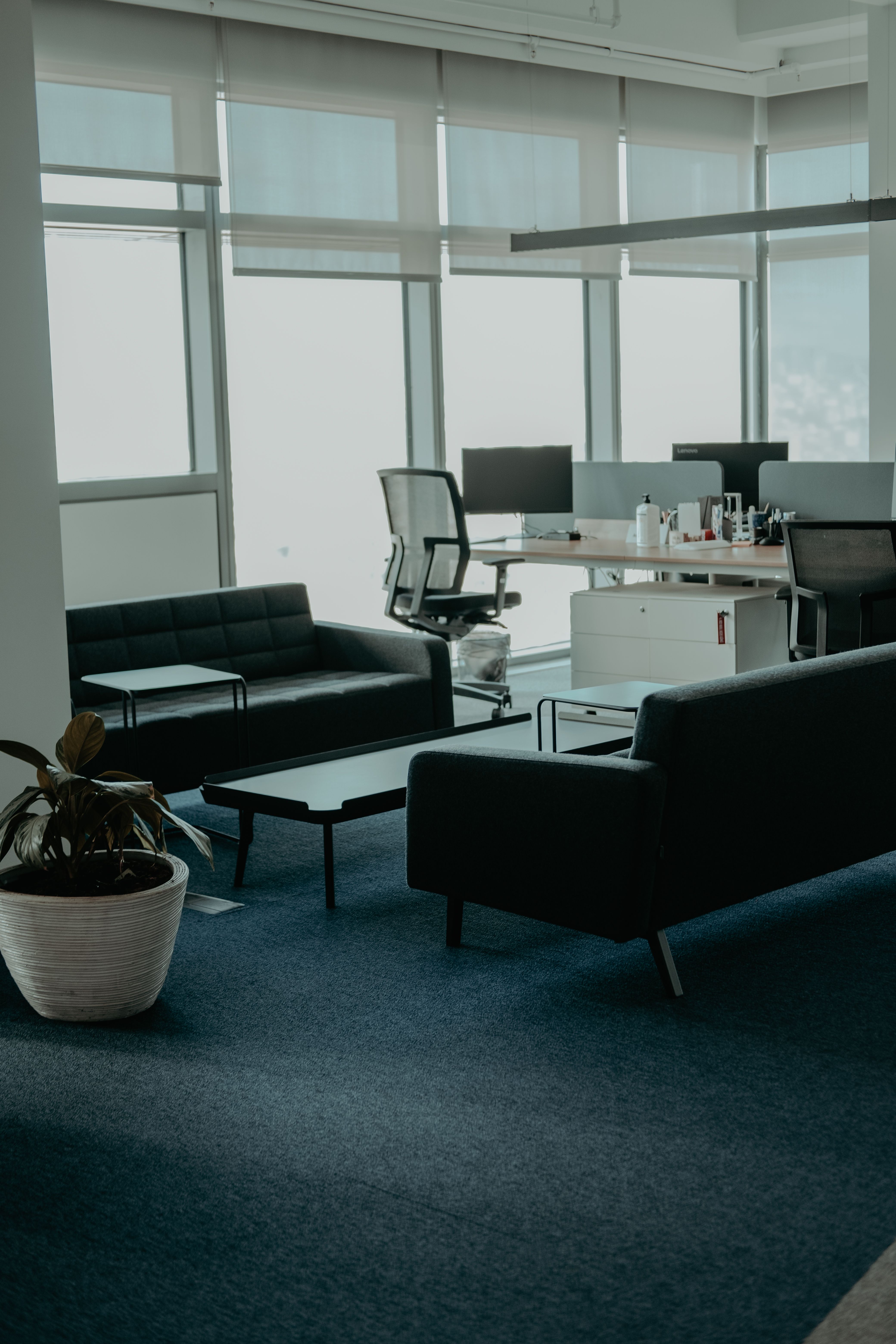
Office Fit Out & Commercial Refurbishment
Table of Contents
What Is an Office Furniture Fit Out?
An office furniture fit out is the planning, supply and installation of desks, chairs, storage, meeting furniture, breakout seating and workplace furniture as part of a wider office fit out or refurbishment project.
The best office furniture fit outs are planned before the building works begin. This helps make sure the layout, power, data, lighting, storage, walkways, meeting rooms and staff facilities all work together.
For businesses planning an office fit out and refurbishment, furniture should not be chosen at the end. It should be part of the early design conversation.
Why Office Furniture Fit Out Matters More Than People Think
Furniture is often treated as the final layer of an office project.
The walls are decorated. The floors are finished. The lighting is installed. Then someone decides where the desks and chairs should go.
That approach can create problems.
If furniture is not planned early, businesses may end up with:
desks in the wrong places
not enough sockets
poor cable management
cramped walkways
uncomfortable meeting rooms
weak storage
poor acoustic performance
inefficient use of space
staff frustration after handover
A good office furniture fit out is not just about buying desks. It is about making the workplace function properly.
Why This Is a Strong Topic for Office Fit Out Searches
Search interest around office fit out services, office fit out design, office fit out and refurbishment, and office furniture fit out shows that businesses are looking for practical help, not just inspiration.
They want to know:
what furniture they need
how much space desks require
how to support hybrid working
where meeting rooms should go
how to avoid overcrowding
how to plan power and data
whether to refurbish or reconfigure
how to make the office feel better without moving
This makes furniture planning a strong long-tail search topic with commercial intent.
It is especially relevant for London offices, where space is expensive and every square metre needs to work harder.
Office Furniture Fit Out vs Office Refurbishment
An office refurbishment upgrades the existing workplace. It may include decorating, flooring, lighting, partitions, fire safety improvements, building services and general finishes.
An office furniture fit out focuses on the furniture and workplace setup that make the space usable.
The two should work together.
Office Refurbishment May Include:
flooring
painting and decorating
ceilings
partitions
lighting upgrades
electrical works
HVAC improvements
fire doors
fire stopping
plumbing and drainage
Office Furniture Fit Out May Include:
desks
task chairs
storage
meeting tables
breakout furniture
reception furniture
lockers
acoustic booths
collaboration furniture
kitchen or tea point seating
furniture installation and layout planning
For the best result, furniture should be considered during the design and refurbishment stage, not after it.
Start With How the Office Is Actually Used
Before choosing furniture, businesses should understand how the office is used day to day.
Ask:
How many people use the office each day?
How many desks are genuinely needed?
How many people work remotely part-time?
How often are meetings held?
Are staff taking video calls from their desks?
Is there enough quiet space?
Is storage still needed or can it be reduced?
Do clients visit the office?
Are teams growing or downsizing?
Furniture should support the way people work now, not the way the office worked five years ago.
This is especially important for hybrid working, where businesses may need fewer fixed desks but better shared spaces.
The British Council for Offices has highlighted that modern office fit out guidance now reflects hybrid working, wellbeing, smart technology and net zero considerations. British Council for Offices guidance on office fit out design
Plan Desks Before Power and Data Are Finalised
Desk layout has a direct impact on electrical and data planning.
If the desk plan changes after electrical works are complete, businesses may need costly alterations or end up relying on messy cable routes.
Before electrical works begin, confirm:
desk positions
number of workstations
monitor requirements
laptop docking points
floor box locations
wall socket locations
data points
charging points
printer locations
meeting room technology
AV equipment needs
Good furniture planning helps the electrical design work properly.
Choose Furniture That Supports Display Screen Equipment Use
Most office workers use display screen equipment daily.
That means desks, chairs, monitor positions and workstations need to support safe and comfortable working.
The HSE states that employers must carry out workstation assessments for workers who use display screen equipment daily for continuous periods of an hour or more. HSE guidance on display screen equipment assessments
When planning office furniture, consider:
adjustable task chairs
suitable desk height
monitor position
keyboard and mouse space
glare from windows or lighting
enough leg room
suitable work surface depth
comfortable circulation around desks
Poor furniture choices can create avoidable comfort and productivity issues.
Do Not Underestimate Storage
Storage is one of the most commonly missed parts of an office furniture fit out.
Businesses often reduce storage too much when trying to create a cleaner, more modern workspace.
The result is clutter.
Before choosing storage, assess what needs to be kept on site:
files
equipment
cleaning supplies
stationery
personal items
coats and bags
IT equipment
archived documents
confidential materials
marketing materials
spare monitors or cables
Modern storage does not have to mean bulky filing cabinets. It may include lockers, built-in cupboards, under-desk units, storage walls or integrated joinery.
The aim is to keep the workspace clear without making daily tasks harder.
Think About Meeting Rooms and Video Calls
Hybrid working has made meeting rooms more important, not less.
Many offices now need:
small meeting rooms
video call rooms
quiet booths
collaboration tables
informal discussion areas
private spaces for focused calls
If meeting furniture is poorly planned, staff may end up taking calls from open desks, kitchens or corridors.
That creates noise and distraction.
Furniture choices should consider:
table size
screen position
camera angles
power access
acoustic comfort
chair spacing
circulation
lighting
ventilation
A good meeting room should be easy to use without needing to rearrange furniture every time.
Breakout Furniture Should Have a Purpose
Breakout furniture can make an office feel more relaxed and modern, but only if it has a clear purpose.
A breakout area might be used for:
informal meetings
lunch breaks
team catch-ups
quiet reading
waiting areas
flexible working
staff wellbeing
Before adding sofas or lounge chairs, ask what the space needs to do.
A breakout area that looks good but is never used wastes valuable floor area.
A practical breakout space should include:
comfortable seating
good lighting
power access where needed
suitable acoustics
nearby waste facilities
easy circulation
clear separation from focused work areas
Ventilation and Temperature Still Matter
Furniture layout can affect comfort.
Desks placed too close to vents, radiators, cold spots or direct sunlight can quickly become unpopular.
The HSE says workplaces should provide good ventilation, suitable lighting, enough room space, suitable seating and a reasonable working temperature. HSE workplace facilities guidance
Before finalising furniture layout, check:
airflow
heating and cooling
glare
draughts
natural light
access to windows
staff density
ventilation in meeting rooms
This is especially important in compact offices and meeting spaces where poor airflow becomes noticeable quickly.
Furniture Planning for Small Offices
Small offices need especially careful furniture planning because there is less room for error.
Common priorities include:
compact desks
shared workstations
storage walls
flexible tables
foldaway or movable furniture
lightweight meeting furniture
cable management
glass partitions
integrated lockers
A small office furniture fit out should make the space feel more useful, not more crowded.
Furniture Planning for Larger Offices
Larger offices need a different approach.
The challenge is usually not fitting everything in, but creating zones that are easy to understand and use.
A larger office may need:
neighbourhood desk areas
team zones
collaboration spaces
formal meeting rooms
quiet rooms
print and storage hubs
staff breakout areas
reception furniture
visitor waiting areas
locker zones
Without clear planning, large offices can feel confusing, noisy or inefficient.
Good furniture planning supports wayfinding, productivity and day-to-day management.
What to Check Before Ordering Office Furniture
Before purchasing furniture, confirm:
the final layout
measurements
ceiling heights
door widths
lift access
delivery restrictions
installation dates
socket and data positions
floor box locations
fire escape routes
meeting room requirements
storage needs
staff numbers
future growth
warranty and maintenance requirements
Ordering furniture too early can create problems if the building works or layout changes.
Common Office Furniture Fit Out Mistakes
Choosing Furniture Before the Layout Is Fixed
This can lead to furniture that does not fit properly or blocks circulation.
Ignoring Power and Data
Desks need to work with sockets, floor boxes, data points and charging requirements.
Buying Too Many Desks
Many businesses no longer need one desk for every employee every day.
Forgetting Acoustic Comfort
Hard furniture, open layouts and busy call areas can make offices noisy.
Underestimating Storage
A lack of storage often causes clutter soon after handover.
Treating Furniture as Separate From Refurbishment
Furniture should be integrated into the wider office fit out design.
Office Furniture Fit Out Checklist
Use this checklist before finalising the project:
Confirm how many people use the office daily
Decide between fixed desks, hot desks or shared workstations
Plan meeting and call spaces
Confirm storage requirements
Check power and data locations
Review lighting and glare
Check ventilation and temperature
Allow enough circulation space
Consider DSE workstation requirements
Review access for delivery and installation
Make sure furniture does not block escape routes
Coordinate furniture with flooring and decoration
Confirm installation programme
Agree handover and snagging process
How Office Furniture Affects Fire Safety and Access
Furniture must not block escape routes, fire doors, alarm call points or emergency equipment.
During office fit out and refurbishment, fire safety should be reviewed before the layout is finalised.
Important checks include:
clear escape routes
accessible exits
visible signage
fire doors not obstructed
alarm points accessible
emergency lighting not blocked
occupancy levels considered
GOV.UK guidance explains that the responsible person for workplace fire safety must carry out and regularly review a fire risk assessment and maintain appropriate fire safety measures. GOV.UK workplace fire safety responsibilities
Why Furniture Should Be Part of the Contractor Conversation
A strong office fit out contractor will not only ask what finishes you want.
They should ask how the space will be used.
That includes:
staff numbers
hybrid working
meeting habits
storage
electrical requirements
comfort
compliance
access
installation sequencing
future flexibility
Furniture affects almost every part of the office fit out.
That is why it should be discussed early with the contractor, not treated as a separate purchase at the end.
Final Thoughts
An office furniture fit out is not just about choosing desks and chairs.
It shapes how the workplace functions every day.
The best results come when furniture is planned alongside office fit out design, refurbishment works, electrical services, ventilation, storage, fire safety and staff requirements.
For London businesses trying to make better use of existing office space, furniture planning can be one of the most important parts of the project.
Barry Turner and Son Ltd supports commercial clients with office fit out services, office refurbishment, electrical works, HVAC, plumbing, decorating, fire doors, fire stopping and wider building upgrades across London and the South East.
To discuss an upcoming office fit out and refurbishment project, visit Commercial Services or request a Free Quotation.
FAQ
What is an office furniture fit out?
When should furniture be planned during an office fit out?
Is office furniture fit out part of office refurbishment?
What furniture is needed for a modern office?
How does furniture affect office fit out design?
Why is storage important in an office furniture fit out?
Can office furniture affect fire safety?
How do you plan furniture for hybrid working?
What should be checked before ordering office furniture?
Who should manage an office furniture fit out?
BARRY TURNER & SON
Other News
01