Pest Control During Renovation: How to Stop Mice, Rats and Wasps Delaying Your Project
Renovation Pest Control
Table of Contents
Why do pests suddenly show up during renovation work?
Because the renovation usually doesn’t create the problem from scratch. More often, it exposes what was already there or makes the building temporarily easier to get into. HSE specifically flags refurbishment and demolition work as higher-risk situations for exposure to rat-related biological hazards, and BPCA guidance shows just how little space rodents need to enter a building in the first place.
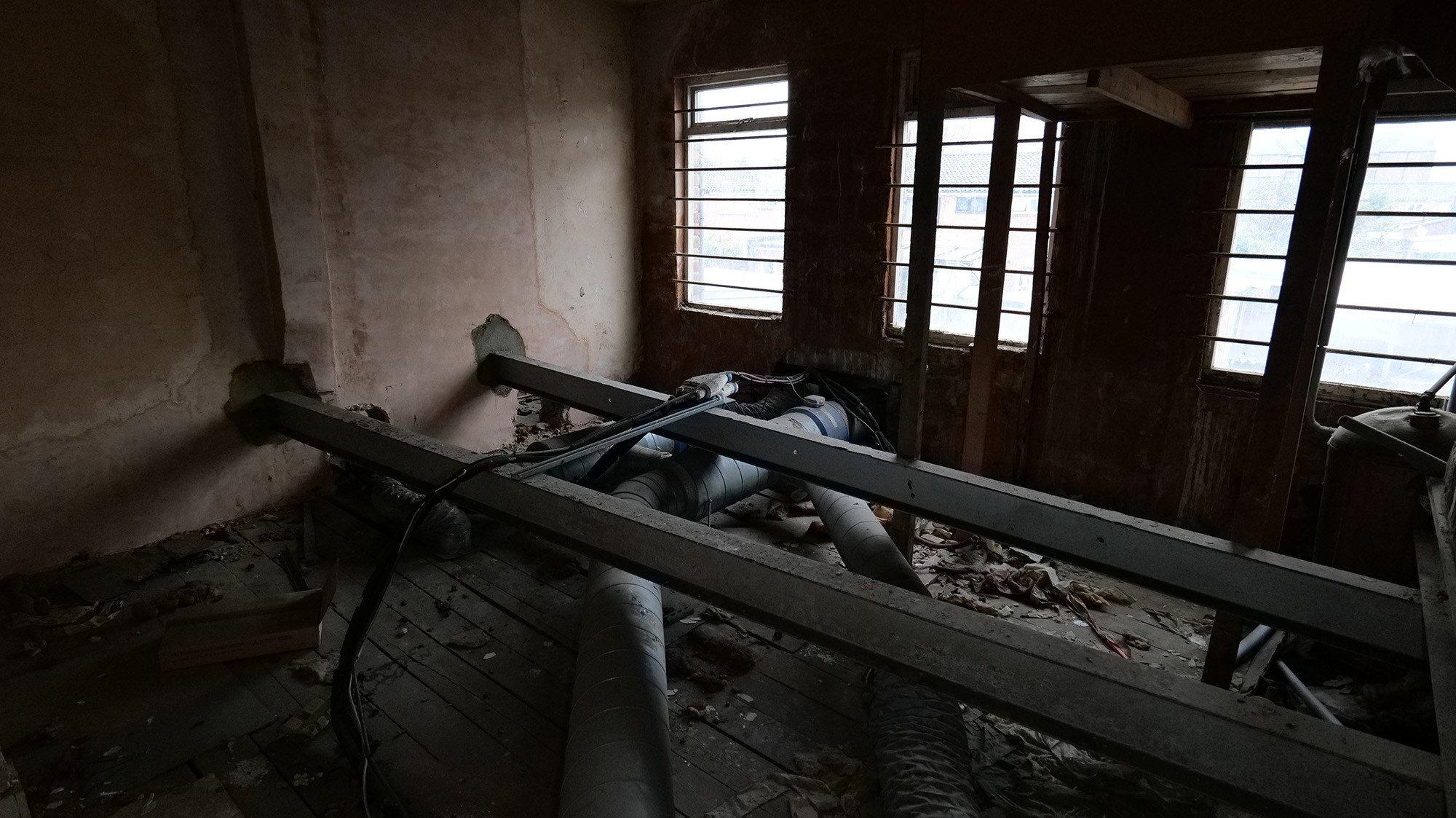
That’s the part people miss. You start opening ceilings, boxing, kitchens, risers or loft areas and suddenly think, “Where did these come from?” The honest answer? They may have been there for months. The work just forced the issue into view. That’s especially true in older homes, vacant units, food-related premises and office refurbishments where ceilings, service voids and hidden storage areas get opened up.
Should pest control happen before or during a renovation?
Both, if there’s any sign of risk.
If you already have droppings, scratching, gnawing, nesting material, bad smells, wasp traffic, or obvious access gaps, pest control should be treated as part of the planning stage, not something to “deal with later”. Professional trade bodies like BPCA and NPTA both push people toward qualified pest controllers rather than winging it with DIY when the issue is active or potentially complex.
And during the works? Same thing. If strip-out exposes rodents, contaminated voids or a wasp nest, you do not want trades carrying on and closing the area back up around the problem. That is how delays become repeat visits, contamination issues and snagging headaches later.
What pests are most likely to disrupt a home or office renovation?
Mice and rats
This is the big one.
Rodents are the most common renovation-related pest issue because they love exactly the kinds of places refurbishment opens up: ceiling voids, pipe runs, service risers, lofts, under-kitchen spaces and boxed-in areas. Better Than The Pest’s own rodent service page focuses on inspections, entry points, nests and proofing for exactly that reason.
And if you’re wondering, “Is a tiny gap really enough?” Yes. BPCA says mice can get in through a gap of around 6mm, and rats through a gap of around 15mm. That means unfinished penetrations, damaged vents, gaps around pipes and low-level cracks matter far more than most people think.
Wasps
Wasps tend to become a problem when roofing, loft, soffit or ceiling work starts. BPCA advises checking likely nesting areas early in spring, including lofts, garages, sheds and under eaves, and warns that treating a nest can be dangerous because disturbed wasps become aggressive.
So yes, if someone opens a loft hatch or starts pulling down a soffit and suddenly there’s heavy wasp activity, that is not a “crack on and see what happens” moment.
Birds and secondary pest issues
In commercial and mixed-use buildings, roof voids and external areas can also reveal bird fouling, nesting material and blocked gutters. HSE notes that bird droppings on refurbishment and demolition sites can create disease risks if dust or droplets are inhaled and Better Than The Pest already has live pigeon-stopping content that ties neatly into this kind of building-protection angle.
Why can pests delay renovation projects so badly?
Because pest problems are rarely just about the pest.
Rodents can contaminate surfaces, food areas and hidden spaces, and they can also damage wiring, pipes and insulation. Better Than The Pest says the same on its rodent page, highlighting contamination plus gnawing damage to wires, pipes and insulation.
There’s also the health side. HSE says refurbishment work is one of the higher-risk settings for rat-related leptospirosis exposure, especially where infestations are present or assumed. Nidirect notes leptospirosis can be caught through contact with infected animal urine, often from rats or mice, especially through cuts, the eyes or the mouth.
Now think about that in a live project:
dust and disturbed voids
stripped-out kitchens
exposed services
teams working fast
people eating on site
temporary welfare setups
That is exactly why pest issues on a renovation are a programme problem, a hygiene problem and sometimes a safety problem all at once.
What should you check before renovation work starts?
This is where the article earns its keep, because this is the bit that actually helps someone.
Pre-renovation pest checklist
1. Check for obvious signs of rodent activity
Look for:
droppings
gnaw marks
scratching in ceilings or boxing
shredded nesting material
greasy rub marks on routes
bad smells in enclosed areas
If you spot any of that, get it assessed before strip-out. We recommend professional help for mice and rats because infestations can be difficult for untrained people to solve properly and because proofing plus treatment is usually the real answer.
2. Check likely entry points
Ask yourself: “If I were a mouse, where would I get in?”
Low-level gaps are the priority. BPCA specifically says to focus on low-level gaps first, including around pipes, windows and basement-level areas. Local council proofing guidance also repeatedly points to damaged drains, cracks, broken doors, broken windows and gaps around buildings as common rodent access routes.
3. Check lofts, eaves and roofline areas for wasp risk
If the works involve soffits, loft insulation, roof repairs or ceiling access, check for visible wasp activity around eaves, vents and roof edges first. BPCA advises early checks of lofts, sheds and under-eaves nesting locations, especially as nests start small and are easier to deal with early.
4. Check waste, food and welfare arrangements
This matters more on office and commercial refurb jobs, but it matters on homes too.
The Food Standards Agency says food business premises must remove food waste and other rubbish properly and ensure windows and doors do not allow dirt build-up, with insect-proof screens where opening windows could create risk. Even if you are not refurbing a restaurant, the principle is the same: unmanaged food waste, dirty welfare areas and open access points invite trouble.
What should you do if pests are found during the works?
This is the moment where people usually try to save time and end up losing more of it.
You find droppings in a ceiling void. Or a nest in a loft corner. Or signs of rodent movement around first-fix penetrations. Do you keep going? No. You stop, assess it properly and deal with it before closing the area back up. HSE’s refurbishment guidance on biological hazards is clear that higher-risk work needs proper assessment and control, not guesswork.
With wasps, BPCA is especially blunt: DIY nest removal is dangerous and not recommended for established nests, because threatened wasps can become aggressive and multiple stings can be serious.
With rodents, the right sequence is usually:
confirm the activity
treat or remove the active issue
identify how they got in
proof the route
only then close the space back up
That sequence is backed up by the way BPCA and Better Than The Pest both frame rodent work around inspection, treatment and proofing rather than just trapping alone.
How do you stop pests getting in while the project is still live?
This is the practical bit.
Keep waste under control
No piles of bagged rubbish left sitting around. No open food waste. No half-used staff snacks in stripped-out kitchens. Local authority pest guidance repeatedly links rodents to rubbish, clutter and poor waste handling and the FSA makes food waste control part of basic compliant premises management.
Seal temporary gaps as you go
Not every penetration needs its final finish immediately, but obvious openings should not be left for weeks. Rats and mice do not care whether a gap is “temporary”. If it is open, it is open. BPCA’s entry-gap guidance is the reason this matters so much.
Do not ignore drainage and external defects
Rodents often use drains and damaged external points as access routes. Multiple council guidance pages specifically mention keeping drains, drain covers and inspection covers in good repair to reduce rodent problems.
Use a professional if the issue is active
If the infestation is live or the site is commercial, occupied, public-facing or food-related, bring in a proper pest contractor. NPTA and BPCA both position accredited professionals as the safer route and NPTA notes its members work to recognised industry standards and safe working practices.
When is pest control urgent during a renovation?
Good question. Not every pest issue is a same-day emergency. Some are.
Treat it as urgent if:
rodents are active around wiring, insulation or service routes
pest contamination is found in a kitchen or food-related area
a wasp nest is disturbed during loft or roofing work
staff, residents or trades cannot safely use the area
the space is about to be closed back up and the issue is still active
That urgency is not just common sense. It lines up with HSE’s refurbishment-risk framing, BPCA’s warnings around wasp nest treatment and the food-safety obligations the FSA places on premises where contamination could affect hygiene standards.
What’s the biggest mistake people make?
Easy.
They treat pest control like a snagging item.
As in: “We’ll finish the build, then sort that.”
That is backwards.
On renovation work, pest control is often:
a pre-start survey issue
a during-works control issue
and then a proofing issue before sign-off
Barry Turner & Son’s own Chequers Inn project is actually a good real-world example of this mindset, because pest management support formed part of a broader remediation and refurbishment package before the property moved forward.
Renovation pest checklist you can actually use
Before work starts
Check for droppings, smells, gnawing and nesting
Inspect low-level gaps, pipe penetrations and broken vents
Check lofts, eaves and soffits for wasp activity
Review waste, welfare and food-handling setup
Flag any drainage damage or suspicious access points
During the works
Keep rubbish controlled and removed
Seal obvious openings as you go
Stop and assess any fresh pest signs
Do not close up active infestation areas
Bring in professional support if activity is confirmed
Before handover
Make sure proofing is complete
Recheck risers, voids and service gaps
Confirm kitchens, welfare areas and food areas are clean and protected
Do not leave temporary holes behind
BARRY TURNER & SON
Other News
01