Why Empty Offices Get Pest Problems During Refurbishment
Commercial Refurbishment / Pest Control
Table of Contents
An empty office can feel like a low-risk building. No staff, no food deliveries, no daily footfall and no one using the kitchen every day. So why would pests suddenly become a problem during refurbishment?
The answer is simple: refurbishment changes the building. Walls are opened up, ceiling voids are exposed, services are disturbed, bins move around, doors are left open for access and the normal signs of pest activity are easier to miss. A building that looked secure while occupied can quickly reveal gaps, drainage issues and hidden routes once the work begins.
For facilities teams, landlords, project managers and office occupiers, the key is not to wait until pests delay the programme. Pest risk should be considered before, during and after the refurbishment, especially on larger commercial sites where one small issue can affect handover, health and safety or tenant confidence.
If you are planning office works, fit-out changes or a wider commercial upgrade, Barry Turner and Son Ltd can support joined-up building works through its commercial services, including works across offices and commercial workspaces.
Why Empty Offices Are More Vulnerable During Refurbishment
Empty does not mean protected. In many cases, an empty office creates the perfect conditions for pests to move in unnoticed.
When a workspace is occupied, small warning signs are usually spotted quickly. Someone notices scratching in a ceiling, droppings near a tea point, a smell from a riser or birds gathering around roof plant. When the space is empty, those early warning signs can sit undetected for weeks.
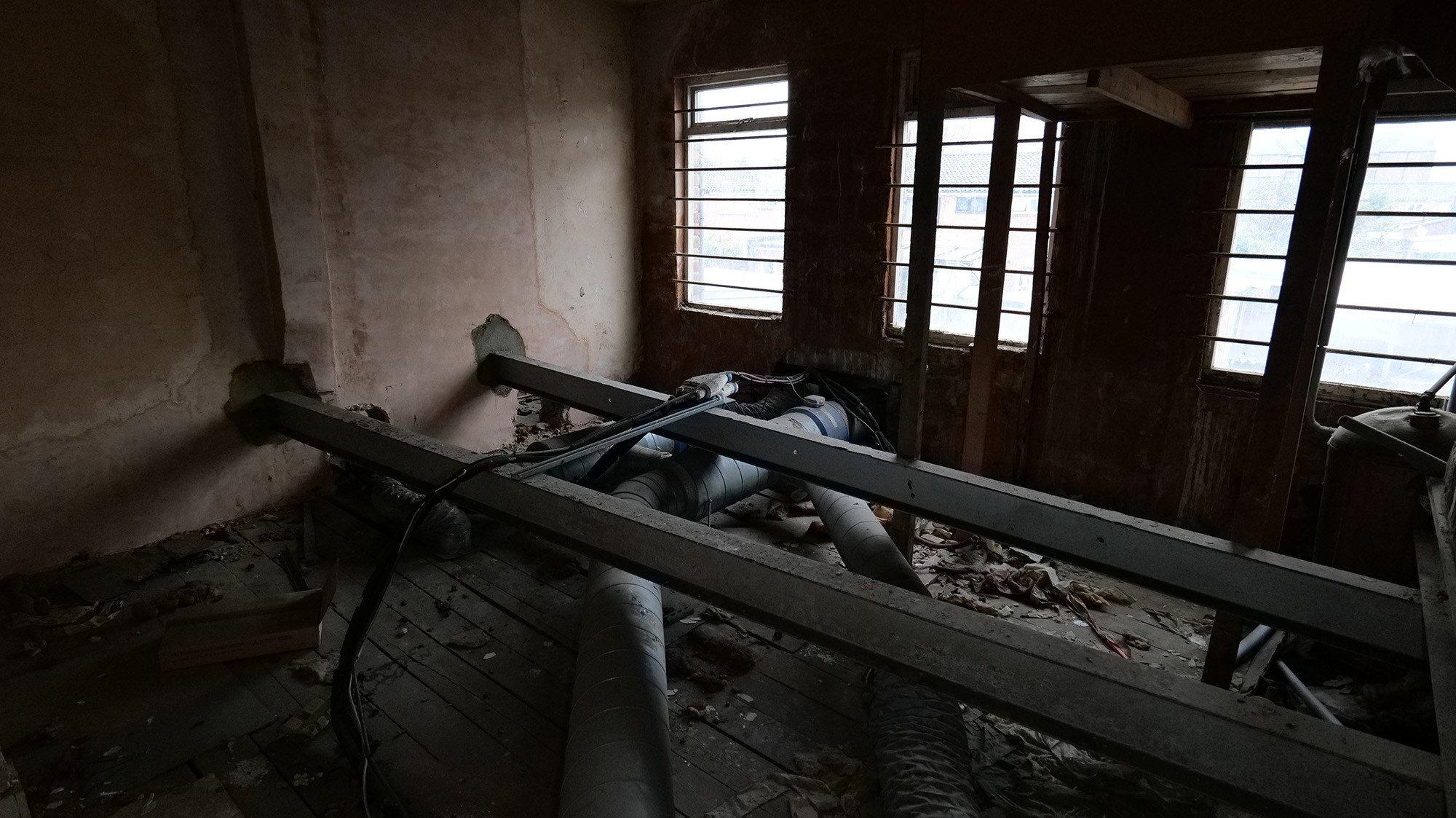
Refurbishment then adds extra disruption. Contractors may remove ceilings, lift flooring, cut access panels, expose pipework, open service risers and leave external doors open for deliveries. None of those actions are wrong in themselves, but they do change the pest risk profile of the building.
That is why pest checks should sit alongside the wider refurbishment plan, just like access, waste, welfare, fire safety and building services.
The HSE’s health and safety in construction guidance highlights the importance of planning, organising, controlling and monitoring health and safety throughout a construction project, which is exactly the mindset needed when pest risks could affect workers, building users or the programme.
The Main Reasons Empty Offices Attract Pests
1. Food and Waste Are Often Left Behind
This is one of the most common causes. Even when an office is “empty”, it may not be properly cleared.
Old snacks in drawers, forgotten food in kitchen cupboards, bins that have not been fully emptied, vending machine waste, packaging and residue around staff tea points can all create a food source. It does not take much. A small amount of food waste in a quiet building can attract rodents, flies, ants or cockroaches depending on the setting.
This is especially important if the office includes a kitchenette, café, canteen or hospitality area. The Food Standards Agency states that food premises must be kept clean, maintained and in good condition, with protection against contamination and pest control built into the way premises are managed. It also notes that food waste should be removed quickly to avoid attracting pests. See the Food Standards Agency guidance on setting up food business premises for further reference.
For commercial kitchens, cafés and staff tea points, a pre-refurbishment clean-down is not just good practice. It can prevent a pest issue from being built into the project from day one.
2. Open Doors and Temporary Access Routes Create Easy Entry
Refurbishment projects need access. Materials come in, waste goes out and trades move through the site throughout the day.
That often means fire exits, loading doors, roof access points or rear entrances are open for longer than usual. If the building backs onto bin stores, service yards, alleys, car parks or landscaped areas, pests may only need a short window to enter.
This is where site discipline matters. Doors should not be left open longer than necessary. Temporary screens, door brushes, secure storage and clear waste routes can all reduce risk.
It is not about slowing the project down. It is about making sure access is controlled properly.
3. Refurbishment Exposes Hidden Voids and Service Routes
Offices are full of hidden spaces. Ceiling voids, risers, plant rooms, service cupboards, raised floors and boxed-in pipework can all provide routes for pests.
During refurbishment, these areas often get opened up for electrical works, HVAC changes, plumbing adjustments or fit-out alterations. Once exposed, they may reveal old gaps, debris, nesting material or signs of rodent movement.
The issue is that these voids connect different parts of the building. A gap around pipework in one room may link to a riser, a ceiling void or another unit entirely. In multi-let buildings, managed blocks and mixed-use developments, that makes the source harder to identify.
For office projects involving ventilation, plant areas or ceiling voids, it is worth coordinating checks with commercial HVAC and ventilation works.
4. Pipes, Drains and Service Gaps Are Easy to Miss
Rodents do not need a doorway. They use weak points.
Common problem areas include:
gaps around pipe penetrations
uncapped or poorly capped redundant services
damaged air bricks or vents
gaps behind boxing
breaks around drainage runs
poorly sealed risers
damaged external brickwork or pointing
service holes left after old installations are removed
The British Pest Control Association explains that pest proofing should be approached properly and that the timing of proofing depends on the site and survey findings. In other words, proofing is not just a quick filler job at the end. It needs to be assessed properly and done with the right materials. See the BPCA pest proofing guidance.
Drainage can also be a major route. BPCA has also highlighted how rodent issues can be linked to defective drains, dry lines not capped correctly or drainage altered for utilities. Their guidance on drainage inspections for rodents is a useful reference when a problem keeps returning despite surface-level treatment.
5. Quiet Buildings Allow Pest Activity to Go Unnoticed
A live office has movement, cleaning, security checks and staff reporting issues. An empty office may only be visited by contractors, surveyors or security staff.
That means pest activity can build quietly.
Rodents may travel through ceiling voids at night. Birds may settle around rooflines, gutters or signage. Insects may gather around waste areas, damp zones or unused kitchens. Wasps may start nesting in loft spaces, roof voids or plant areas during warmer months.
By the time someone notices, the issue can already affect the works.
This is why periodic site checks should continue even when no one is occupying the office. A weekly walkaround can make a big difference, especially before ceilings are closed, decorations start or final cleaning begins.
Related reading: signs of rodents before a kitchen or office refurbishment starts
What Facilities Teams Should Check Before Work Starts
A pre-start pest check does not need to overcomplicate the project. It just needs to be practical.
Before refurbishment begins, check:
kitchen cupboards, tea points and vending areas
waste rooms, bin stores and loading bays
drains, inspection chambers and service routes
ceiling voids where accessible
plant rooms and risers
roof areas, gutters and signage
gaps around pipes, ducts and cables
external doors, door brushes and thresholds
damaged vents, air bricks and louvres
old pest control records or previous callouts
If there is already evidence of pests, do not wait until the strip-out. Get the issue investigated early so the project team can understand whether it is a surface issue, a drainage issue, a proofing issue or a wider building management issue.
Barry Turner and Son Ltd’s work across commercial refurbishment and office upgrades means these checks can be considered alongside the wider site condition, access planning and building fabric works. For examples of office project delivery, see the Aylesbury office refurbishment project and the Heathrow office refurbishment project.
What to Control During the Refurbishment
Once work starts, pest prevention becomes a site management issue.
The main points to control are:
keep waste covered and removed regularly
avoid leaving food waste on site overnight
keep welfare areas clean
store materials away from walls where possible
avoid blocking access to inspection points
report droppings, smells or gnaw marks immediately
protect open doors and loading areas
seal redundant service holes as soon as practical
inspect voids before they are closed
keep communication clear between site managers, facilities teams and contractors
The HSE’s workplace facilities guidance states that workplaces should have suitable welfare facilities, a healthy working environment and appropriate waste containers. On refurbishment projects, welfare and cleanliness are not just comfort issues. They also affect pest risk, hygiene and site standards. See the HSE workplace facilities guidance.
Internal link opportunity: workplace facilities management explained
What to Check Before Handover
Pest problems often appear after the building looks finished.
Why? Because the visible refurbishment may be complete, but hidden gaps remain. Service penetrations may not be fully sealed. Drains may not have been checked. Food waste may have been left during final works. Ceiling voids may have been closed before anyone checked them.
Before handover, facilities teams should ask:
Have all redundant service holes been sealed?
Have risers and ceiling voids been checked before closure?
Are kitchen and tea point areas fully cleaned?
Are external doors closing properly?
Are vents, louvres and air bricks protected where needed?
Are drains, gullies and inspection chambers in good condition?
Has the bin store been cleaned and reset?
Has any pest activity been recorded during the works?
Does the landlord, tenant or managing agent know who is responsible for ongoing checks?
This is especially important where the office will reopen quickly, where a new tenant is moving in or where the space includes food preparation, hospitality or shared staff facilities.
For broader refurbishment planning, see pest control during renovation and commercial refurbishment guidance.
Why This Matters for Larger Commercial Projects
On a small job, a pest issue may be frustrating. On a larger office or commercial refurbishment, it can become a programme problem.
Pests can delay ceiling closures, prevent kitchen handover, affect hygiene standards, disrupt staff return dates and create avoidable concern for landlords or tenants. They can also expose weaknesses in drainage, roofing, waste management or building fabric that should have been addressed earlier.
That is why pest prevention should not sit separately from the refurbishment. It should be part of the same conversation as access, strip-out, M&E, drainage, roofing, waste and final handover.
Where rooflines, plant areas or gutters are involved, pest risk may also overlap with building fabric and bird activity, making commercial roofing services and drone survey reports useful for identifying difficult-to-see areas before works progress too far.
Final Thoughts
Empty offices get pest problems during refurbishment because the building is changing and no one is using it in the normal way.
Food waste gets missed. Doors stay open. Hidden voids are exposed. Drains and service gaps are disturbed. Quiet areas stop being monitored. If these issues are not checked early, pests can become a problem just when the project should be moving towards completion.
The best approach is simple: inspect early, manage waste properly, control access, check hidden routes and seal gaps before the building is handed back.
Planning a commercial refurbishment or office upgrade? Speak to Barry Turner and Son Ltd about practical project support, building works and site checks through commercial services or request a free quotation.
Why do pests appear when an office is empty?
Should pest control be arranged before an office refurbishment?
What are the most common pest risks in empty offices?
Can refurbishment work cause a pest problem?
What should be checked before ceilings and walls are closed?
Are drains a common source of rodent problems?
Who is responsible for pest prevention during refurbishment?
What should be included in a pest prevention handover check?
BARRY TURNER & SON
Other News
01